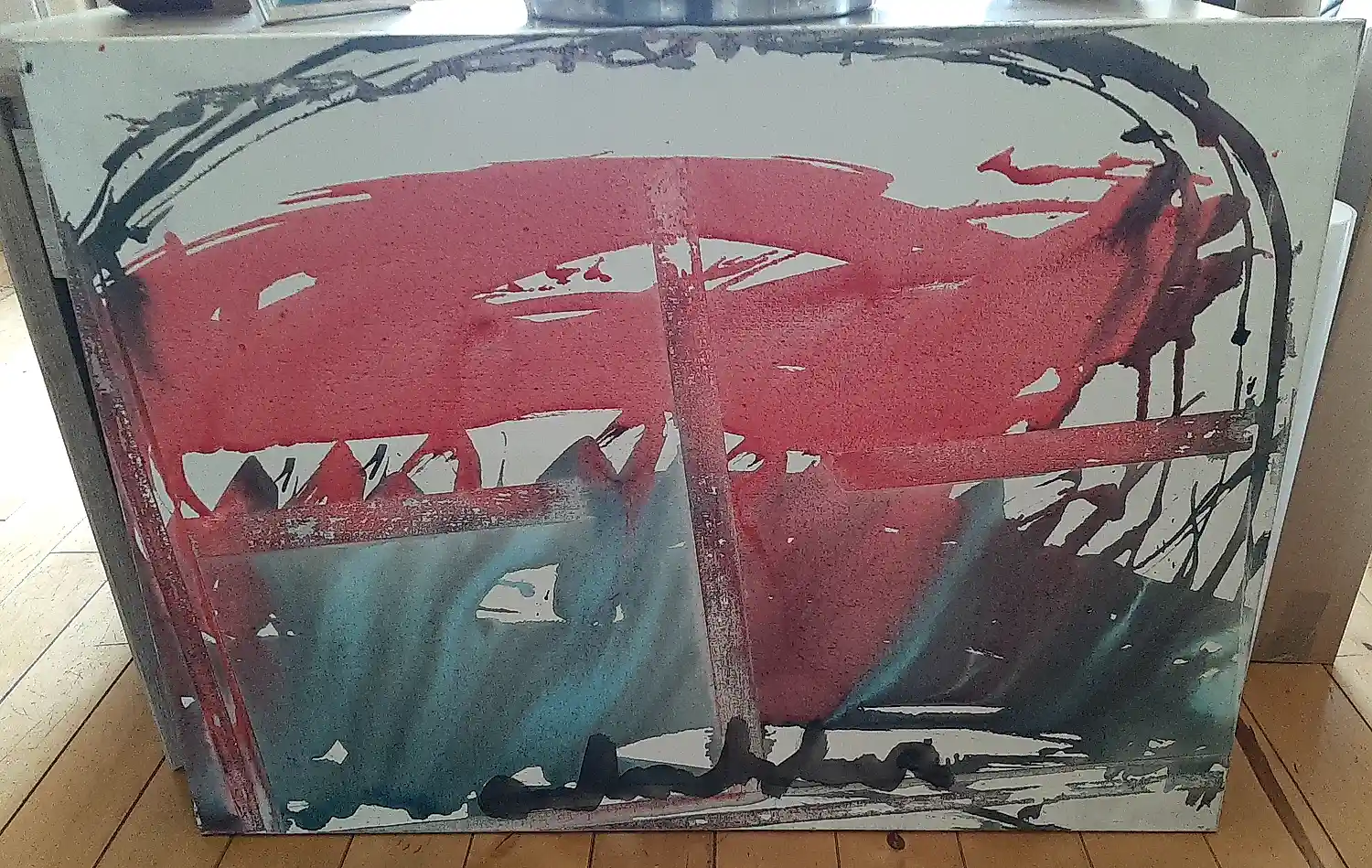
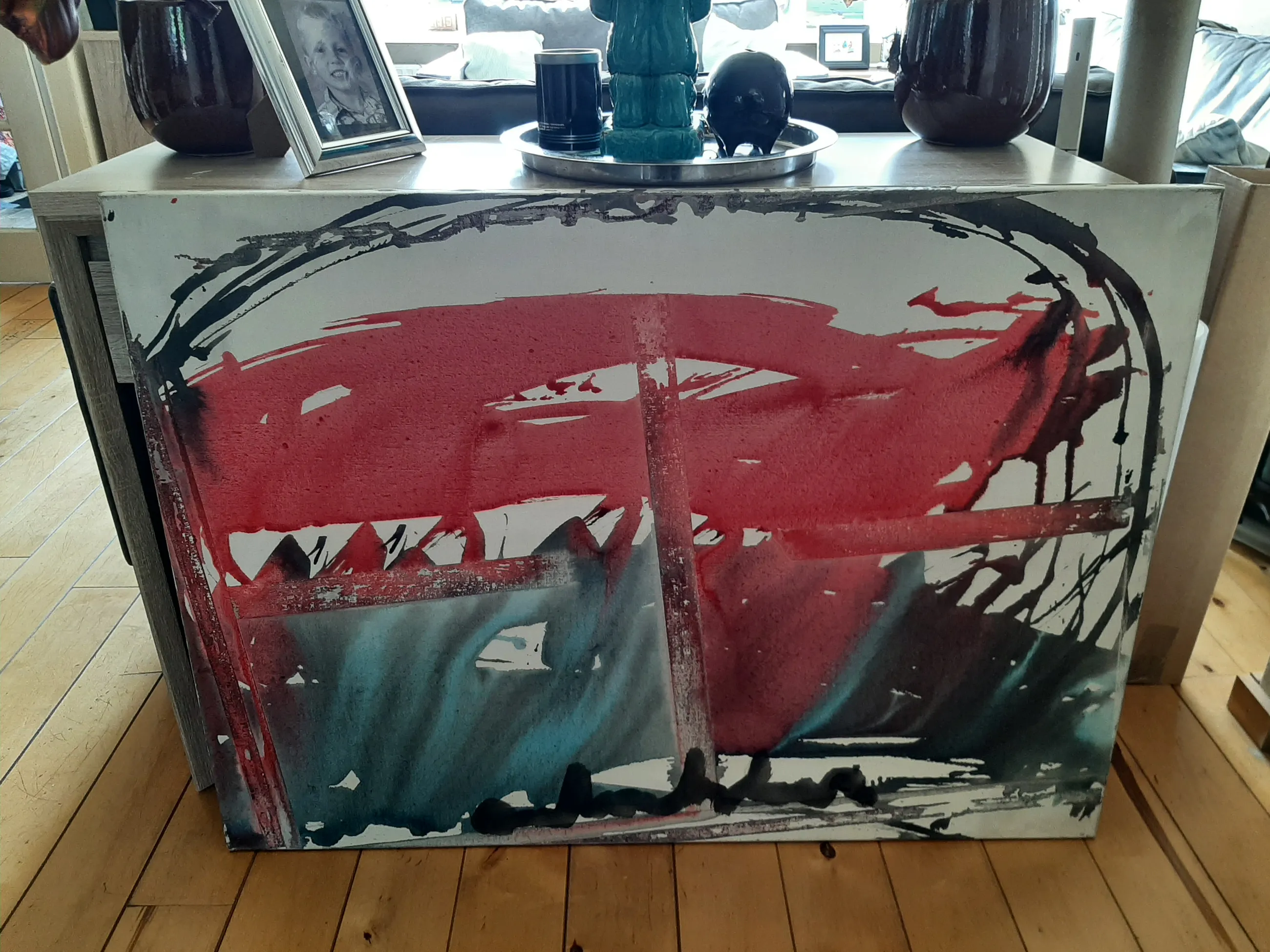
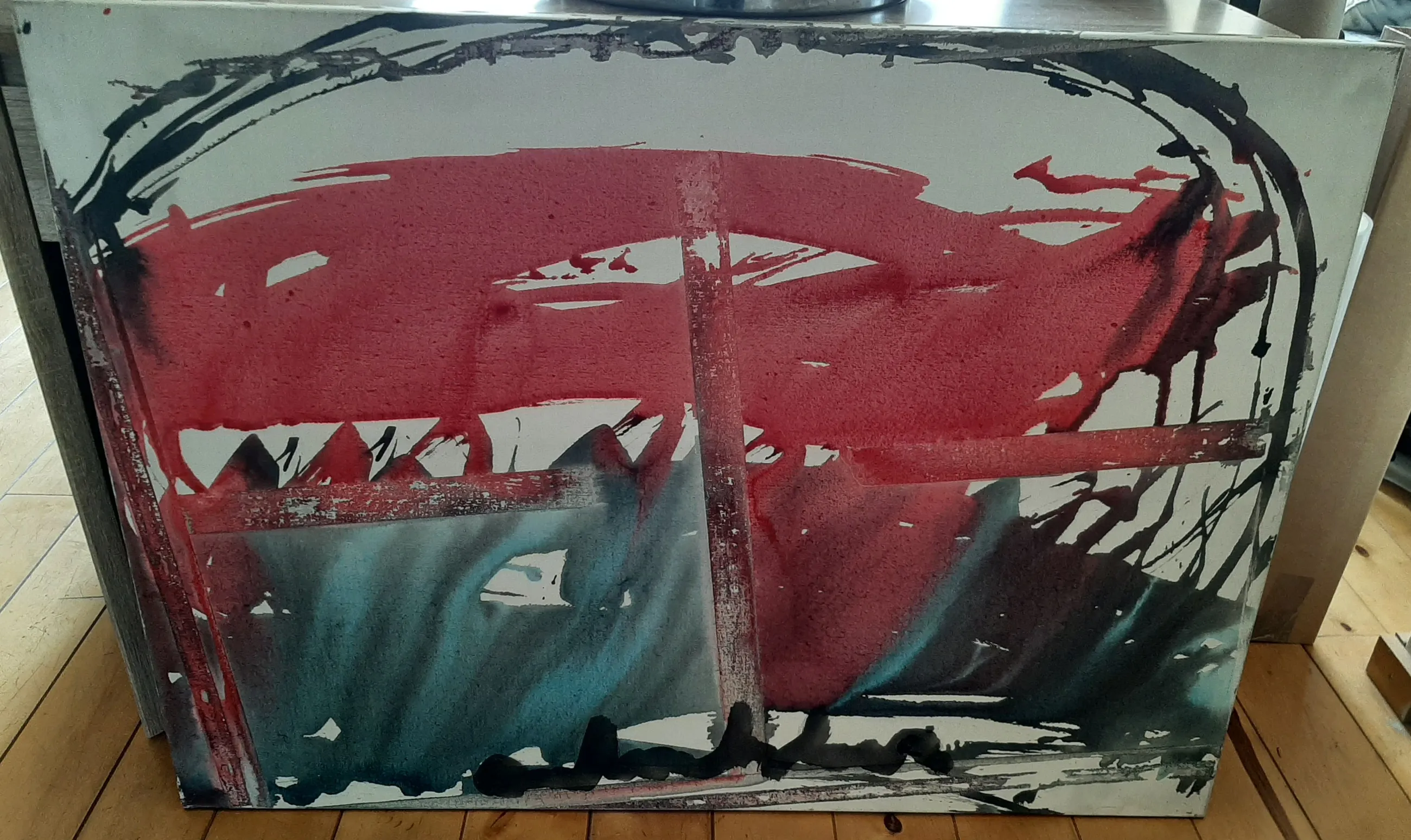
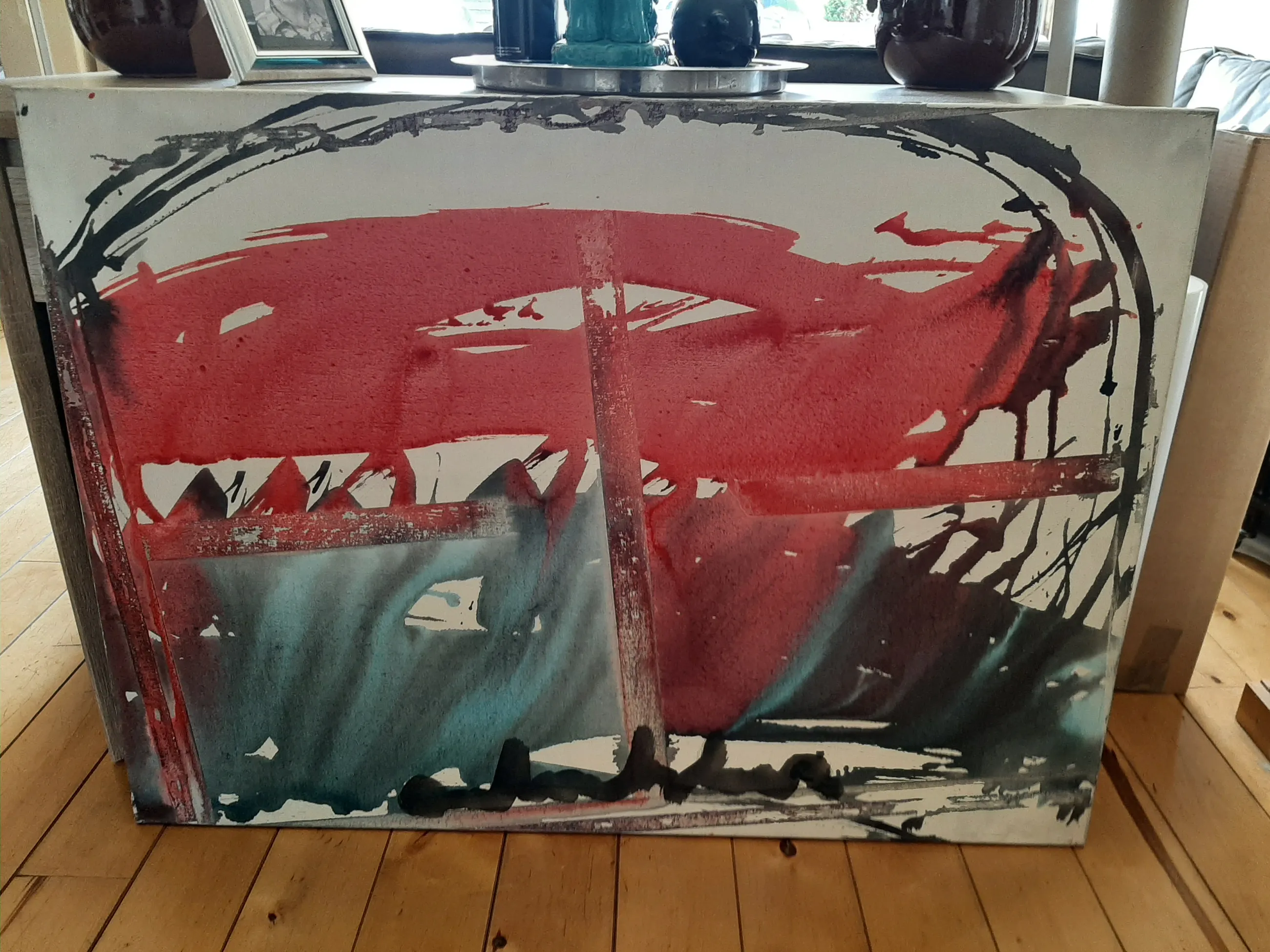
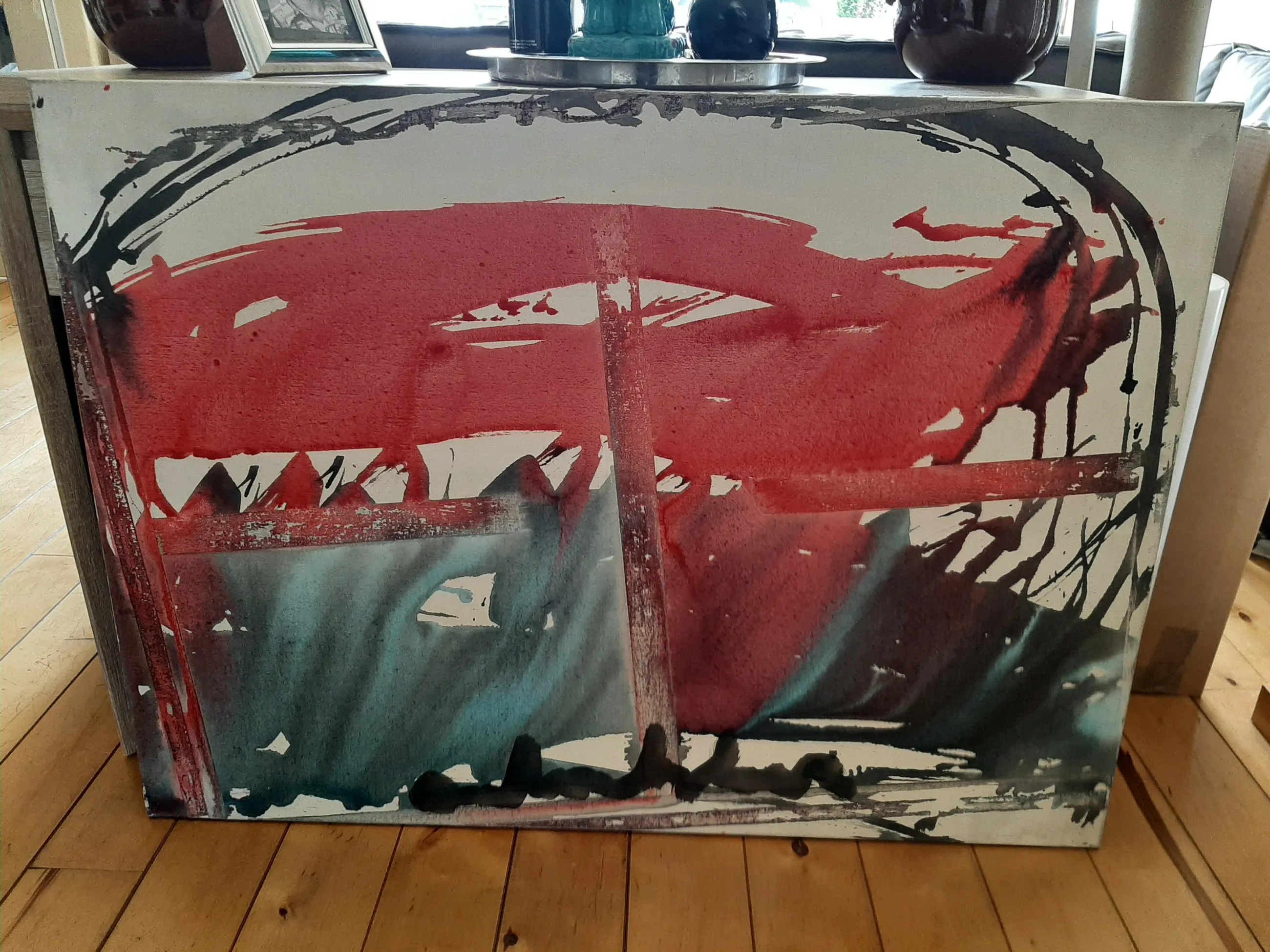
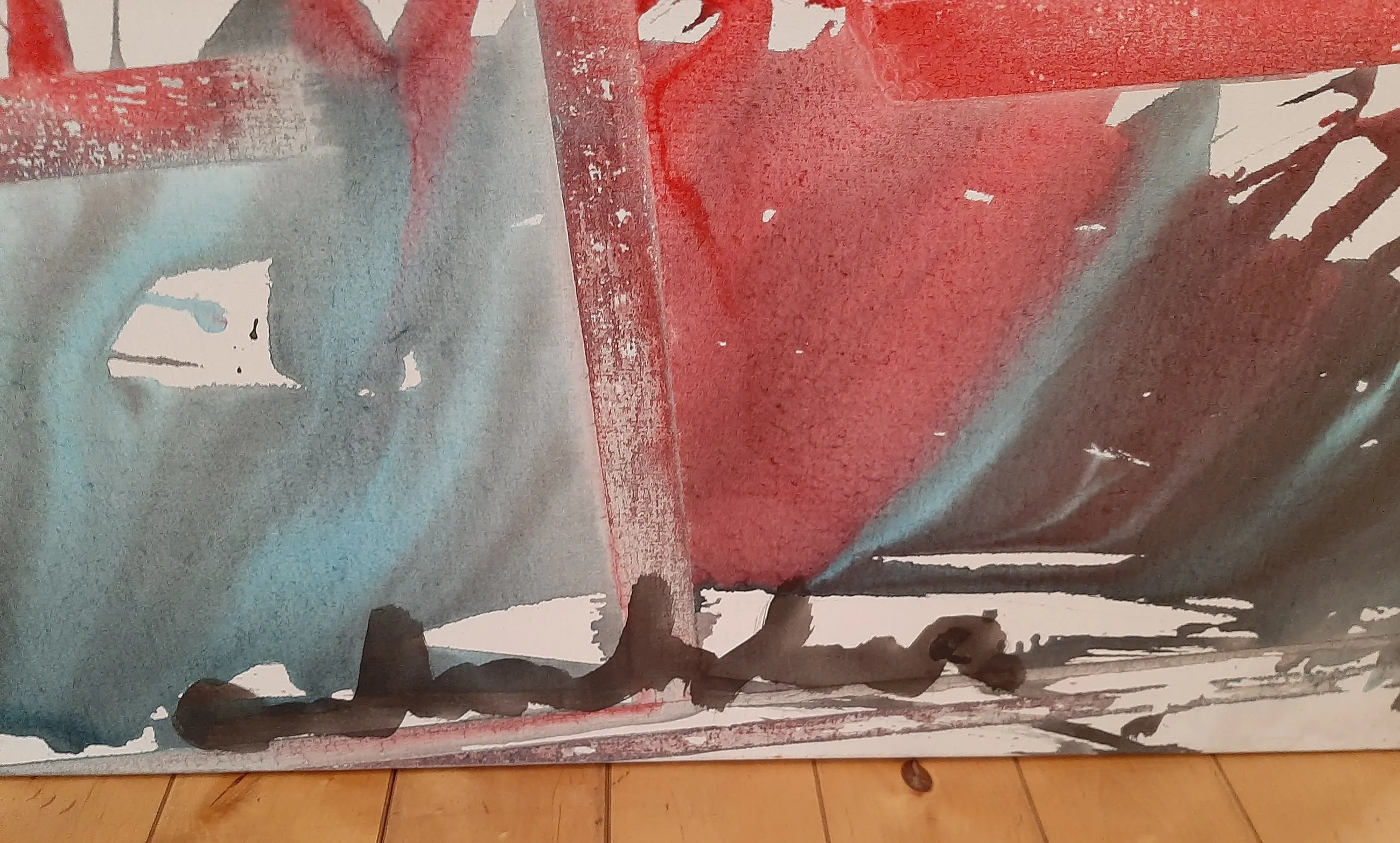
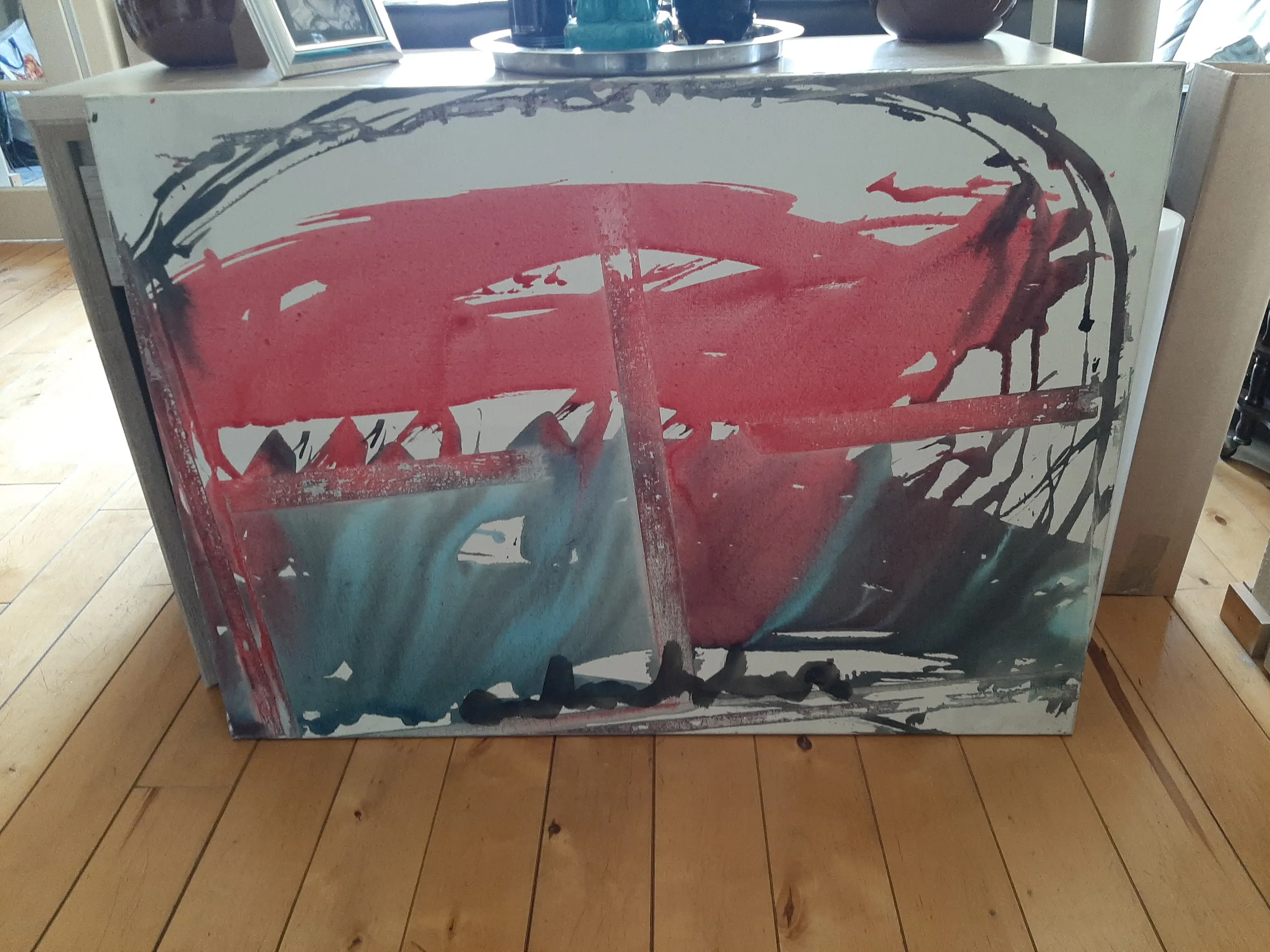
Anton Heyboer - Acrylic on canvas, Title The Vinkevener.

Starting bid €150
Buyer's premium : 15%
| Pick up | Yes, possible |
| Location | Bussum of Alkmaar, The Netherlands |
Auction details
| Start time | 6-10-2026 at 15:10 |
| End time | 17-10-2026 at 19:13 |
Please note: if a bid is made in the last 5 minutes, the auction will be extended by 5 minutes.
F
Francisca2 The Netherlands
2015 | |
6 sold | 1 follower |
- Description
- Anton Heyboer (1924-2005)
| Type of artwork | Painting |
| Period | 1945 to 1999 |
| Technique | Acrylic |
| Support | Canvas |
| Style | Abstract |
| Subject | Abstract |
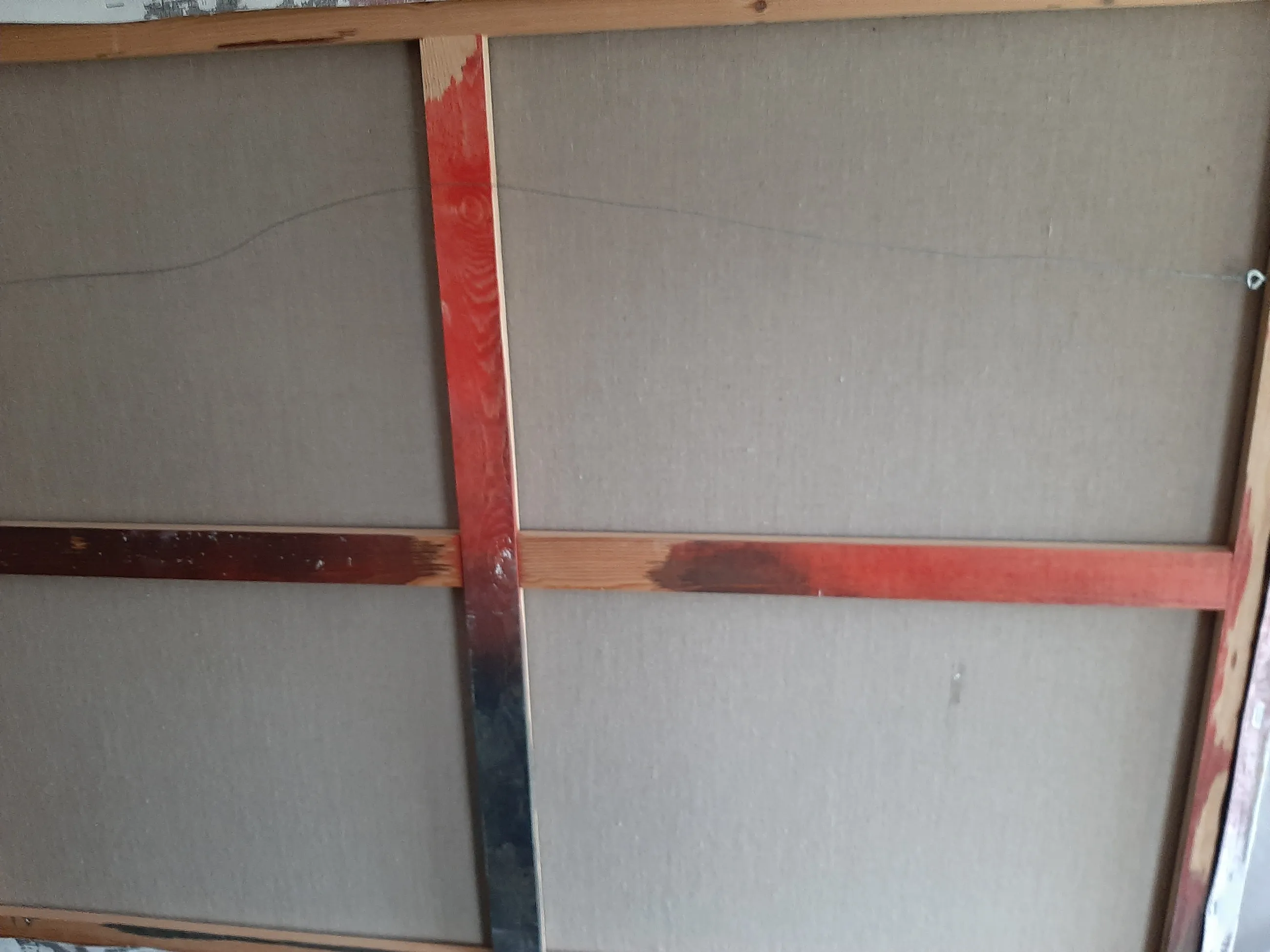
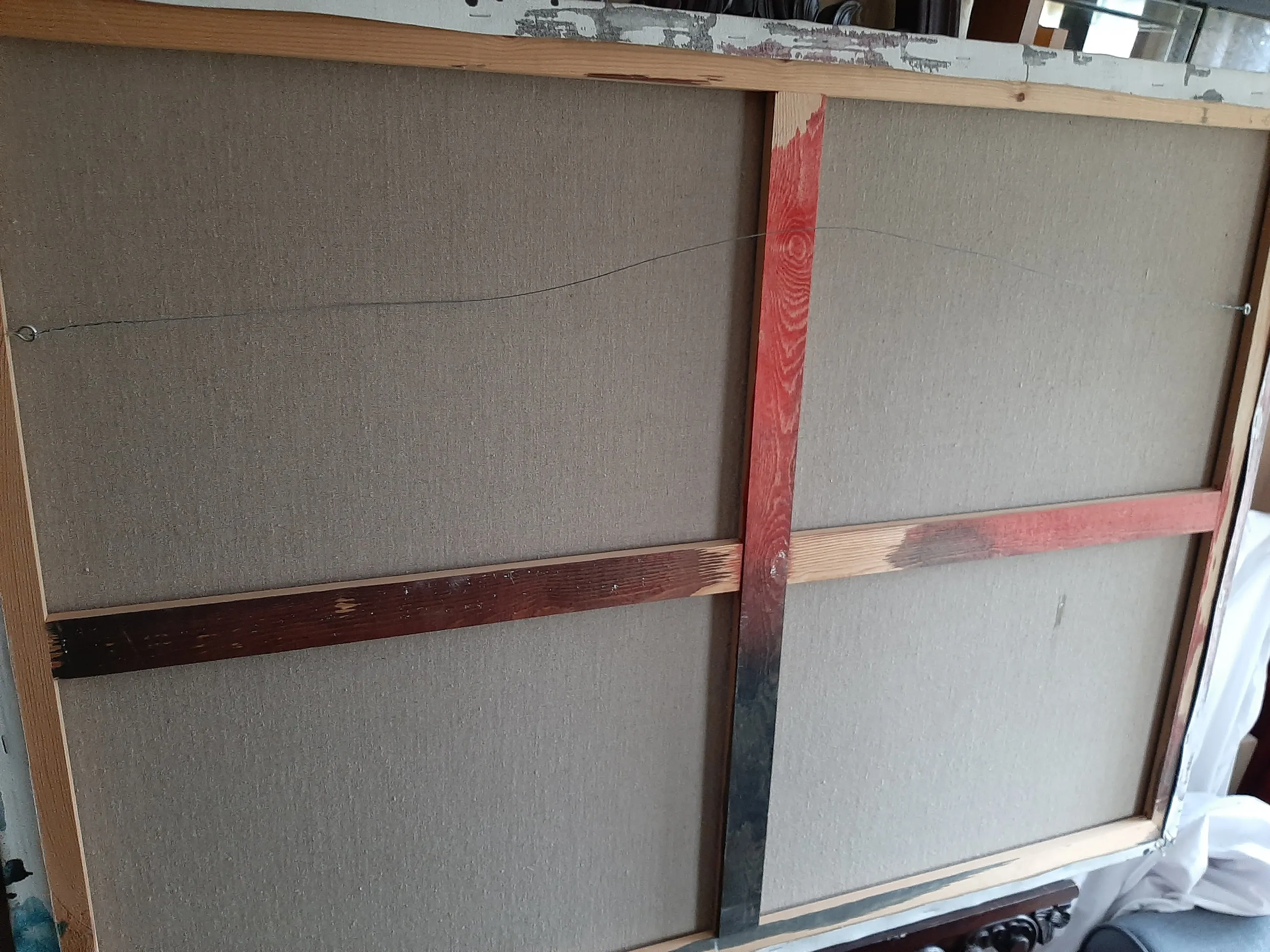
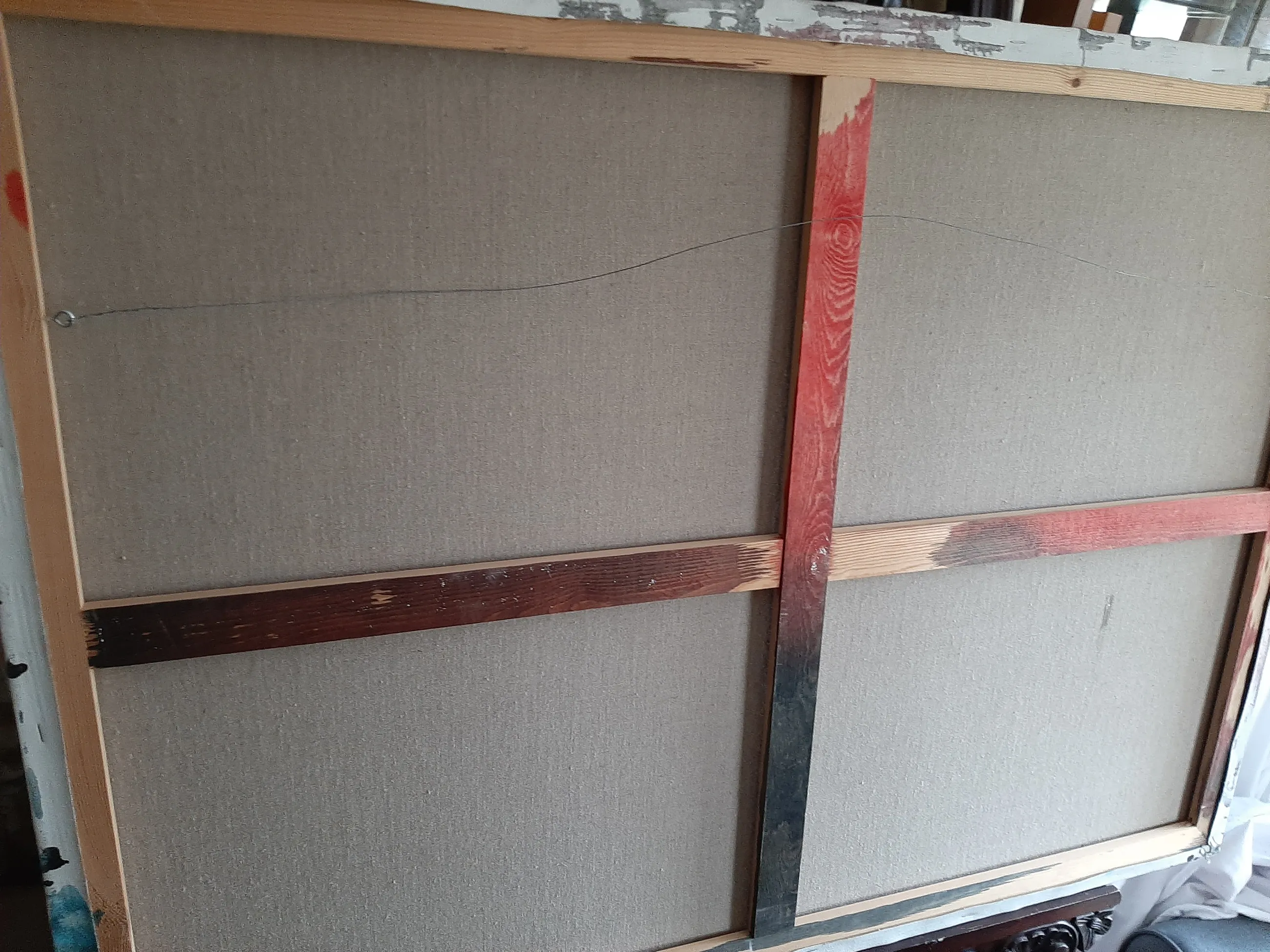
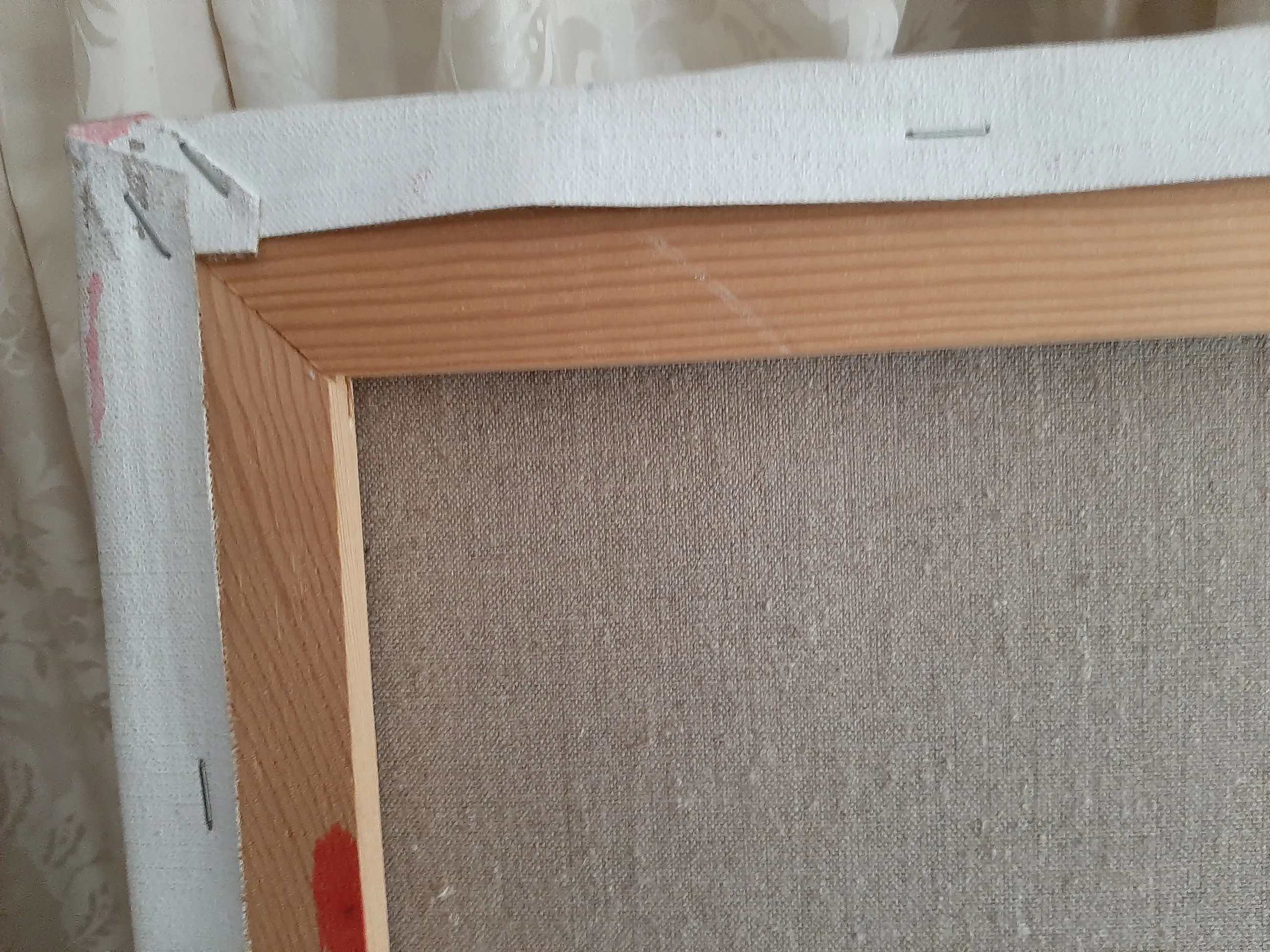
| Framed | On stretcher |
| Dimensions | 80 x 110 cm (h x w) |
| Signed | Hand signed |
Translated with Google Translate. Original text show .
Anton Heyboer (1924-2005) Acrylic on canvas Signed bottom center. Anton Heyboer (Sabang, February 9, 1924 – Den Ilp, April 9, 2005) was a Dutch painter and etcher. He lived with four women in a commune in Den Ilp (Landsmeer). The "fifth" woman was his art saleswoman across the street. Heyboer was born in Sabang, on the Indonesian island of Pulau Weh (north of Sumatra), the son of a mechanical engineer. Five months later, the family moved to Haarlem, in 1925 to Delft, in 1929 to Voorburg, and from 1933 to 1938 the family lived on Curaçao. This was followed by a stay in New York. Heyboer was trained as a mechanical engineer. The family returned to Haarlem before the outbreak of the Second World War. In 1943, Heyboer was arrested by the Germans as part of the Arbeitseinsatz and transferred to a transit camp for foreign forced labourers in Prenzlauer Berg (Berlin). He managed to escape and, traumatized, fled to the Netherlands, where he performed agricultural work in Vinkeveen. After the Second World War, he settled in Borger and held his first exhibition in Drouwen in 1946. In that same year, he moved to Haarlem and met his future wife, Elsa (Puk) Wijnands. After a trip of several months with Jan Kagie through Southern France in 1948, he returned to Haarlem and married Elsa Wijnands, with whom he would have a son two years later[1], but who decided to divorce him as early as 1953. In 1951, Heyboer was admitted to the Santpoort psychiatric hospital in Bloemendaal for a short time due to war trauma. In September 1956, Heyboer married Erna Kramer, with whom he would stay for seven years and have one daughter. In 1961, he settled on a farm in Den Ilp. He initially lived there with three, and later with five women. Heyboer drew, painted, and etched. His wives took care of the sales.
| Condition | |||||
| Condition | Good | ||||
| In good condition | |||||
| Shipment | |||||
| Pick up | The work can be picked up on location. As a buyer you must bring your own packaging materials. The location is: Bussum of alkmaar, The Netherlands | ||||
| Shipment | Parcel post | ||||
| Price | > 10KG or bigger than 1.00 x 0.50 meter
| ||||
| Guarantee | |||||
| Guarantee | By putting the item up for auction, I agree with the Terms of Guarantee as they are applicable at Kunstveiling regarding the accuracy of the description of the item | ||||
| Consumer law | This seller has indicated that they are a private seller. Therefore, consumer law does not apply. Read more | ||||
The seller takes full responsibility for this item. Kunstveiling only provides the platform to facilitate this transaction, which has to be settled directly with the seller. More information .
Anton Heyboer (1924-2005)
 Dutch
Dutch F
Francisca2 The Netherlands
2015 | |
6 sold | 1 follower |
110 cm
80 cm