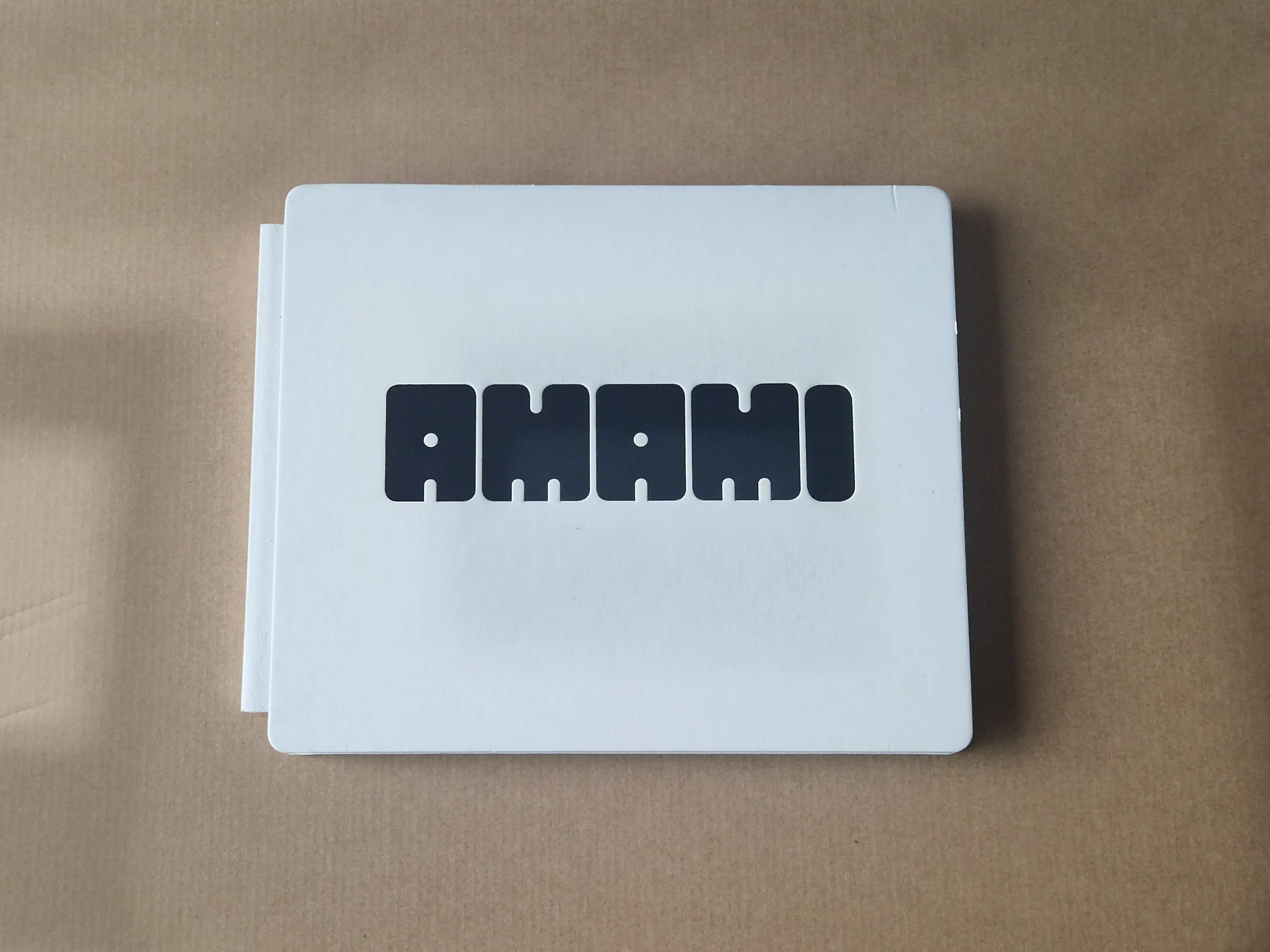
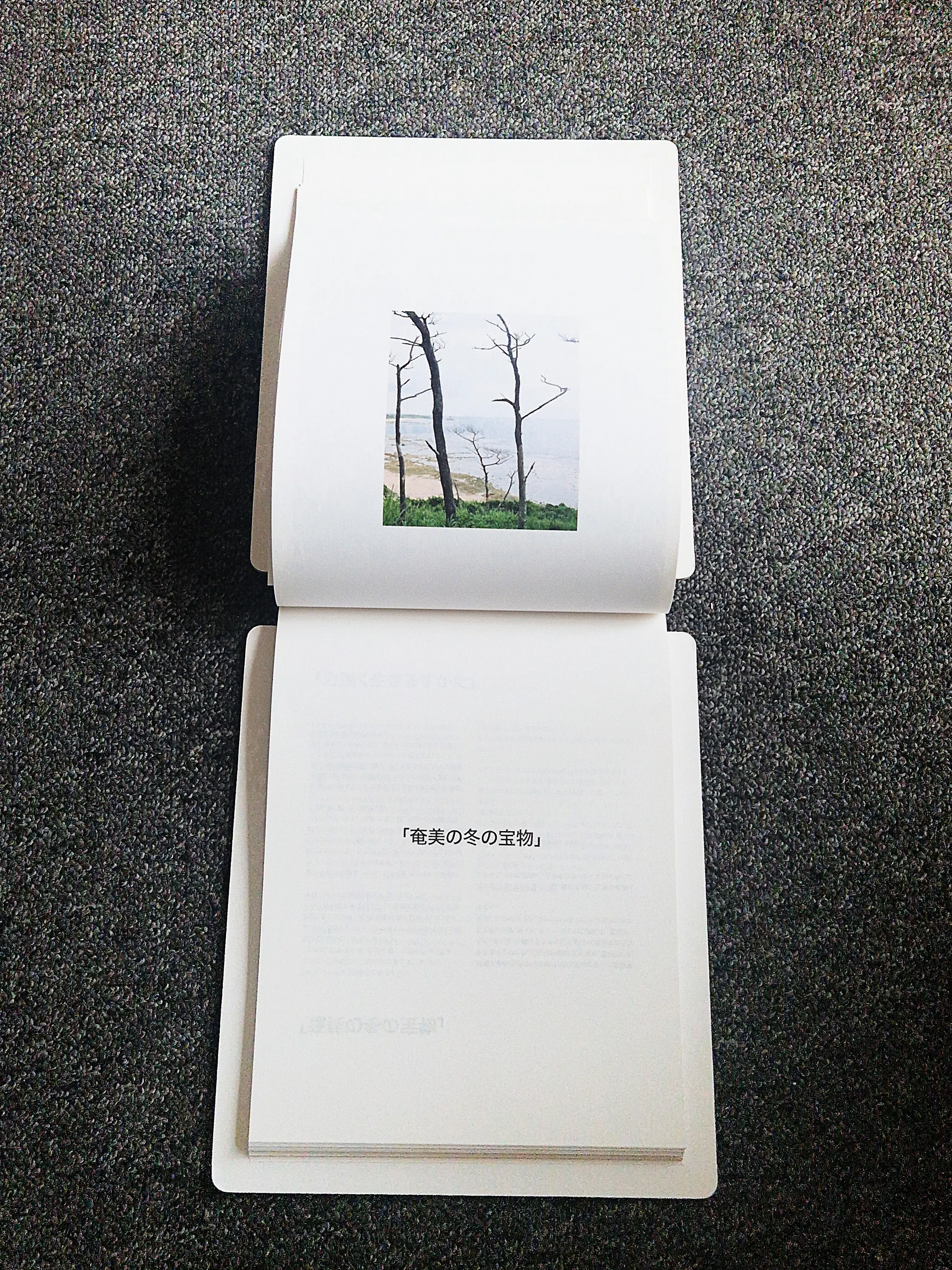
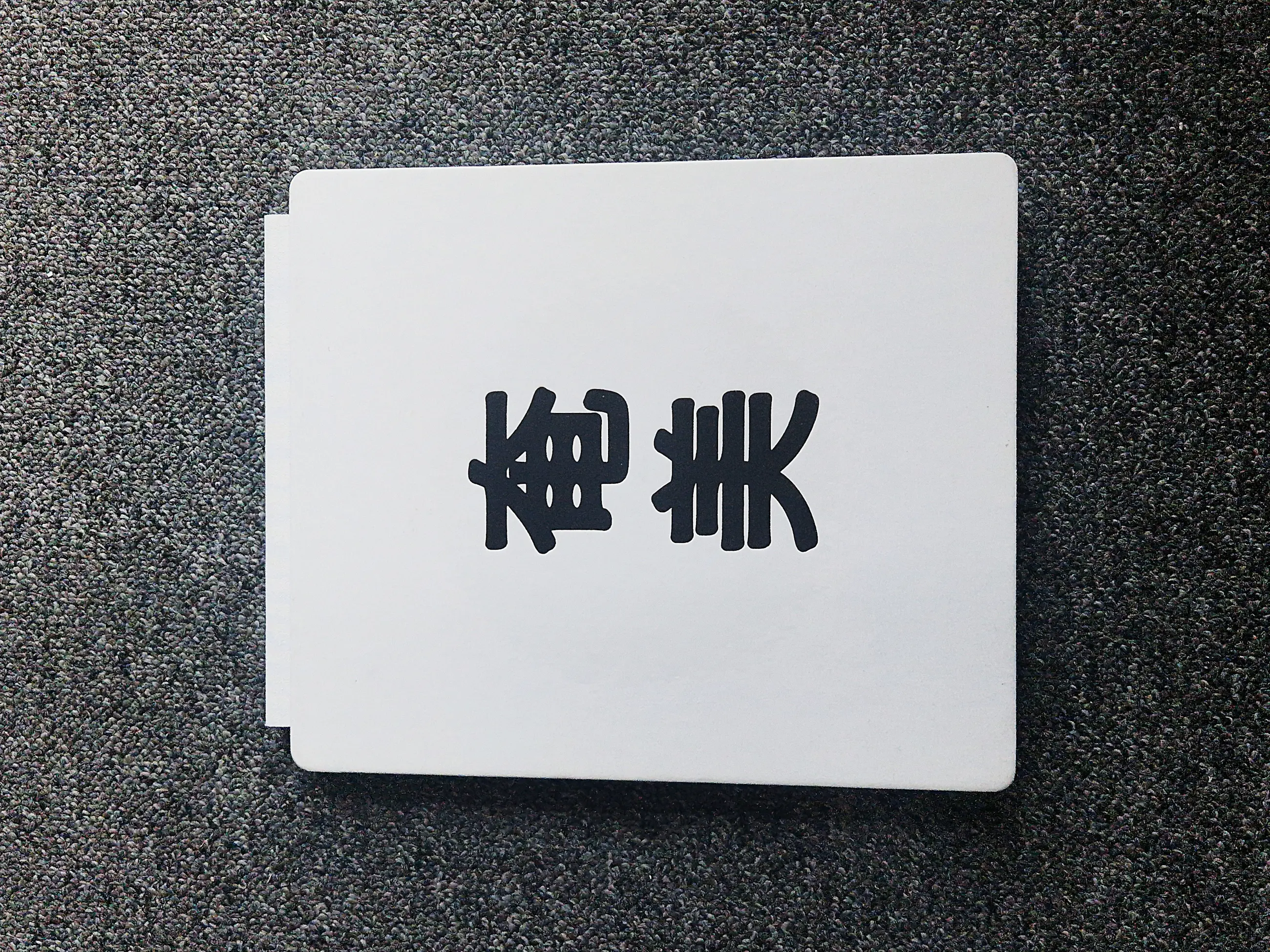
Cuny Janssen - JAPAN photobook published at her exhibition at Museum de Pont Tilburg 2010
Auction details
| Start time | 28-4-2026 at 18:43 |
| End time | 3-5-2026 at 17:04 |
Starting bid €38
Buyer's premium : 15%
Missed the auction? The item may still be available. You can make one single bid in the aftersale.
| Pick up | Yes, possible |
| Location | Purmerend, The Netherlands |
A
Artpointamsterdam The Netherlands
2013 | |
5221 sold | 171 followers |
- Description
- Cuny Janssen (1975)
| Type of artwork | Art Books |
| Year | 2010 |
| Technique | Hardcover |
| Subject | Other |
| Dimensions | 22 x 27 cm (h x w) |
| Pages | 46 |
Translated with Google Translate. Original text show .
- Hardcover
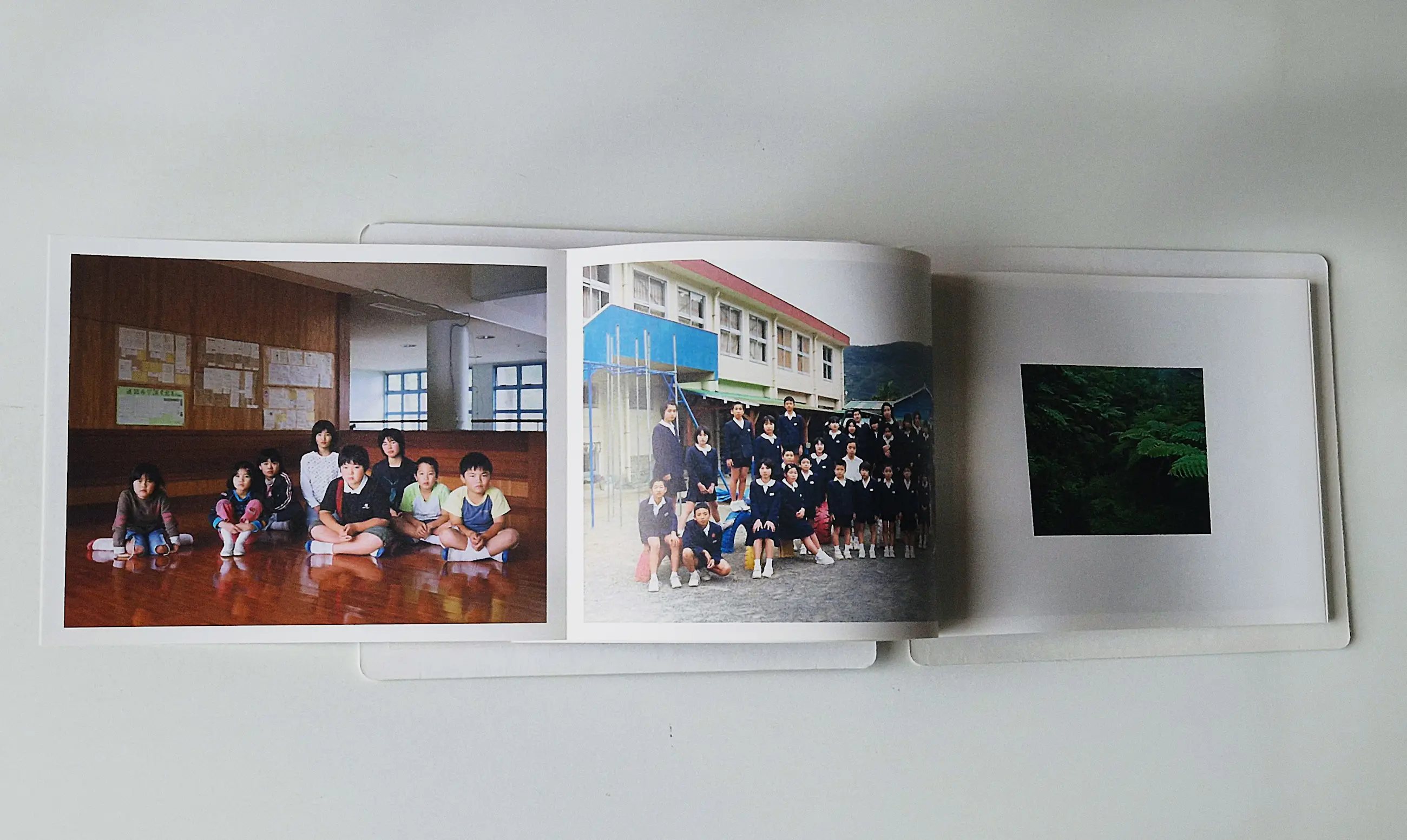
- 102 color reproductions
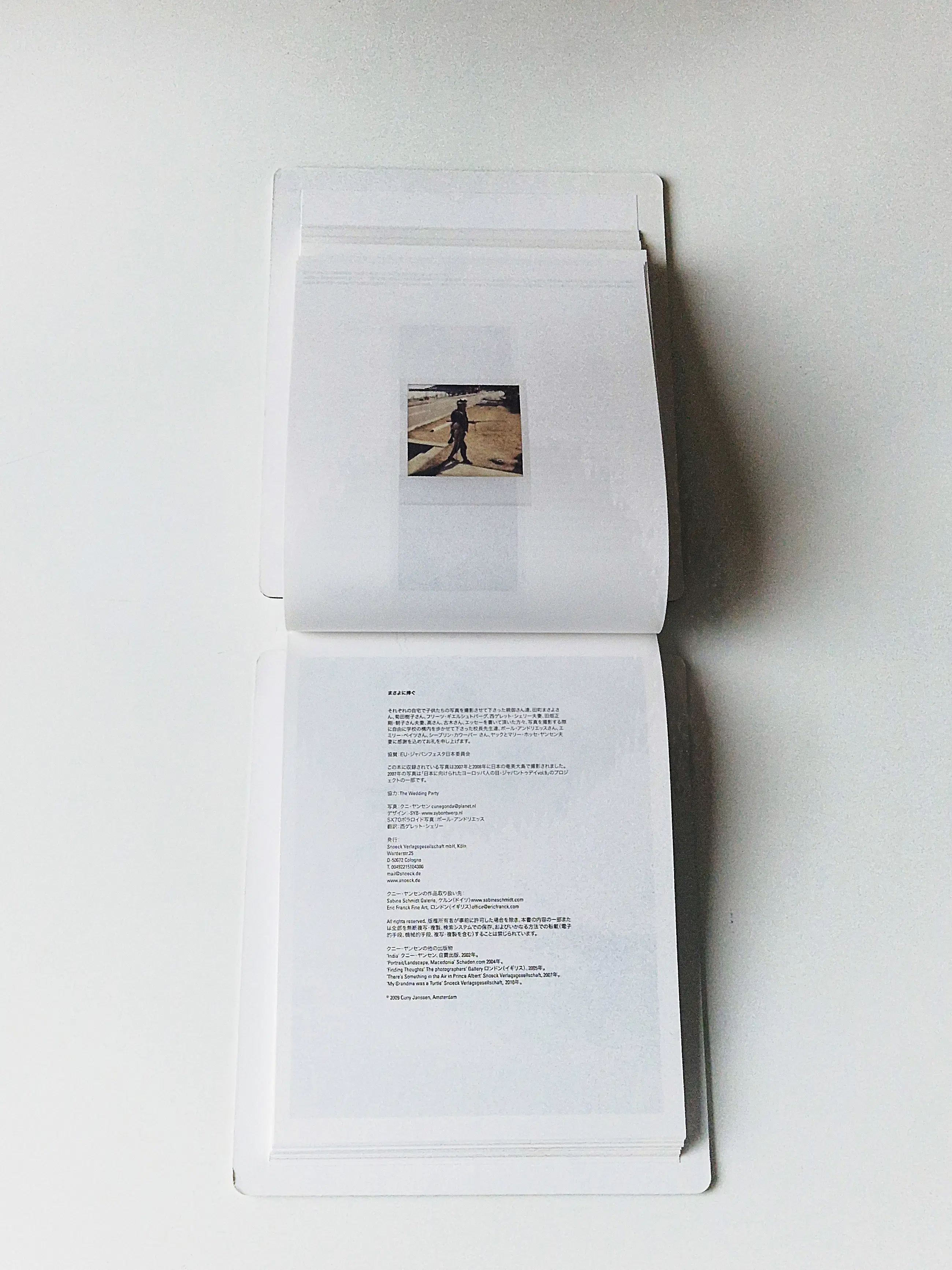
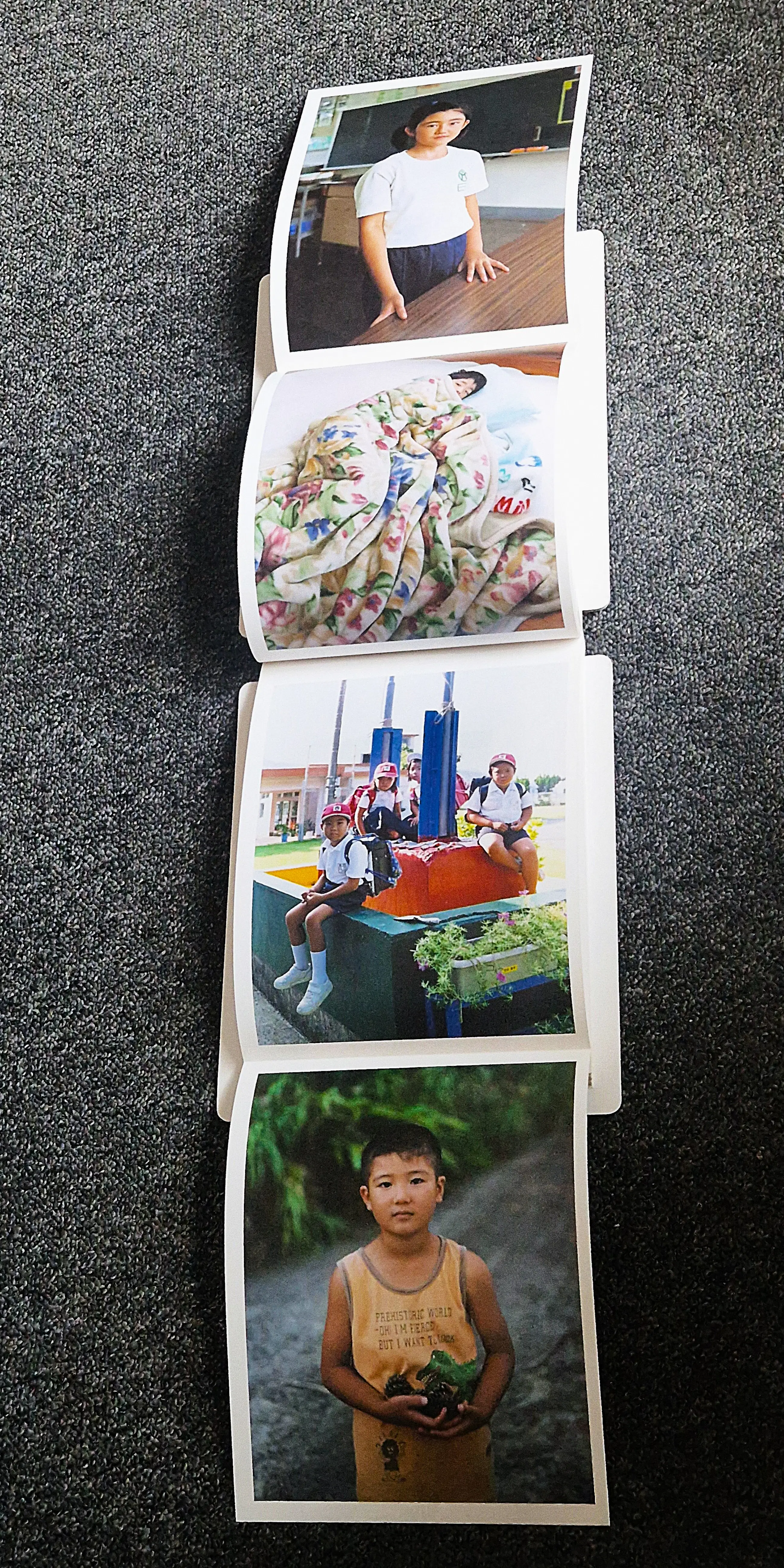
- 46 pages, 18 fold-out pages
- 22 cm x 27 cm x 1.8 cm
- All photos were taken on the island of Amami, Japan in 2007 and 2008.
- Published in conjunction with the exhibition: Cuny Janssen: Amami at De Pont, Museum of Contemporary Art in Tilburg, 20 March - 16 May 2010
Amami-Oshima is an island at the southernmost tip of Japan. At the invitation of a Japanese organization, photographer Cuny Janssen (Nijmegen, 1975) traveled there in 2007 to capture the children, the landscape, and the nature of this subtropical island. During a second stay in 2008, she completed the project. The result is now being presented in the project room of De Pont and in a photobook to be published simultaneously with the exhibition.
Cuny Janssens' approach to photography can be characterized as documentary. Her photos lack any form of image manipulation or deliberate staging. She uses natural light to frame her subjects centrally and frontally. The fact that her photos transcend mere recording is due to the immense precision with which she photographs. The meticulousness in composition, framing, and lighting ensures that the 'accidental' nature of reality loses its arbitrary character. This concentration lends her photographic works an intense yet serene beauty.
In the exhibition, portraits of children alternate with images of the island of Amami. Some take on the character of nature studies. Some ferns and blades of grass, the soft moss on a tree trunk, or an unfolding fern leaf stand out sharply and radiantly against the dark green of the dense vegetation. No detail escapes attention. Due to the proximity, the structure of the vegetation becomes almost tangible. In other landscapes, the sea and the mangrove form defining elements. The water reflects the surroundings and the sky, creating light and space.
In the portraits, there is a similar contrast between the more formal group portraits and the intimate portraits of individual children. In those portraits, yet another quality emerges that transcends the documentary. Although Cuny Janssen photographs the children in their own environment—at the table, in their room, on the veranda, in the classroom, or in the schoolyard—the action is absent. The children look into the lens uninhibitedly and sometimes almost searchingly. This is not a matter of a fleeting, stolen moment, but of a mutual connection in which time seems to stand still for a moment.
Children have been the main theme in Cuny Janssen's work for about ten years. After graduating from the Utrecht School of Arts in 2000, she traveled to India (2000/01) to photograph children from various social strata. This was followed, in addition to the two trips to Japan, by stays in Macedonia (2003), Iran (2004), South Africa (2005), and Oklahoma (2008). The individual photo series are part of a large research project in which Cuny Janssen aims to compare children's portraits from all over the world.
Since 2003, she has often combined these portraits with landscapes. On Amami, these are the rocky coasts and the rich vegetation of the island, but also spiritual places around Shinto shrines and locations with traces of human presence. They give the portraits depth and evoke the almost inexpressible connection between man and the area in which he is rooted.
In her attempt to penetrate to the very essence, Cuny Janssen often arrives at what children have in common. 'I am always looking for what lies on the inside of that facade, of what we know about a country or a culture,' she says in reference to her travels. 'To be there and to have a real human being in front of you, who also cries and laughs and who actually has the same feelings, but looks different and lives in a completely different situation, I find that fascinating.'
In her portraits, the uninhibitedness of a gaze and the naturalness in a posture or gesture reveal what makes a child a child, regardless of their specific origins. Similarly, in her depiction of the landscape, Cuny Janssen is not concerned with topographical highlights but with the universal forces in nature. Through her photographs, she attempts to penetrate to that vital core. Her work is an ode to life itself.
If you'd like to view the artworks we offer before the auction ends, you're welcome to visit our shop in Purmerend. Please send us a message or email in advance to schedule an appointment. After the auction, you can choose from various shipping (PostNL), delivery (Swift or our own courier), and/or pickup options (depending on the size and fragility of the item). We'll pack carefully and use sufficient material (bubble wrap/MDF boards) to minimize any damage. For multiple purchases, we'll combine shipping whenever possible to keep costs low. Pickup is possible anytime up to one month after purchase! If you need more time, that's always negotiable.
Our artworks are often loose-leaf or in the wrong frame – a professional mat or new frame can truly complete your purchase. For sound advice, a wide selection, and an excellent price-quality ratio, we've been working with the framers at Frame4U for some time now. You can have Frame4U handle the framing and mat installation yourself, or we can take care of it for you. The cost doesn't matter; the choice is yours.
Our artworks are often loose-leaf or in the wrong frame – a professional mat or new frame can truly complete your purchase. For sound advice, a wide selection, and an excellent price-quality ratio, we've been working with the framers at Frame4U for some time now. You can have Frame4U handle the framing and mat installation yourself, or we can take care of it for you. The cost doesn't matter; the choice is yours.
| Condition | |||||||||||
| Condition | Very good | ||||||||||
| Shipment | |||||||||||
| Pick up | The work can be picked up on location. As a buyer you must bring your own packaging materials. The location is: Purmerend, The Netherlands | ||||||||||
| Shipment | Parcel post | ||||||||||
| Price | Up to 2 kg.
| ||||||||||
| Guarantee | |||||||||||
| Guarantee | By putting the item up for auction, I agree with the Terms of Guarantee as they are applicable at Kunstveiling regarding the accuracy of the description of the item | ||||||||||
| Consumer law | Business seller. Consumer law applies to a business seller. Read more | ||||||||||
The seller takes full responsibility for this item. Kunstveiling only provides the platform to facilitate this transaction, which has to be settled directly with the seller. More information .
Cuny Janssen (1975)
 Dutch
Dutch A
Artpointamsterdam The Netherlands
2013 | |
5221 sold | 171 followers |
27 cm
22 cm