Eja Siepman van den Berg - Eja Siepman van den Berg - 3 publications "Oevrecatalogus 1963 - 2022"

Auction details
| Start time | 7-10-2026 at 11:05 |
| End time | 13-10-2026 at 20:03 |
Starting bid €30
Buyer's premium : 15%
Missed the auction? The item may still be available. You can make one single bid in the aftersale.
| Pick up | No, not possible |
| Pay on location | No, not possible |
| Location | Helmond, The Netherlands |
V
verschuiven2408 The Netherlands
2024 | |
44 sold | 4 followers |
- Description
- Eja Siepman van den Berg (1943)
| Type of artwork | Art Books |
| Year | 2022 |
| Technique | Hardcover |
| Subject | Visual arts |
| Dimensions | 28.5 x 23 cm (h x w) |
| Pages | 264 |
Translated with Google Translate. Original text show .
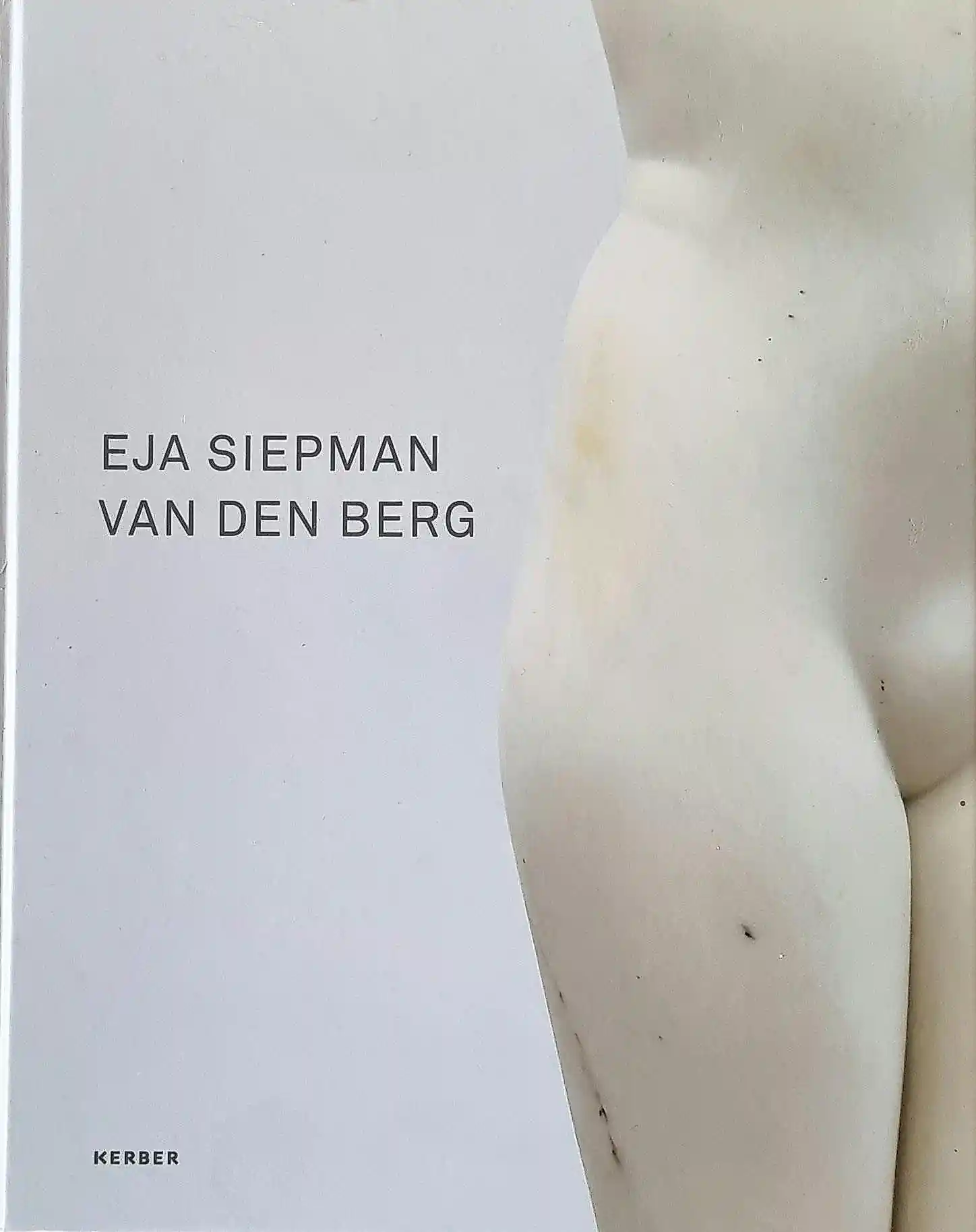
Eja Siepman van den Berg
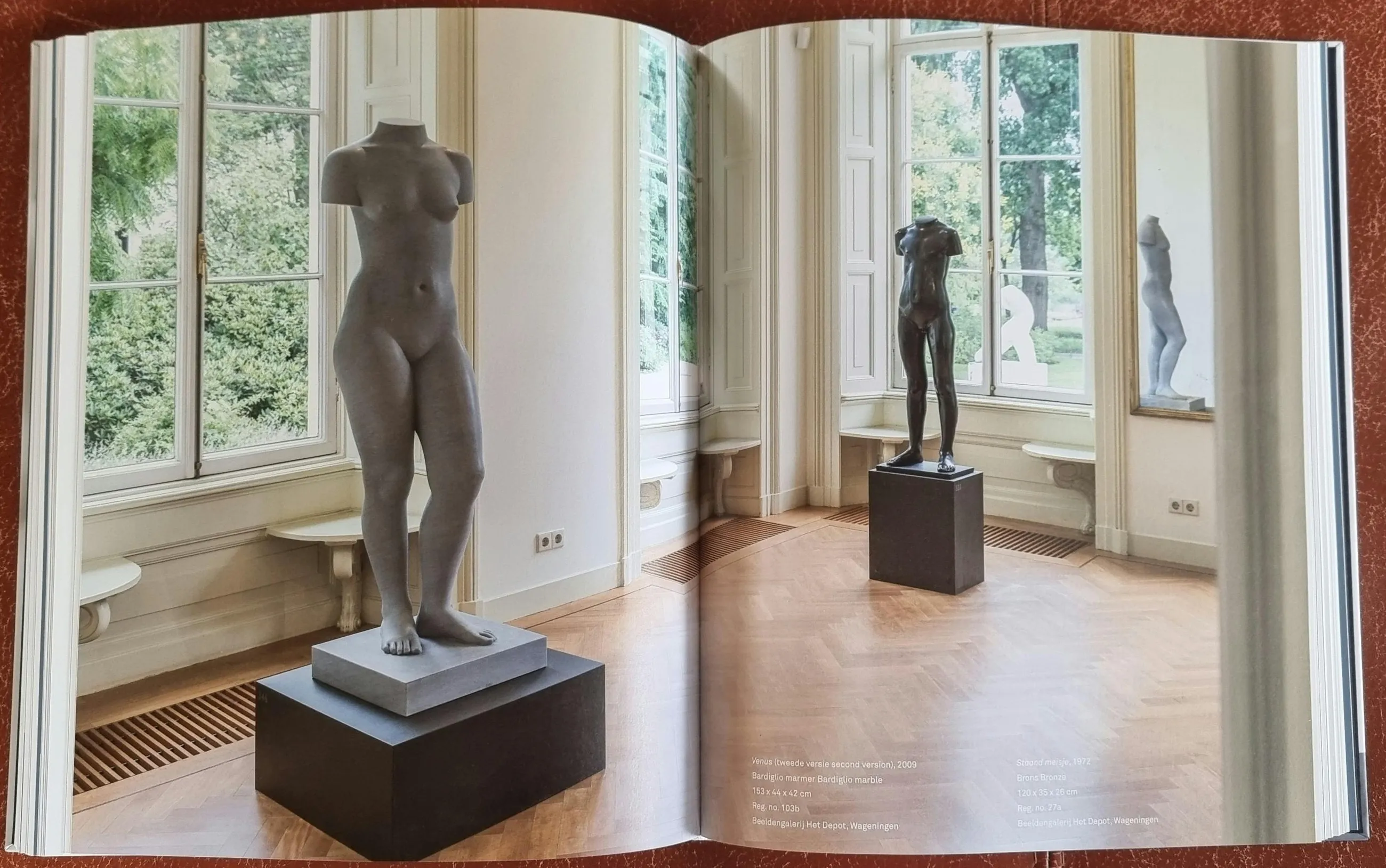
1. Catalog raisonné 1963 - 2022
Kerber Verlag (Bielefeld/Berlin),
Dutch/English edition
Hardcover, 28.5 x 23 cm
266 pages, 300+ ills. in color and b/w.
Design: Marc Koppen, Eindhoven
With essays by Antoon Melissen and Huub Mous
2.
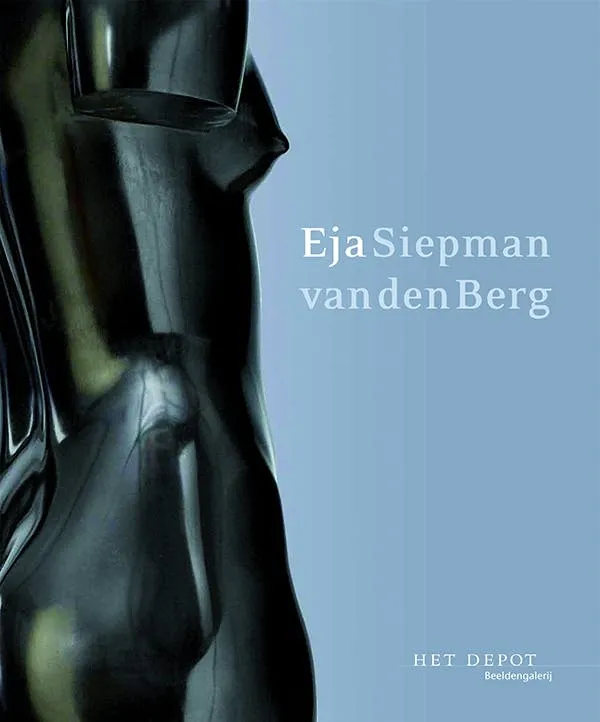
'Eja Siepman van den Berg',
Het Depot Waanders & de Kunst Foundation,
129 pages, soft cover, text by Bieke van der Mark and Huub Mous, NL
Publication dedicated to the rich collection of 39 Eja van den Berg's sculptures at the Beeldengalerij Het Depot in Wageningen.
3.
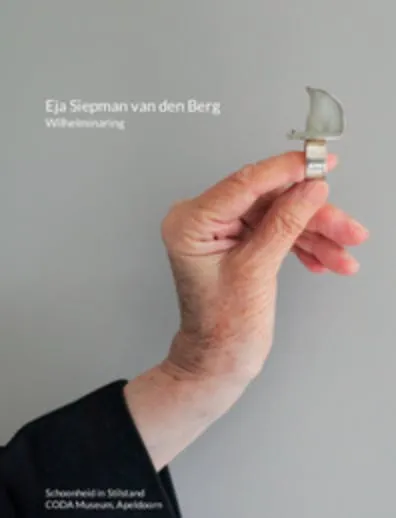
Eja Siepman van den Berg (catalogue).
Beauty in Stillness
Wilhelminaring 2018', Eja Siepman van den Berg Sculpture Collection Management Foundation
24 pages, text by Wim Pijbes
Publication at the occasion of Eja Siepman van den Berg receiving the Wilhelmina Ring 2017.
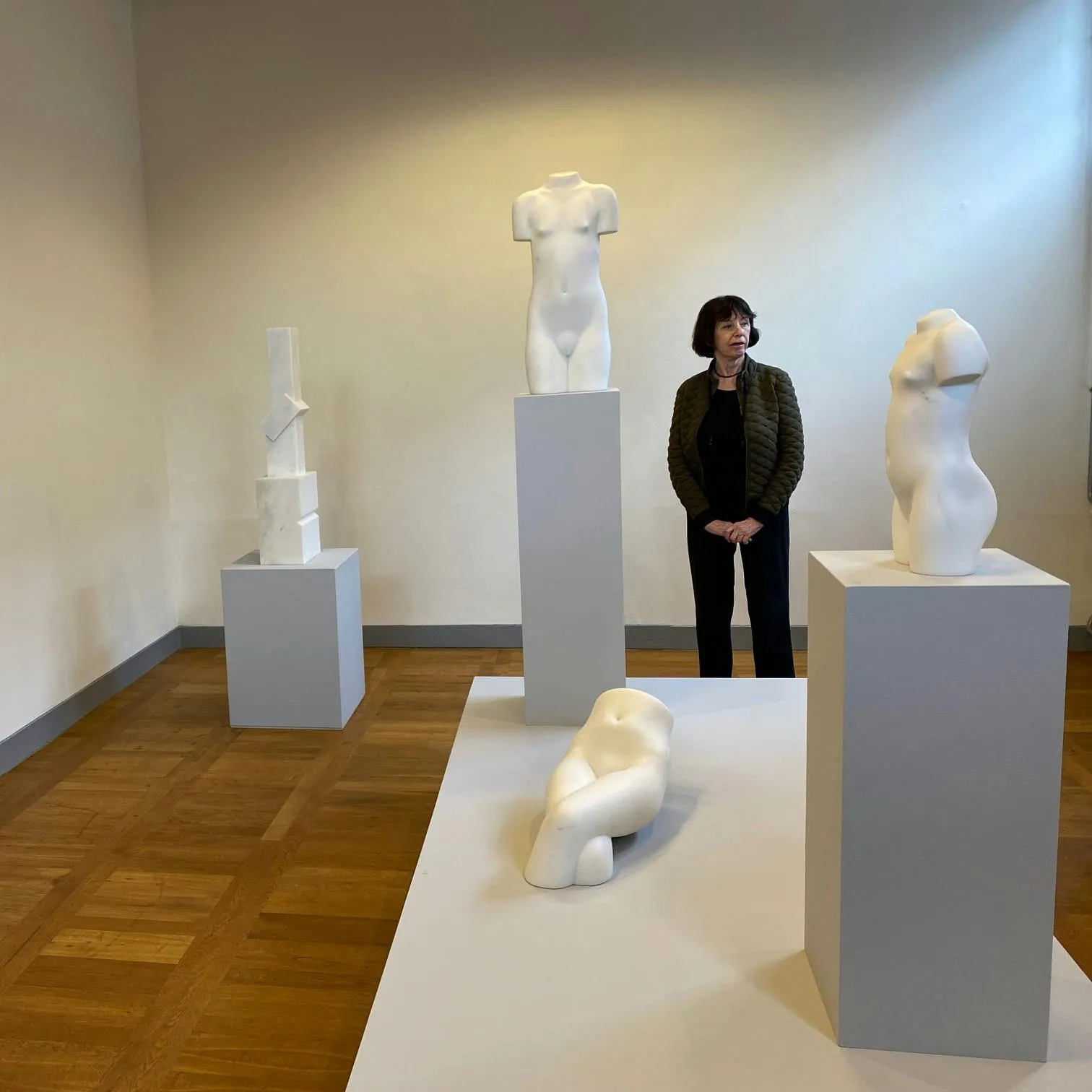
The Dutch sculptor Eja Siepman van den Berg (Eindhoven, 1943) developed her distinctive visual program in the early 1970s. Her representations of the human body in bronze and stone bear witness to her interest in harmonious figuration as well as in the principles of abstraction. Figurative abstraction Given the versatility of her visual language, Eja Siepman van den Berg's sculpture can hardly be considered merely figurative. On the contrary: Van den Berg's figuration can be traced back to her fascination with fundamental aspects of sculpture: with balance and proportion, with symmetry, and with the properties that her materials, bronze and stone, offer her. Based on her working method and deep-rooted interest in such aspects, we can just as easily interpret her sculpture as an investigative, a deliberate 'figurative abstraction'. This explains her broad interests: in the early Greek Kouroi, the restrained male figures from sculpture dating back to 600 BC, and in twentieth-century sculptors such as Consantin Brancusi and the American minimalist Donald Judd. Beauty in Stillness Eja Siepman van den Berg’s sculpture is free of anecdotes and 'personal histories'; the work testifies to 'universal values' rather than to the highly personal and individual. Her torsos and human figures are bearers of a timeless beauty. It is 'beauty in stillness'. Eja Siepman van den Berg trained as a sculptor at the Rijksacademie in Amsterdam (1962–1967). In 1967, she received the prestigious Prix de Rome. In 1978, she was the first winner of the Charlotte van Pallandt Prize, named after the Dutch sculptor Charlotte van Pallandt. Works by Eja Siepman van den Berg can be found in the most important Dutch museums. Sculptures for public spaces were realized in cities such as Amsterdam, The Hague, Leeuwarden, Leiden, and Utrecht.
1. Catalog raisonné 1963 - 2022
Kerber Verlag (Bielefeld/Berlin),
Dutch/English edition
Hardcover, 28.5 x 23 cm
266 pages, 300+ ills. in color and b/w.
Design: Marc Koppen, Eindhoven
With essays by Antoon Melissen and Huub Mous
2.
'Eja Siepman van den Berg',
Het Depot Waanders & de Kunst Foundation,
129 pages, soft cover, text by Bieke van der Mark and Huub Mous, NL
Publication dedicated to the rich collection of 39 Eja van den Berg's sculptures at the Beeldengalerij Het Depot in Wageningen.
3.
Eja Siepman van den Berg (catalogue).
Beauty in Stillness
Wilhelminaring 2018', Eja Siepman van den Berg Sculpture Collection Management Foundation
24 pages, text by Wim Pijbes
Publication at the occasion of Eja Siepman van den Berg receiving the Wilhelmina Ring 2017.
The Dutch sculptor Eja Siepman van den Berg (Eindhoven, 1943) developed her distinctive visual program in the early 1970s. Her representations of the human body in bronze and stone bear witness to her interest in harmonious figuration as well as in the principles of abstraction. Figurative abstraction Given the versatility of her visual language, Eja Siepman van den Berg's sculpture can hardly be considered merely figurative. On the contrary: Van den Berg's figuration can be traced back to her fascination with fundamental aspects of sculpture: with balance and proportion, with symmetry, and with the properties that her materials, bronze and stone, offer her. Based on her working method and deep-rooted interest in such aspects, we can just as easily interpret her sculpture as an investigative, a deliberate 'figurative abstraction'. This explains her broad interests: in the early Greek Kouroi, the restrained male figures from sculpture dating back to 600 BC, and in twentieth-century sculptors such as Consantin Brancusi and the American minimalist Donald Judd. Beauty in Stillness Eja Siepman van den Berg’s sculpture is free of anecdotes and 'personal histories'; the work testifies to 'universal values' rather than to the highly personal and individual. Her torsos and human figures are bearers of a timeless beauty. It is 'beauty in stillness'. Eja Siepman van den Berg trained as a sculptor at the Rijksacademie in Amsterdam (1962–1967). In 1967, she received the prestigious Prix de Rome. In 1978, she was the first winner of the Charlotte van Pallandt Prize, named after the Dutch sculptor Charlotte van Pallandt. Works by Eja Siepman van den Berg can be found in the most important Dutch museums. Sculptures for public spaces were realized in cities such as Amsterdam, The Hague, Leeuwarden, Leiden, and Utrecht.
| Condition | |||||||||||
| Condition | Mint condition | ||||||||||
| Shipment | |||||||||||
| Payment | You must complete the payment in advance via our payment system. Paying in cash upon pickup on location is not possible. | ||||||||||
| Shipment | Parcel post | ||||||||||
| Price | Up to 2 kg.
| ||||||||||
| Guarantee | |||||||||||
| Guarantee | By putting the item up for auction, I agree with the Terms of Guarantee as they are applicable at Kunstveiling regarding the accuracy of the description of the item | ||||||||||
| Consumer law | This seller has indicated that they are a private seller. Therefore, consumer law does not apply. Read more | ||||||||||
The seller takes full responsibility for this item. Kunstveiling only provides the platform to facilitate this transaction, which has to be settled directly with the seller. More information .
Eja Siepman van den Berg (1943)
 Dutch
Dutch V
verschuiven2408 The Netherlands
2024 | |
44 sold | 4 followers |
23 cm
28.5 cm