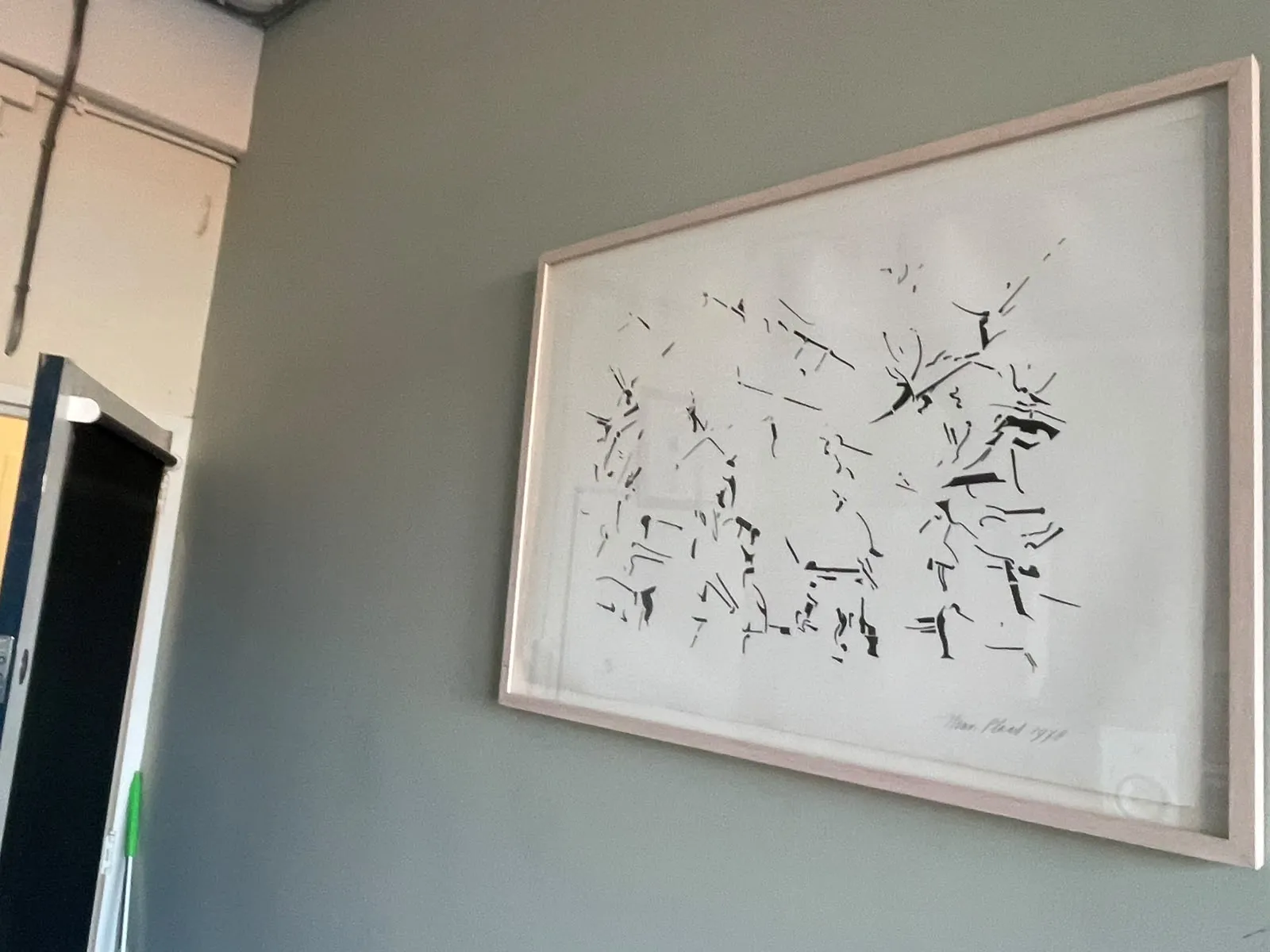
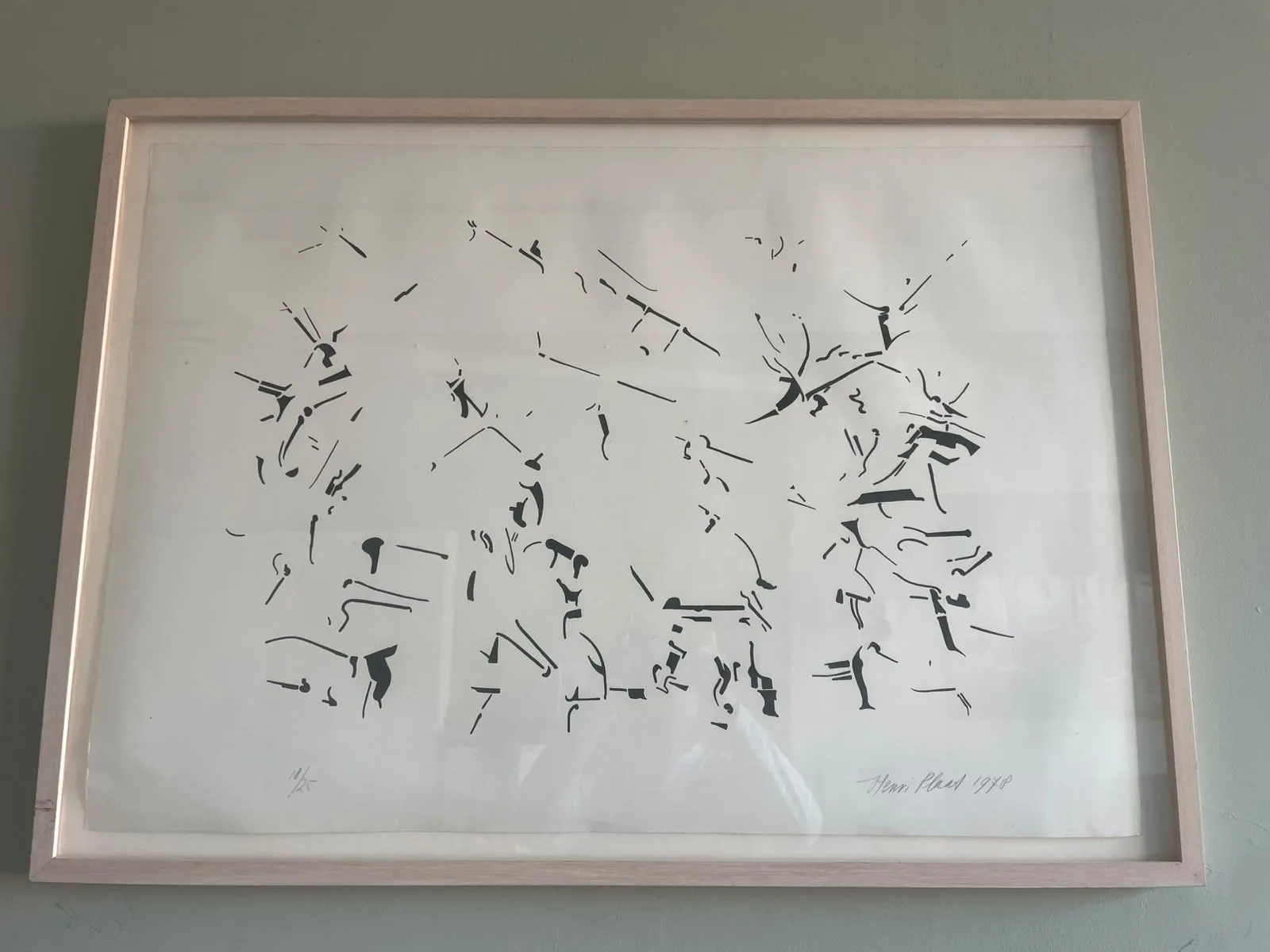
Henri Plaat - figures

Auction details
| Start time | 5-10-2026 at 10:20 |
| End time | 11-10-2026 at 18:50 |
Starting bid €100
Buyer's premium : 15%
An aftersale bid has already been made for this item. If this bid is declined by the seller, you can bid in the aftersale again.
| Pick up | Yes, possible |
| Location | Schiedam, The Netherlands |
K
kunsttrader The Netherlands
2017 | |
37 sold | 2 followers |
- Description
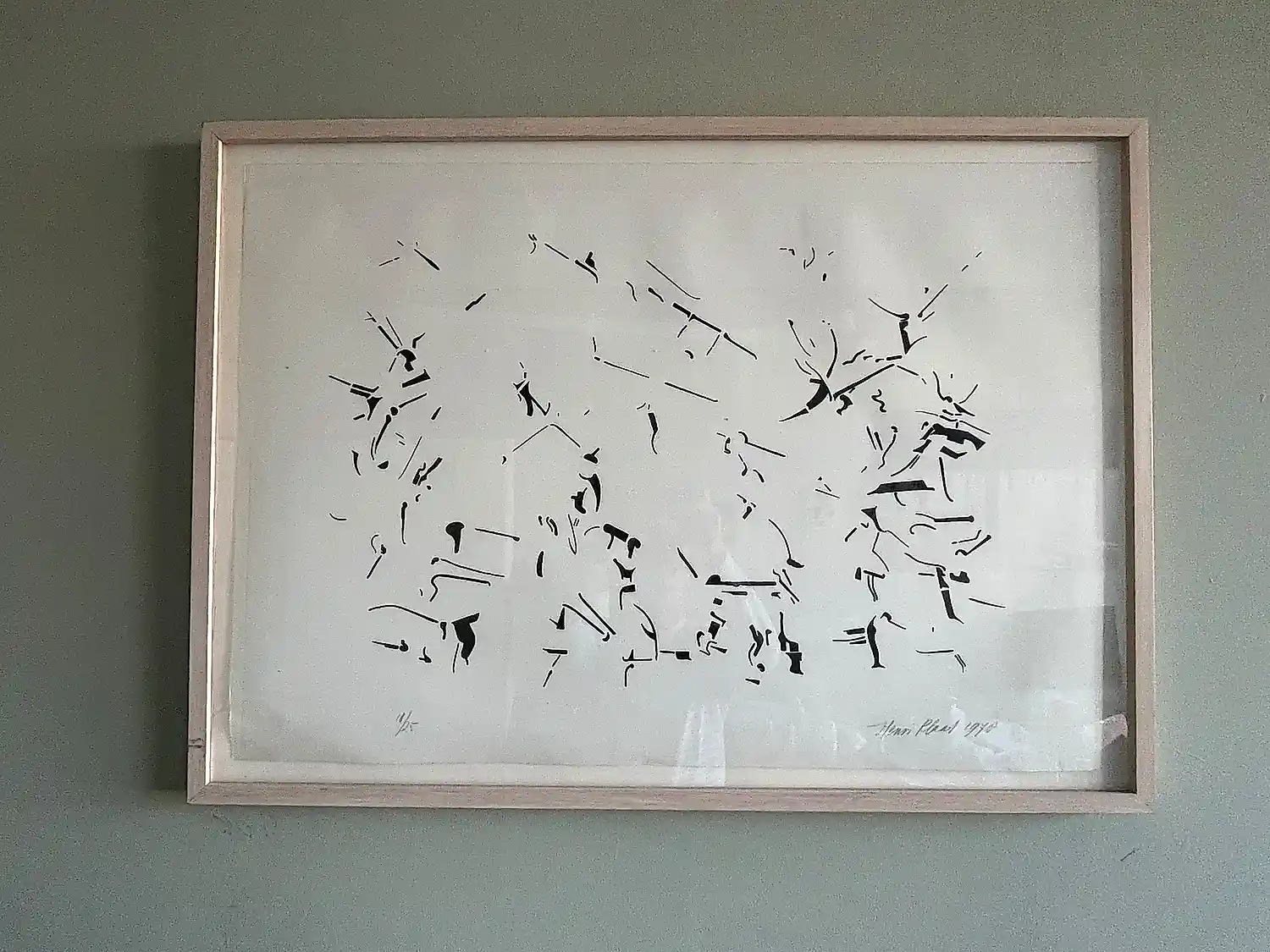
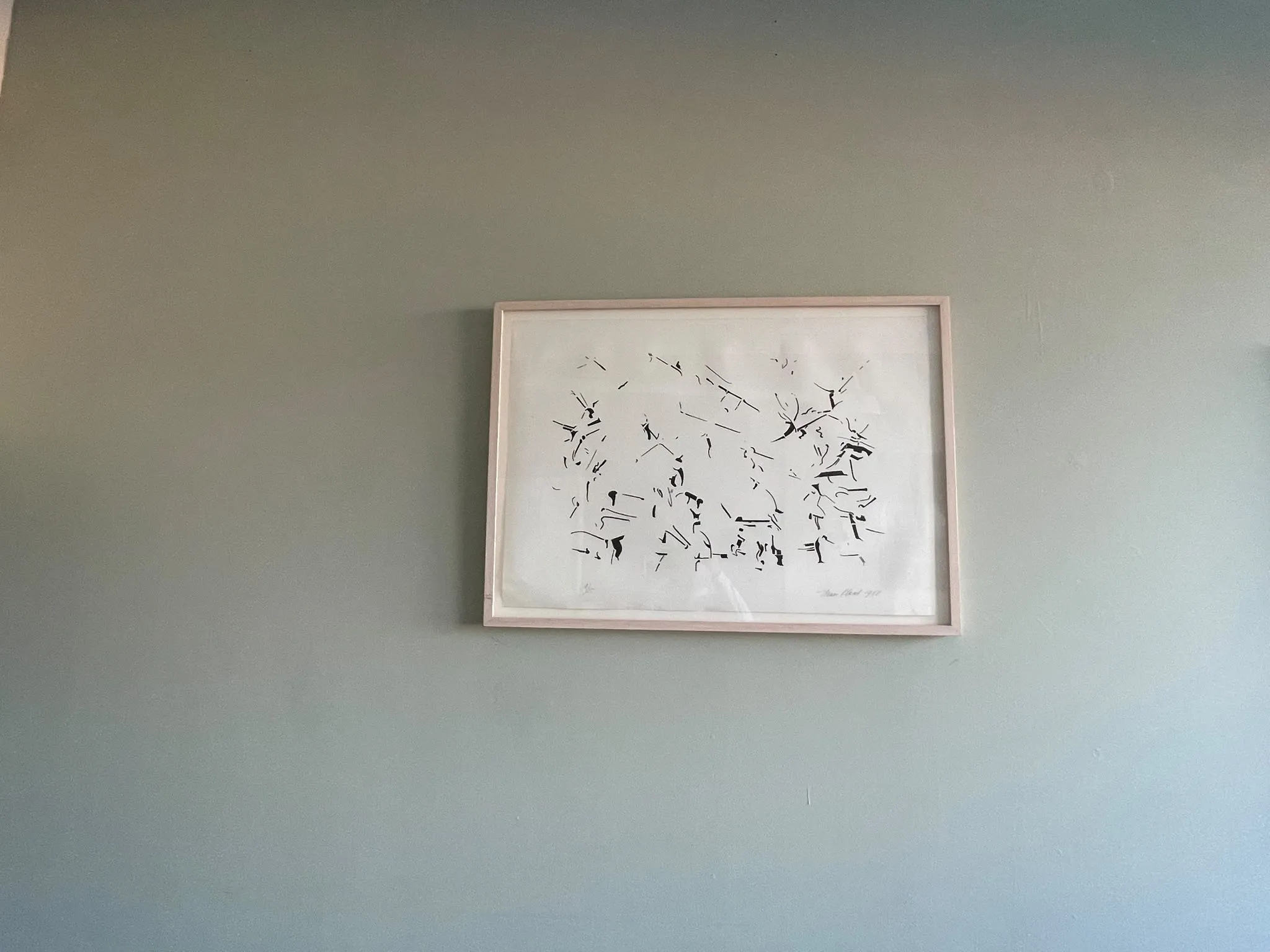
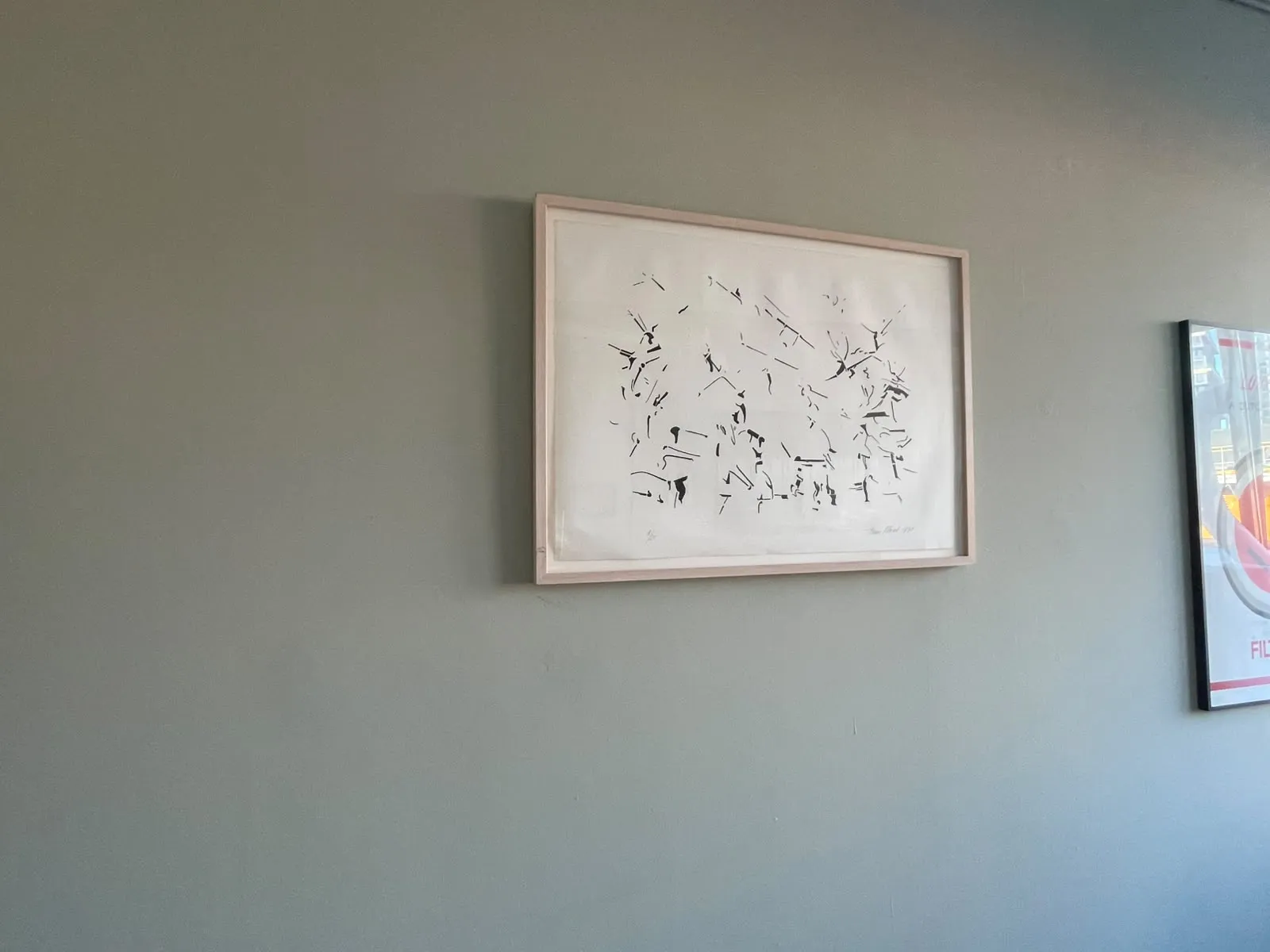
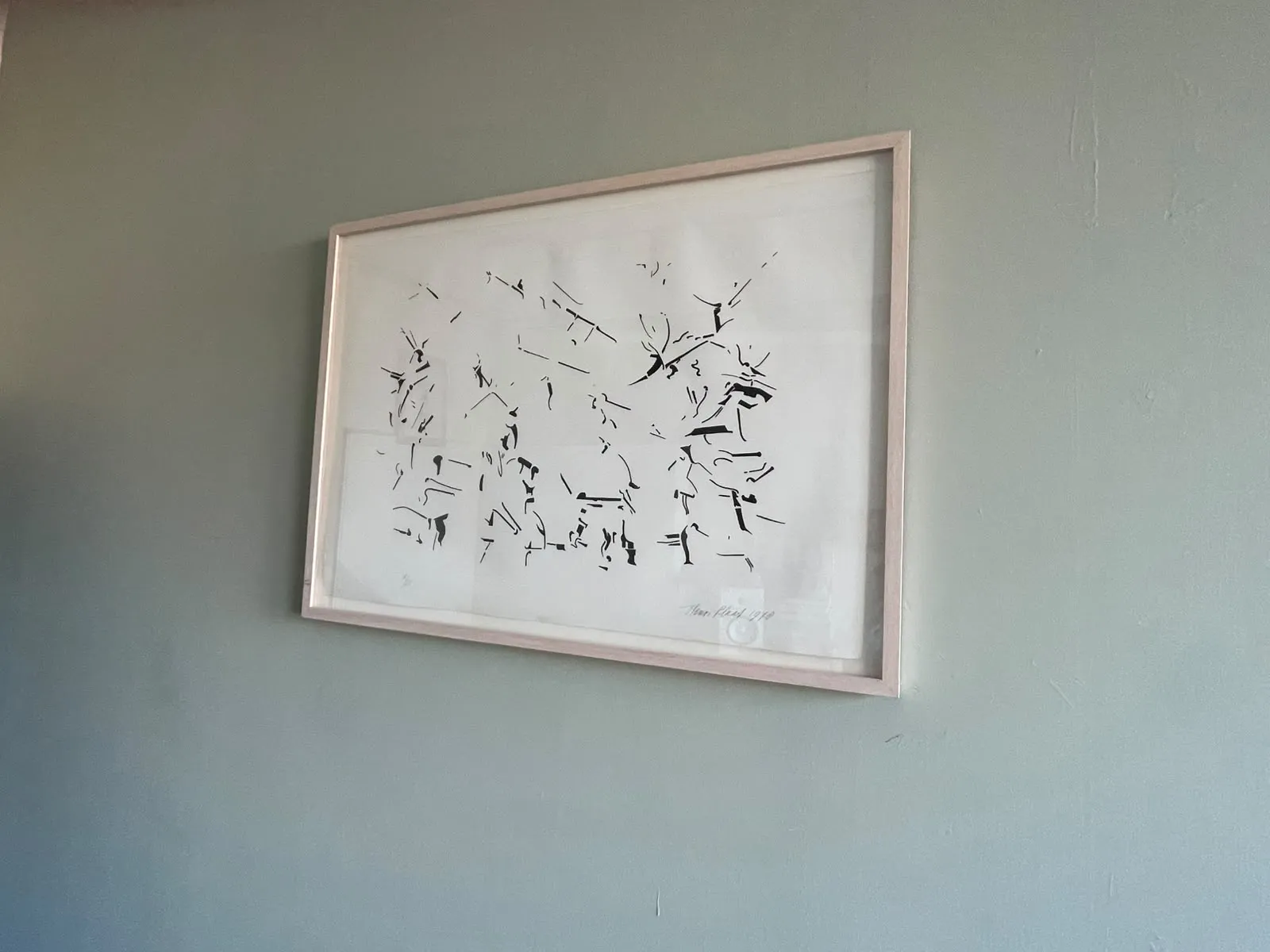
- Henri Plaat (1936-2023)
| Type of artwork | Prints (signed) |
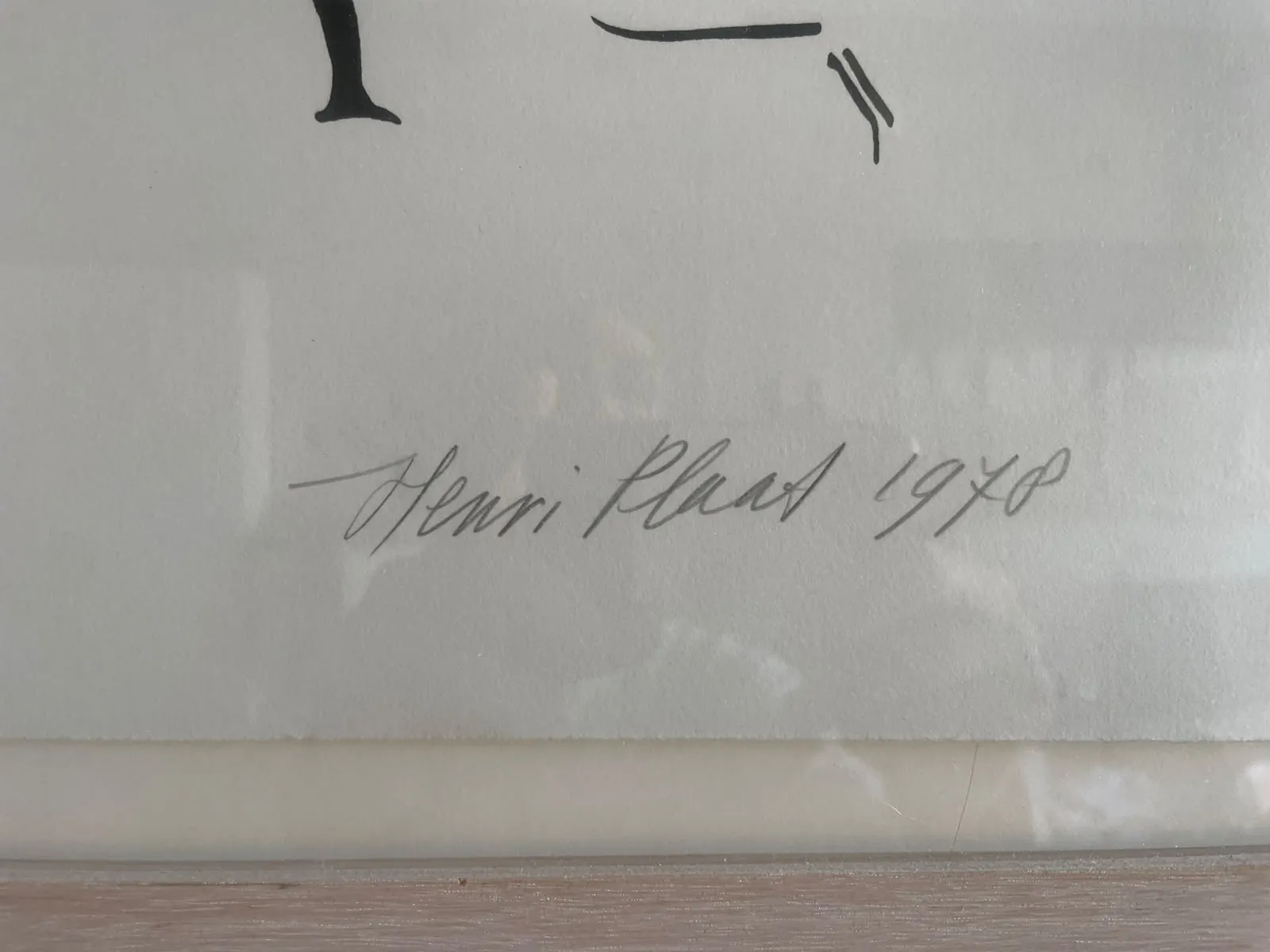
| Year | 1978 |
| Technique | Silkscreen |
| Support | Paper |
| Style | Expressionist |
| Subject | Figures |
| Framed | Not framed |
| Dimensions | 65 x 90 cm (h x w) |
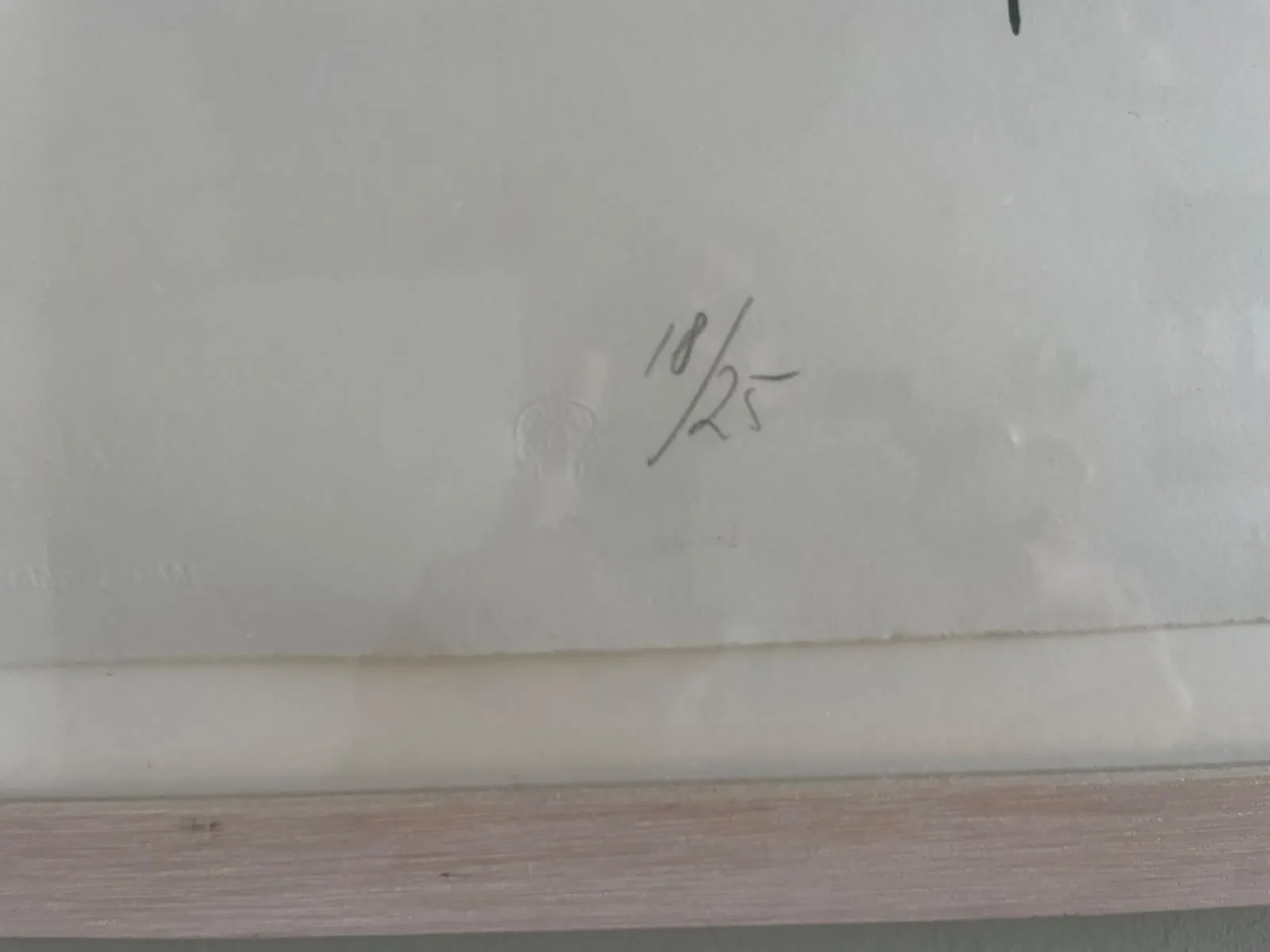
| Signed | Hand signed |
| Edition | 25 |
Translated with Google Translate. Original text show .
Henri Plaat was one of the most idiosyncratic artists in the Netherlands. He trained as a typographer and began his career as a graphic artist, but from 1963 onwards he devoted himself entirely to the visual arts with gouaches, collages, and photographs. His oeuvre comprises over three thousand works on paper, a small number of oil paintings, and some forty films. He is best known for his landscapes, collages constructed from squares or diagonals. His inspiration lay in the past: deserted landscapes, decaying old cities, archaeology, and ancient manuscripts, but also pre-war films and film divas. His work has a melancholic undertone and combines form and color with absurdism and surrealism. Friend and filmmaker Cherry Duyns called him "the grand duke of absurdism." He also garnered recognition as a filmmaker: his film about the tango in South America won a Golden Calf in 1981, and in 1987 he received the LJ Jordaan Prize. In 1991, he was awarded the Jeanne Oosting Prize for watercolor art.
| Condition | |||||||||||
| Condition | Good | ||||||||||
| The work is in good condition. The paper is clean and flat, the colors are fresh, and no tears, stains, or discoloration are visible. | |||||||||||
| Shipment | |||||||||||
| Pick up | The work can be picked up on location. As a buyer you must bring your own packaging materials. The location is: Schiedam, The Netherlands | ||||||||||
| Shipment | Parcel post | ||||||||||
| Price | Up to 2 kg.
| ||||||||||
| Guarantee | |||||||||||
| Guarantee | By putting the item up for auction, I agree with the Terms of Guarantee as they are applicable at Kunstveiling regarding the accuracy of the description of the item | ||||||||||
| Consumer law | This seller has indicated that they are a private seller. Therefore, consumer law does not apply. Read more | ||||||||||
The seller takes full responsibility for this item. Kunstveiling only provides the platform to facilitate this transaction, which has to be settled directly with the seller. More information .
Henri Plaat (1936-2023)
 Dutch
Dutch K
kunsttrader The Netherlands
2017 | |
37 sold | 2 followers |
Silkscreen 19781945 to 1999 Beroepsvereniging Kunstenaars (BBK) Arti et Amicitiae Prent 190 De Keerkring
90 cm
65 cm