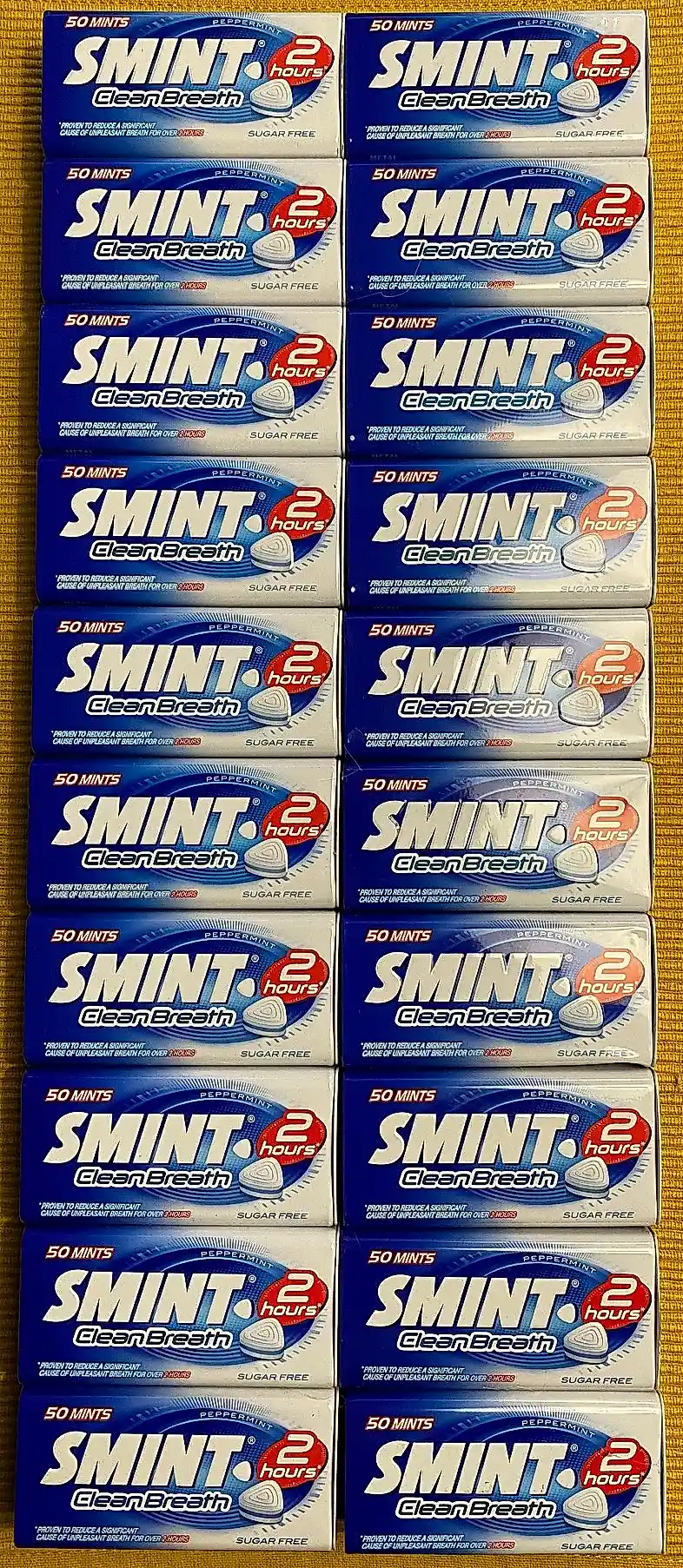
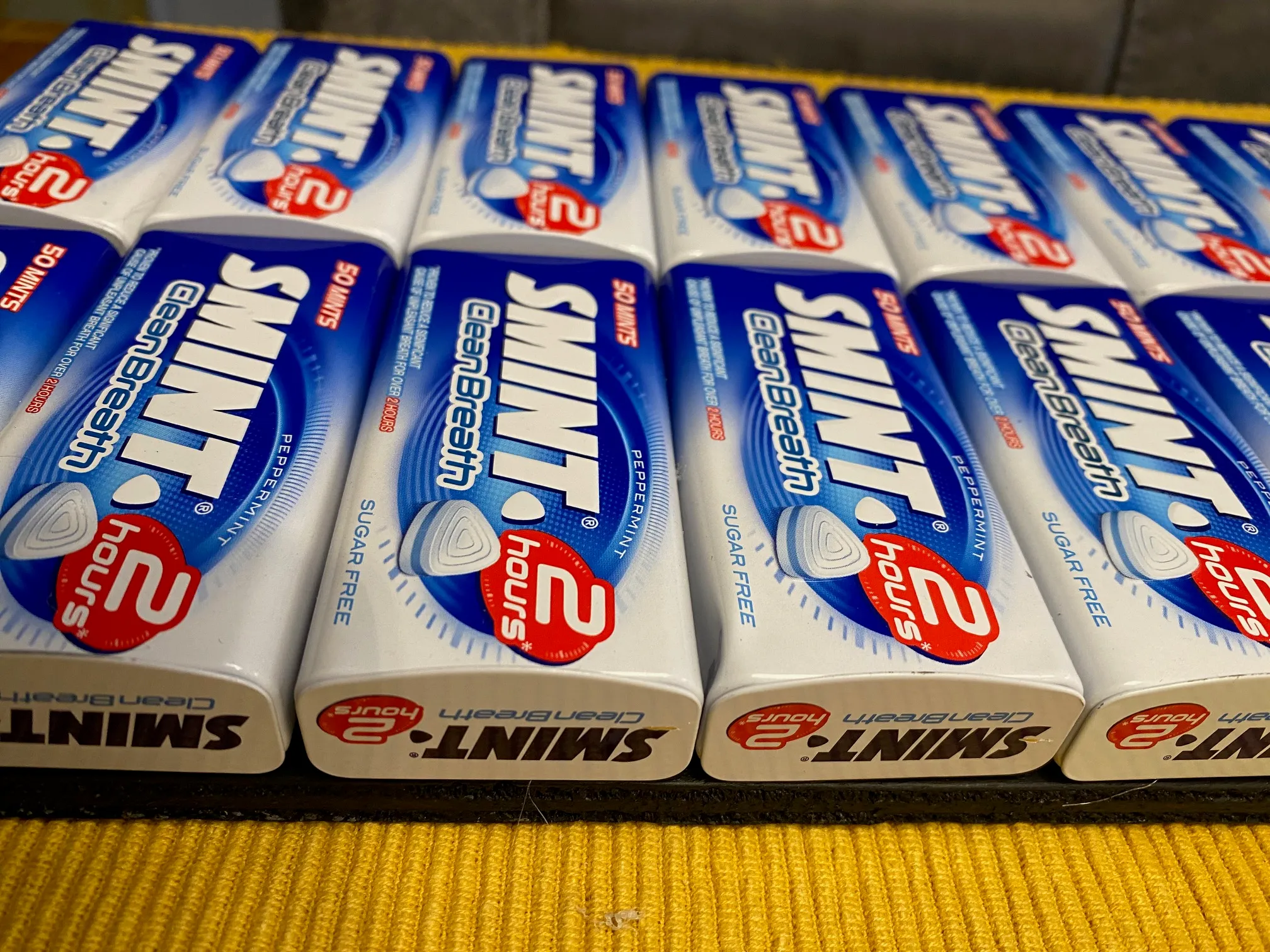
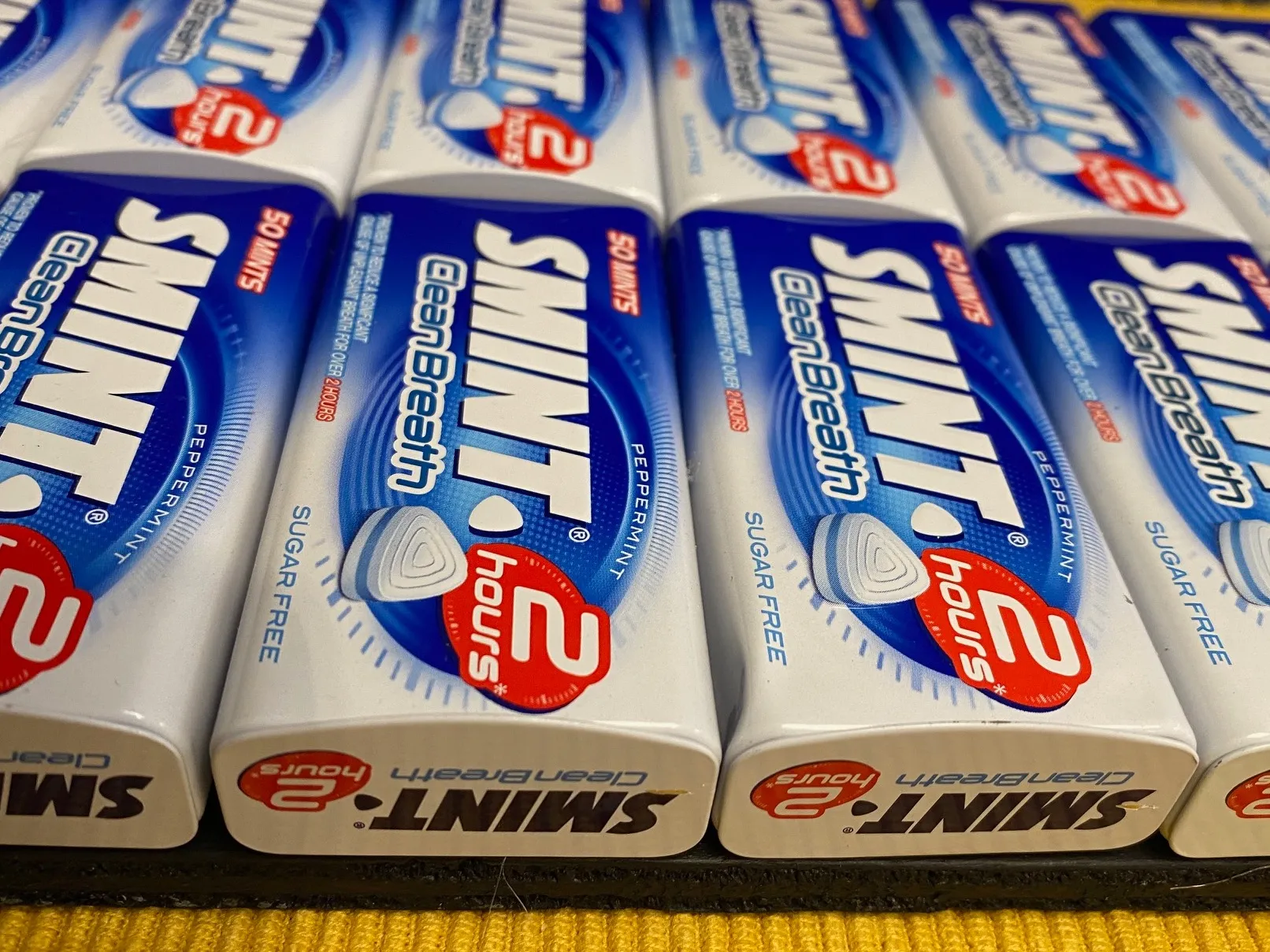
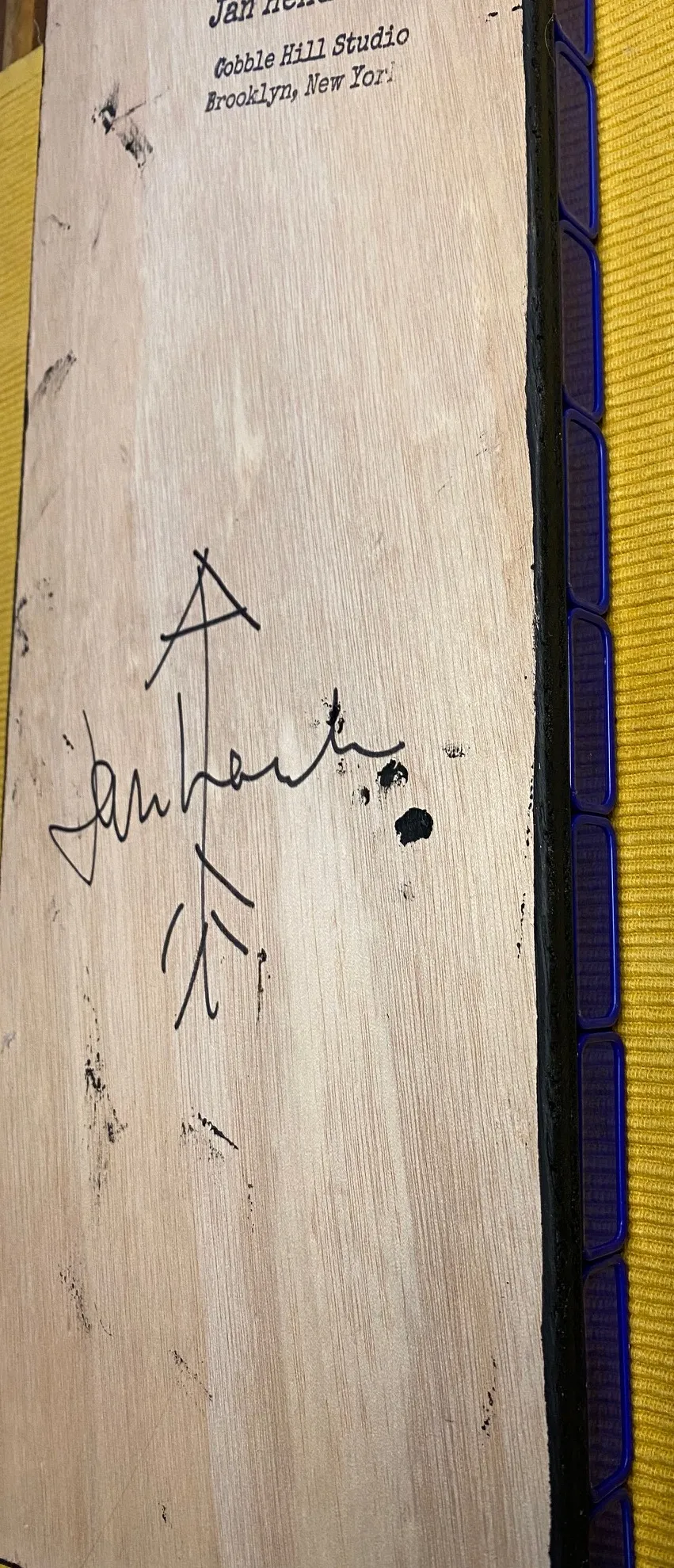
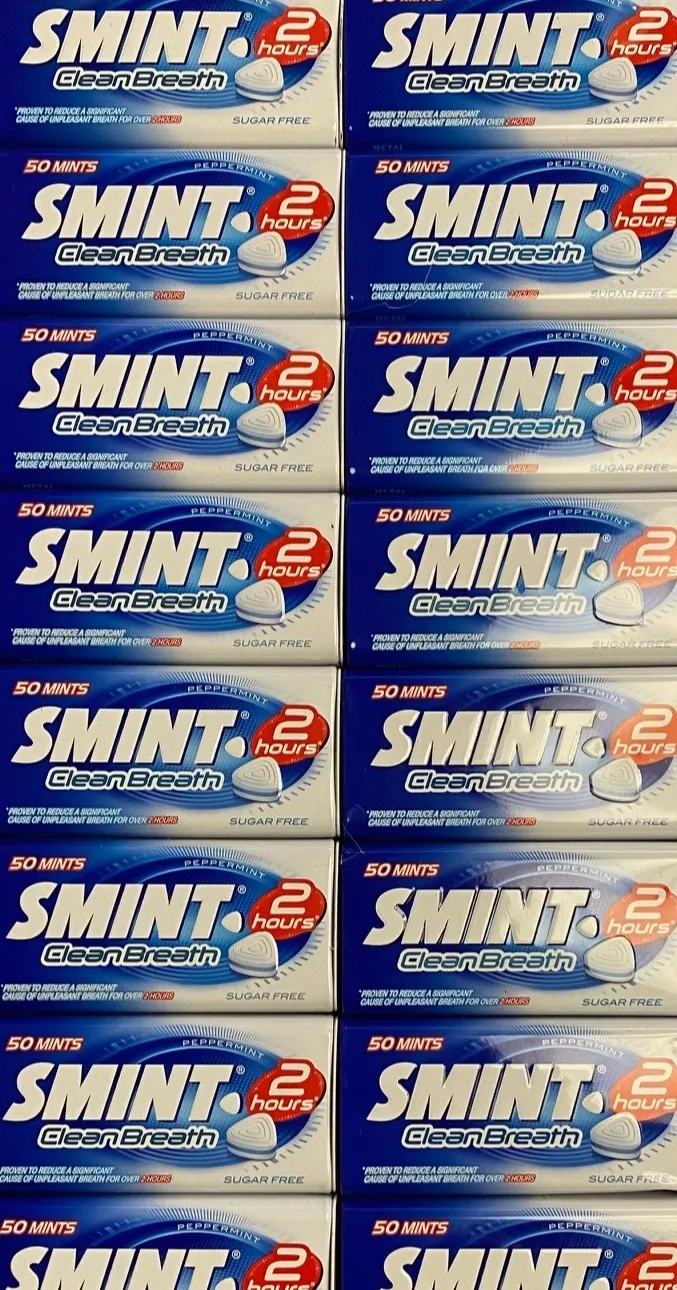
Jan Henderikse - Untitled (Smint boxes / collage on board) from the period 2000-2025 signed.

Starting bid €400
Buyer's premium : 15%
| Pick up | No, not possible |
| Pay on location | No, not possible |
| Location | Helmond, The Netherlands |
Auction details
| Start time | 16-10-2026 at 7:13 |
| End time | 21-10-2026 at 19:40 |
Please note: if a bid is made in the last 5 minutes, the auction will be extended by 5 minutes.
V
verschuiven2408 The Netherlands
2024 | |
44 sold | 4 followers |
- Description
- Jan Henderikse (1937)
| Type of artwork | Painting |
| Period | 2000 to present |
| Technique | Collage |
| Support | Board |
| Style | Modern |
| Subject | Abstract |
| Framed | Not framed |
| Dimensions | 43 x 17.5 cm (h x w) |
| Signed | Hand signed |
Translated with Google Translate. Original text show .
Jan Henderikse
Untitled - Smint Lucifer boxes on board from the years 2020/2025
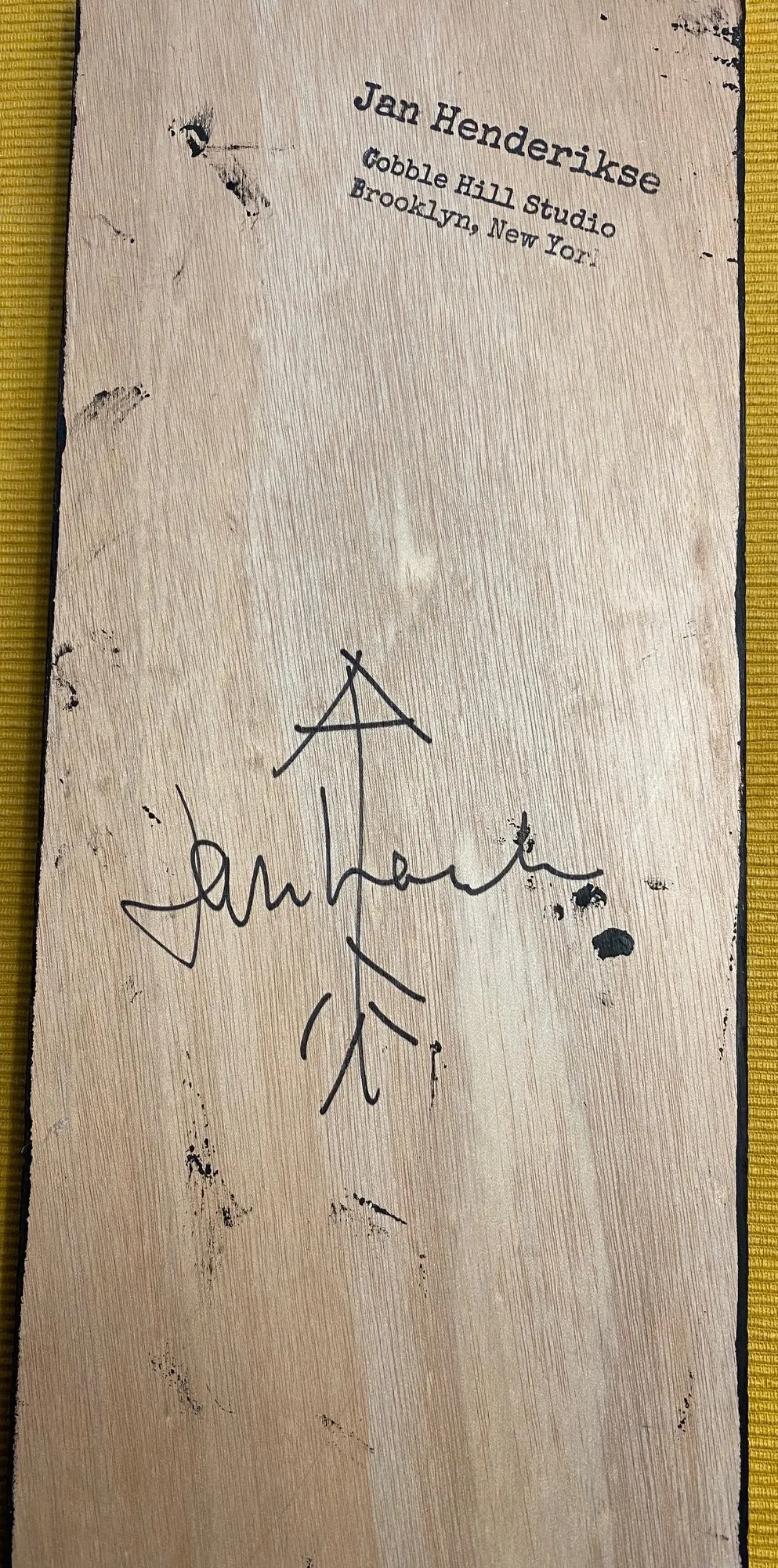
signed back of board
43 x 17.5 x 3 cm
provenance:
- directly from the artist, New York
- private collection, the Netherlands
Style: modern, abstract, minimalist, Zero. Jan Henderikse (Delft, 1937) began his career as an informal painter. In 1960, he co-founded the Dutch Zero Group and began experimenting with assemblages and the impact of large numbers of everyday objects such as corks, fruit and vegetable crates, beer crates, license plates, and coins. The Dutch artist Jan Henderikse studied at the Vrije Academie voor Beeldende Kunsten in The Hague. He has lived in various places including Düsseldorf, Cologne, Berlin, Curaçao, Manhattan, Brooklyn, Antwerp… The catalogue, monograph 'In Transit' by art writer Antoon Melissen, is a homage to the oeuvre of Jan Henderikse. It provides a fine overview of his New York and Berlin years. His diverse oeuvre has been presented by international museums and acquired by both private individuals and major collectors; a diverse overview and reference work of catalogues can be found on social media. Jan Henderikse is the youngest member of the Nul Movement, founded in the 1960s, which pursued a rigorous art in contrast to the then-prevailing Action Painting. Typical characteristics of the Nul Movement are monochrome and repetition. The artists also sometimes worked with industrial materials that were incorporated into the artwork in their unprocessed state. Of all the Nul artists, Henderikse is perhaps the most rudimentary. He developed a very personal visual language using coins and corks; his assemblages have become a household name in the art world. This art was also referred to as anti-art or Anti-Peinture. Four other artists were Henk Peeters, Jan Schoonhoven, Armando, and Herman De Vries. In 1959, he subsequently settled in Cologne and Düsseldorf, at that time the epicenter of the post-war European avant-garde. Henderikse made contact with the group of international Zero artists. He befriended the German artist Günther Uecker and other Zero artists, including Mack, Otto Pienne, Enrico Castellani, Lucio Fontana, Yves Klein, Piero Mansoni, and others. Jan Henderikse participated in various Zero exhibitions, including the “NUL” in Amsterdam at the Stedelijk Museum (1962), with his beer crate installation, which was also on display at the Solomon R. Guggenheim Museum in New York from 2014 to 2015.
In 1963, Jan moved to Curaçao. During this period, the typical 'number plates', Bon Bini, assemblages with PET bottles, as well as the coin reliefs, coins, originated. He made these using materials readily available there, driven by a fascination for the constructive and geometric pattern—a 'grid pattern', diamond shape, circle, rectangle, or square—that was so typical of Zero.
In 1968, Jan moved to Brooklyn, New York, which remains his current primary residence. There, he works almost continuously on conceptual art, photo installations, multiples and readymades, neon lights, and posters. In an interview, Jan Henderikse stated that he described Broadway as one large work of art, more than a kilometer long. This typifies his vision as an artist. Subsequently, Henderikse regularly commuted to Berlin (1988) and the United States. Since 1999, Henderikse traded Berlin for Antwerp, Belgium, near the Hessenhuis, where the last exhibition of the Nul Group took place in 1962. He lived and worked there until 2020, after which Jan returned to Brooklyn (USA), where he steadily continues working on his ever-present multimedia oeuvre.
In 2018, a retrospective solo exhibition was held in Schiedam, the Netherlands. Recently, there have been regular exhibitions in Amsterdam, Berlin, Antwerp, Dusseldorf, London, Miami, New York, and Tokyo… demonstrating the international interest in this extraordinary, captivating Timeless artist.
Untitled - Smint Lucifer boxes on board from the years 2020/2025
signed back of board
43 x 17.5 x 3 cm
provenance:
- directly from the artist, New York
- private collection, the Netherlands
Style: modern, abstract, minimalist, Zero. Jan Henderikse (Delft, 1937) began his career as an informal painter. In 1960, he co-founded the Dutch Zero Group and began experimenting with assemblages and the impact of large numbers of everyday objects such as corks, fruit and vegetable crates, beer crates, license plates, and coins. The Dutch artist Jan Henderikse studied at the Vrije Academie voor Beeldende Kunsten in The Hague. He has lived in various places including Düsseldorf, Cologne, Berlin, Curaçao, Manhattan, Brooklyn, Antwerp… The catalogue, monograph 'In Transit' by art writer Antoon Melissen, is a homage to the oeuvre of Jan Henderikse. It provides a fine overview of his New York and Berlin years. His diverse oeuvre has been presented by international museums and acquired by both private individuals and major collectors; a diverse overview and reference work of catalogues can be found on social media. Jan Henderikse is the youngest member of the Nul Movement, founded in the 1960s, which pursued a rigorous art in contrast to the then-prevailing Action Painting. Typical characteristics of the Nul Movement are monochrome and repetition. The artists also sometimes worked with industrial materials that were incorporated into the artwork in their unprocessed state. Of all the Nul artists, Henderikse is perhaps the most rudimentary. He developed a very personal visual language using coins and corks; his assemblages have become a household name in the art world. This art was also referred to as anti-art or Anti-Peinture. Four other artists were Henk Peeters, Jan Schoonhoven, Armando, and Herman De Vries. In 1959, he subsequently settled in Cologne and Düsseldorf, at that time the epicenter of the post-war European avant-garde. Henderikse made contact with the group of international Zero artists. He befriended the German artist Günther Uecker and other Zero artists, including Mack, Otto Pienne, Enrico Castellani, Lucio Fontana, Yves Klein, Piero Mansoni, and others. Jan Henderikse participated in various Zero exhibitions, including the “NUL” in Amsterdam at the Stedelijk Museum (1962), with his beer crate installation, which was also on display at the Solomon R. Guggenheim Museum in New York from 2014 to 2015.
In 1963, Jan moved to Curaçao. During this period, the typical 'number plates', Bon Bini, assemblages with PET bottles, as well as the coin reliefs, coins, originated. He made these using materials readily available there, driven by a fascination for the constructive and geometric pattern—a 'grid pattern', diamond shape, circle, rectangle, or square—that was so typical of Zero.
In 1968, Jan moved to Brooklyn, New York, which remains his current primary residence. There, he works almost continuously on conceptual art, photo installations, multiples and readymades, neon lights, and posters. In an interview, Jan Henderikse stated that he described Broadway as one large work of art, more than a kilometer long. This typifies his vision as an artist. Subsequently, Henderikse regularly commuted to Berlin (1988) and the United States. Since 1999, Henderikse traded Berlin for Antwerp, Belgium, near the Hessenhuis, where the last exhibition of the Nul Group took place in 1962. He lived and worked there until 2020, after which Jan returned to Brooklyn (USA), where he steadily continues working on his ever-present multimedia oeuvre.
In 2018, a retrospective solo exhibition was held in Schiedam, the Netherlands. Recently, there have been regular exhibitions in Amsterdam, Berlin, Antwerp, Dusseldorf, London, Miami, New York, and Tokyo… demonstrating the international interest in this extraordinary, captivating Timeless artist.
| Condition | |||||||||||
| Condition | Mint condition | ||||||||||
| Shipment | |||||||||||
| Payment | You must complete the payment in advance via our payment system. Paying in cash upon pickup on location is not possible. | ||||||||||
| Shipment | Parcel post | ||||||||||
| Price | Up to 2 kg.
| ||||||||||
| Guarantee | |||||||||||
| Guarantee | By putting the item up for auction, I agree with the Terms of Guarantee as they are applicable at Kunstveiling regarding the accuracy of the description of the item | ||||||||||
| Consumer law | This seller has indicated that they are a private seller. Therefore, consumer law does not apply. Read more | ||||||||||
The seller takes full responsibility for this item. Kunstveiling only provides the platform to facilitate this transaction, which has to be settled directly with the seller. More information .
Jan Henderikse (1937)
 Dutch
Dutch V
verschuiven2408 The Netherlands
2024 | |
44 sold | 4 followers |
17.5 cm
43 cm