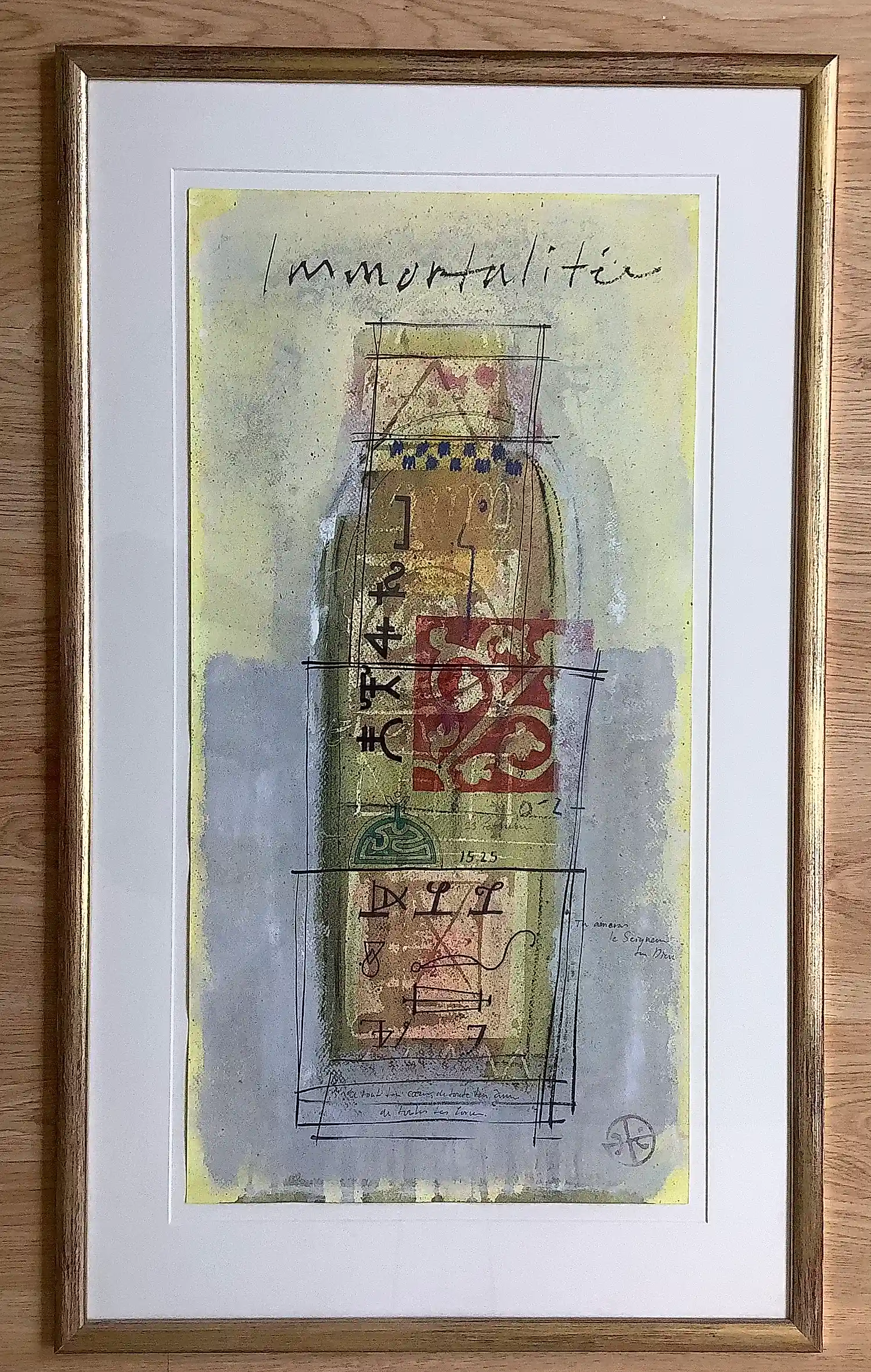
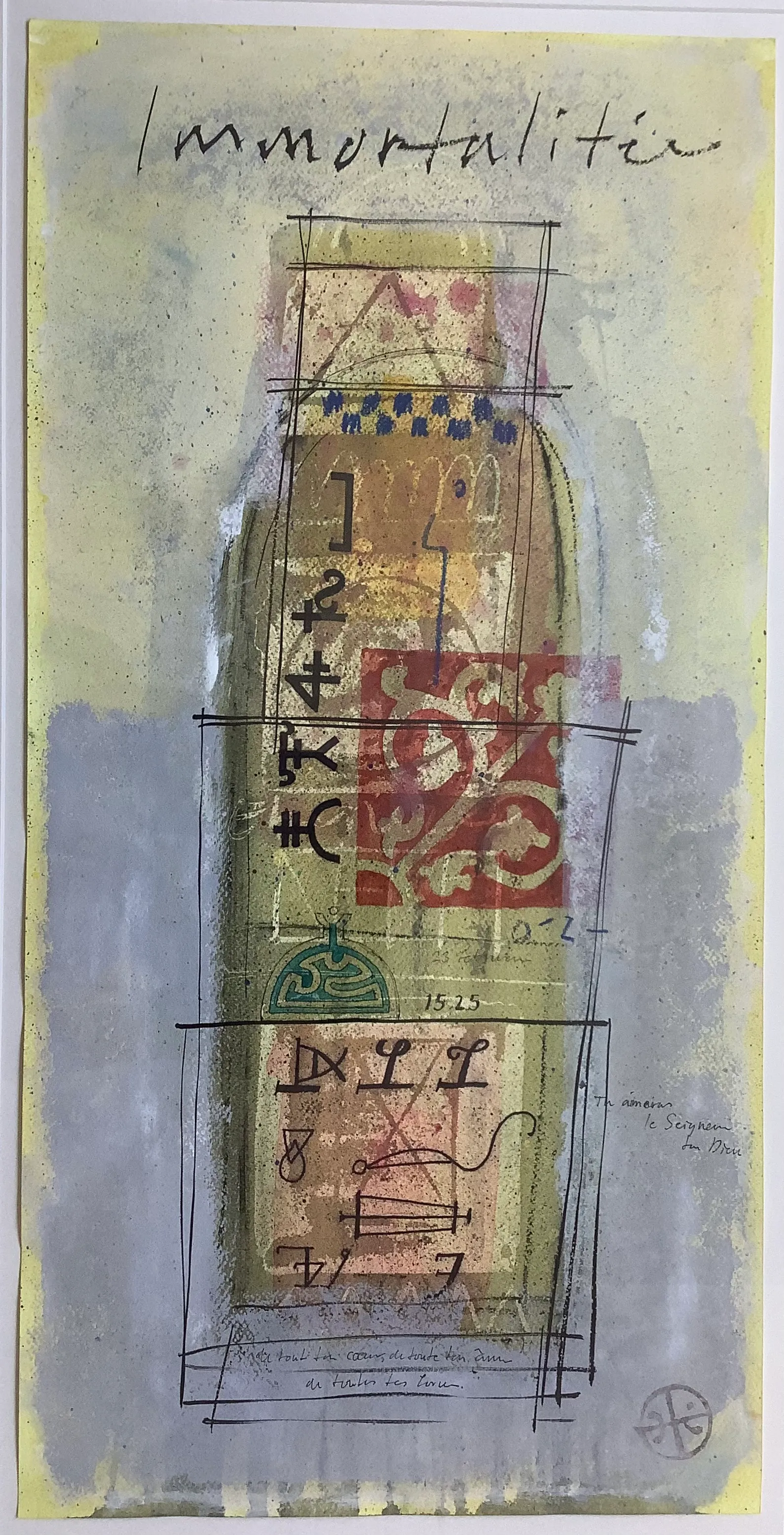
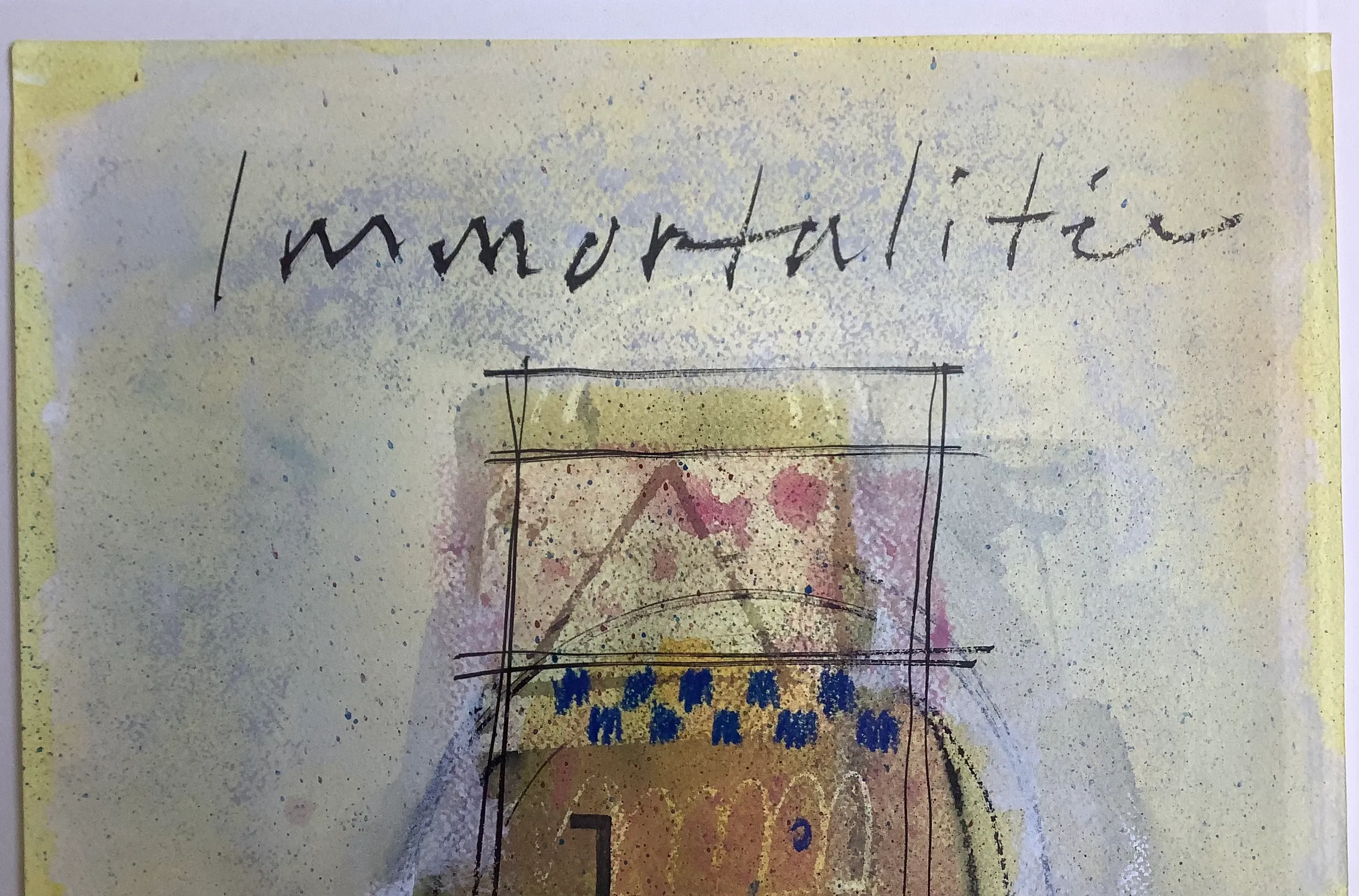
Leo Schepens - Immortality

Auction details
| Start time | 16-9-2026 at 14:00 |
| End time | 27-9-2026 at 18:31 |
Starting bid €145
Buyer's premium : 15%
Missed the auction? The item may still be available. You can make one single bid in the aftersale.
| Pick up | Yes, possible |
| Location | Bergen op Zoom, The Netherlands |
N
Niv001 The Netherlands
2020 | |
157 sold | 6 followers |
- Description
- Leo Schepens (1953)
| Type of artwork | Drawing / Aquarelle |
| Period | 2000 to present |
| Technique | Gouache |
| Support | Paper |
| Framed | Framed |
| Dimensions | 69 x 34.5 cm (h x w) |
| Incl. frame | 89 x 52.5 cm (h x w) |
| Signed | Hand signed |
Translated with Google Translate. Original text show .
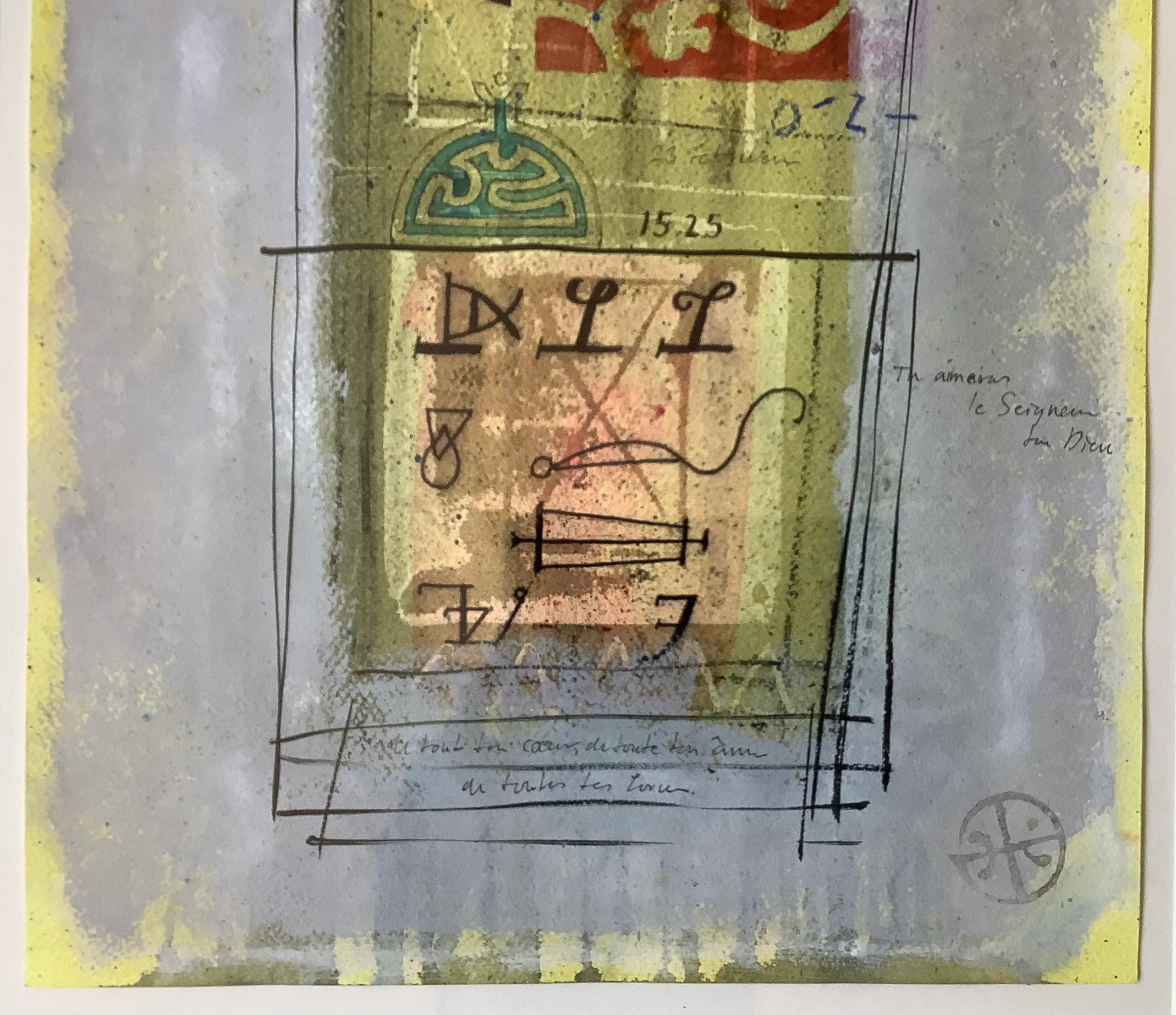
Technique: Mixed media, gouache on paper.
Year: Period 2002-2010
Edition: Unique
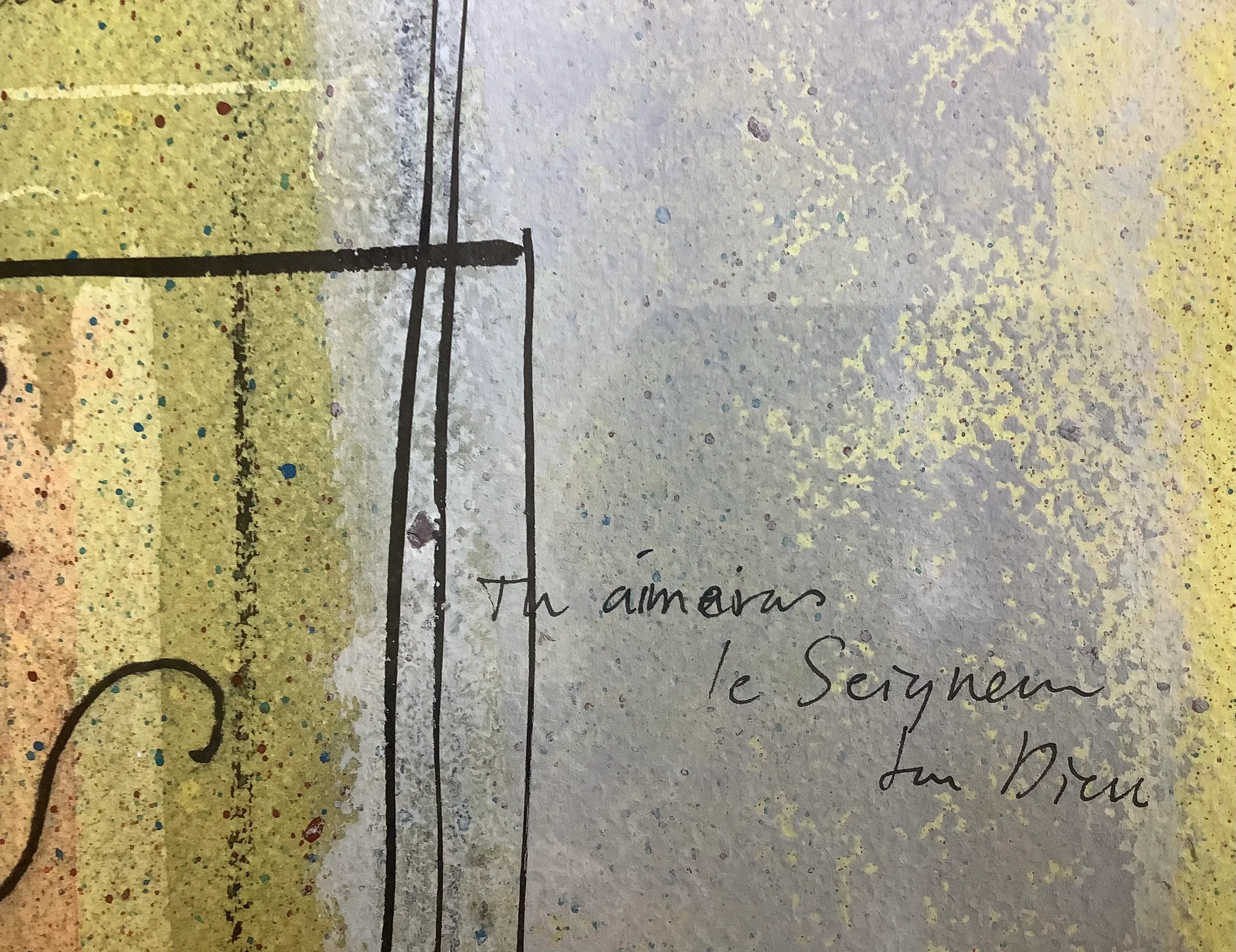
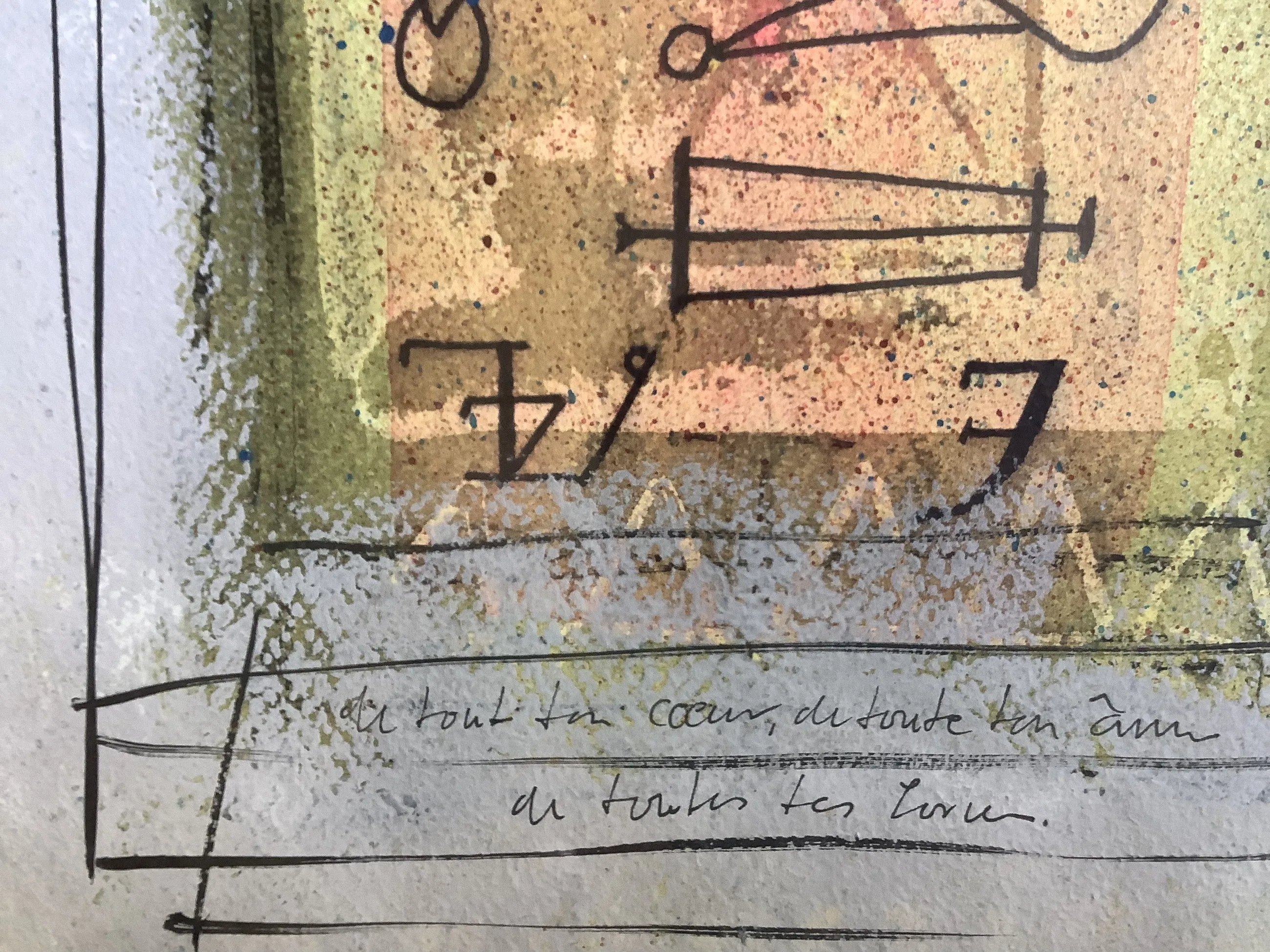
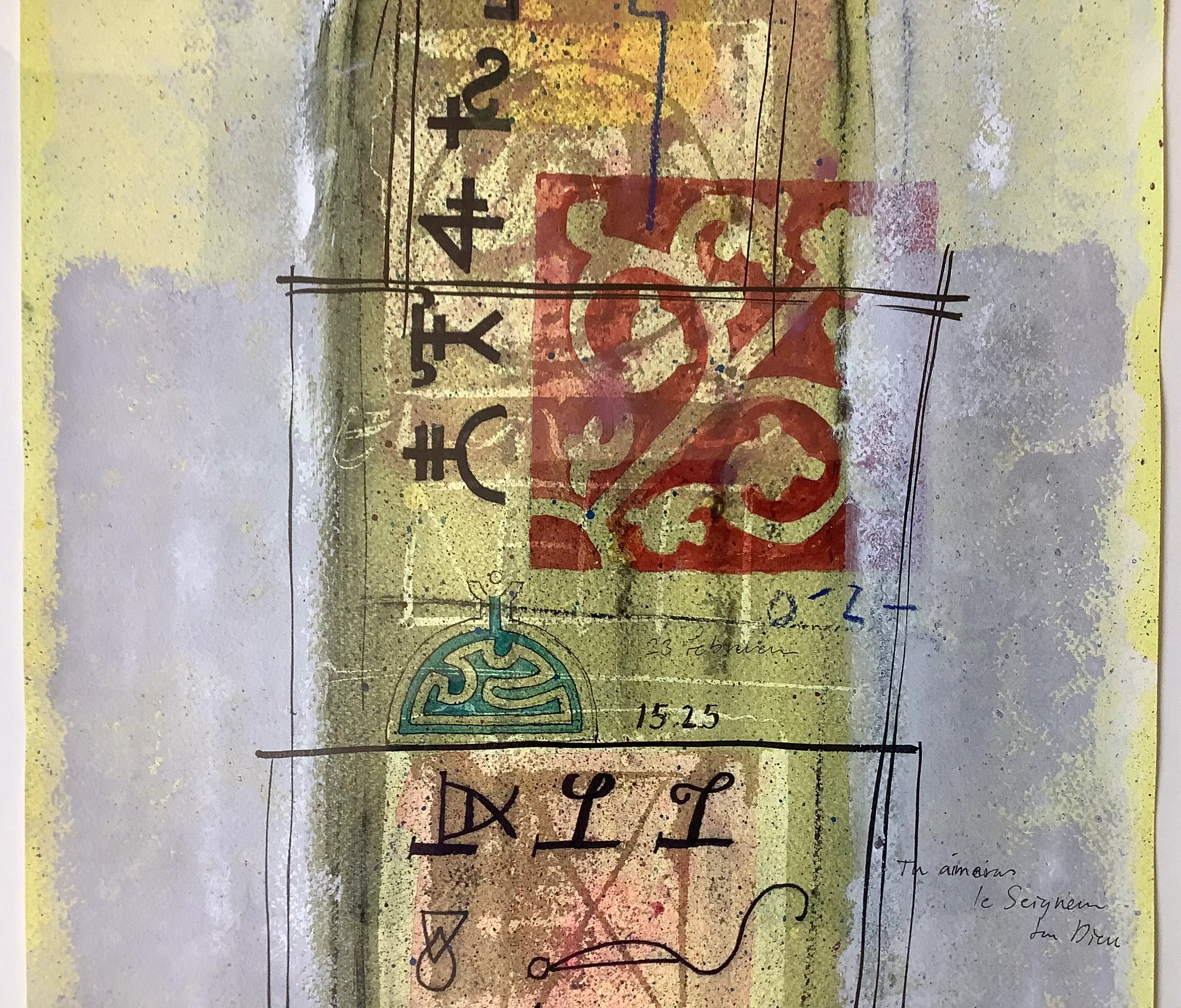
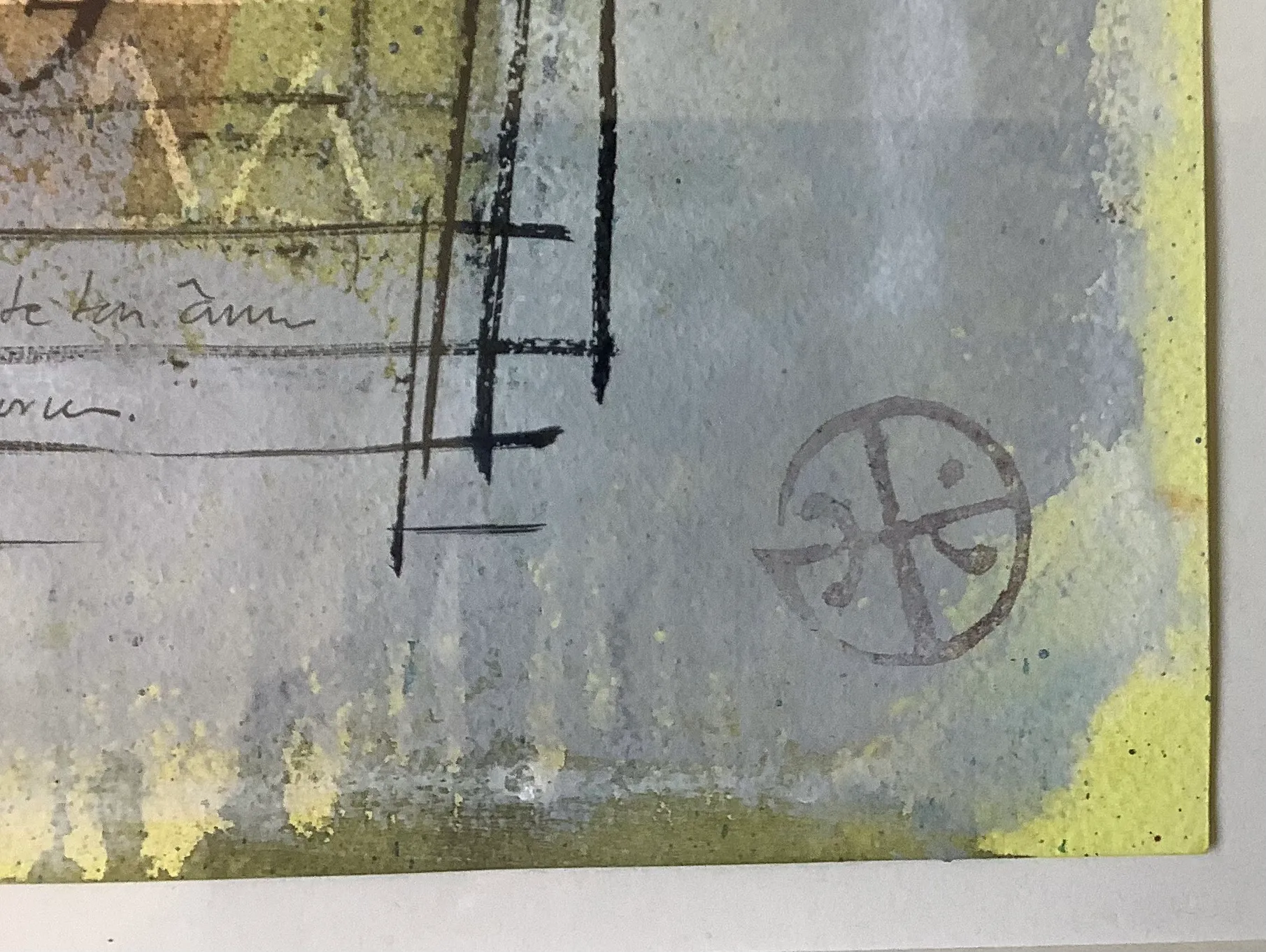
Hand-signed: Signature round stamp + annotation by the artist including the date February 23 with time.
Dimensions of the work : 69 x 34.5 cm
Frame dimensions: 89 x 52.5 cm.
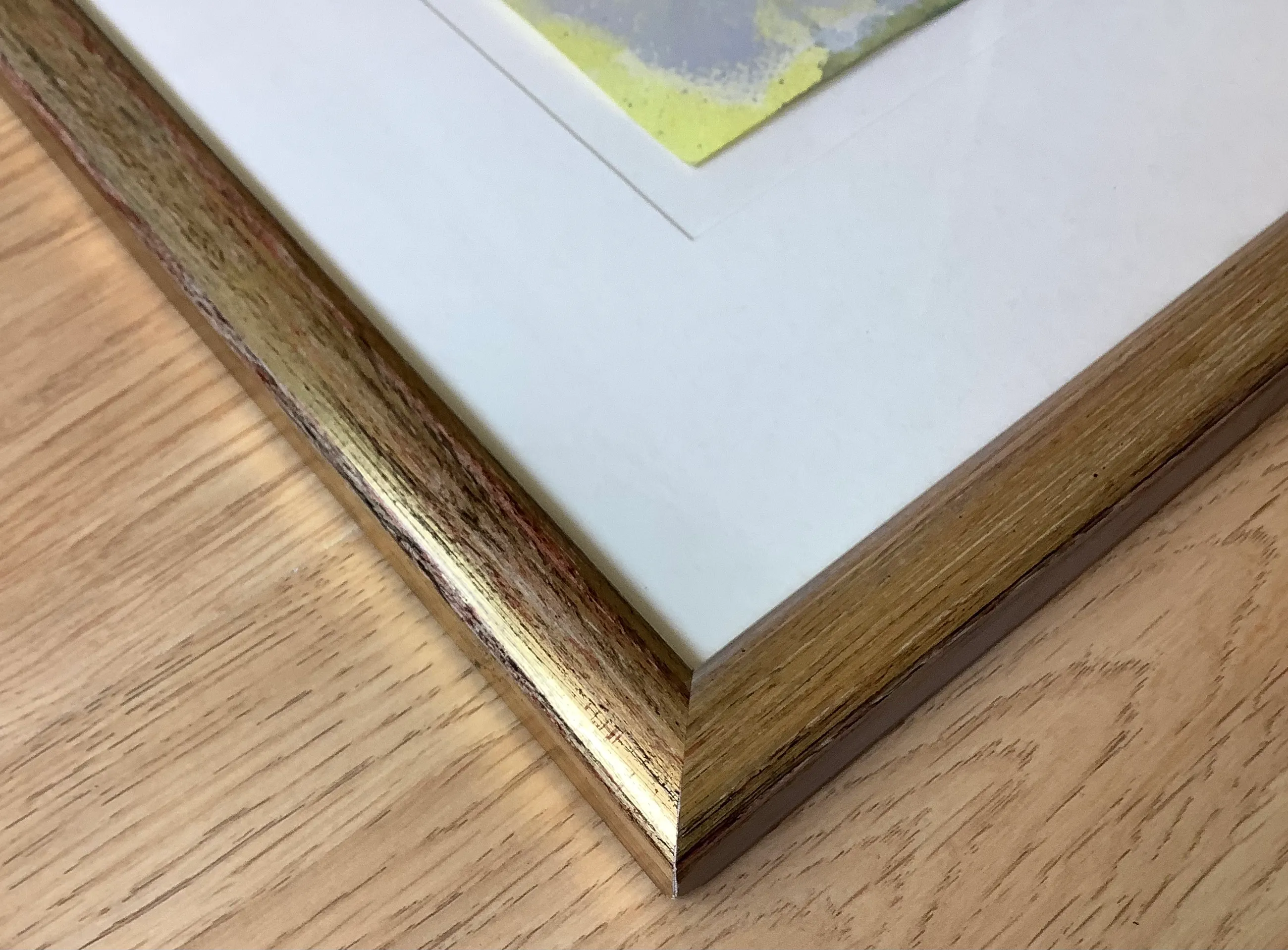
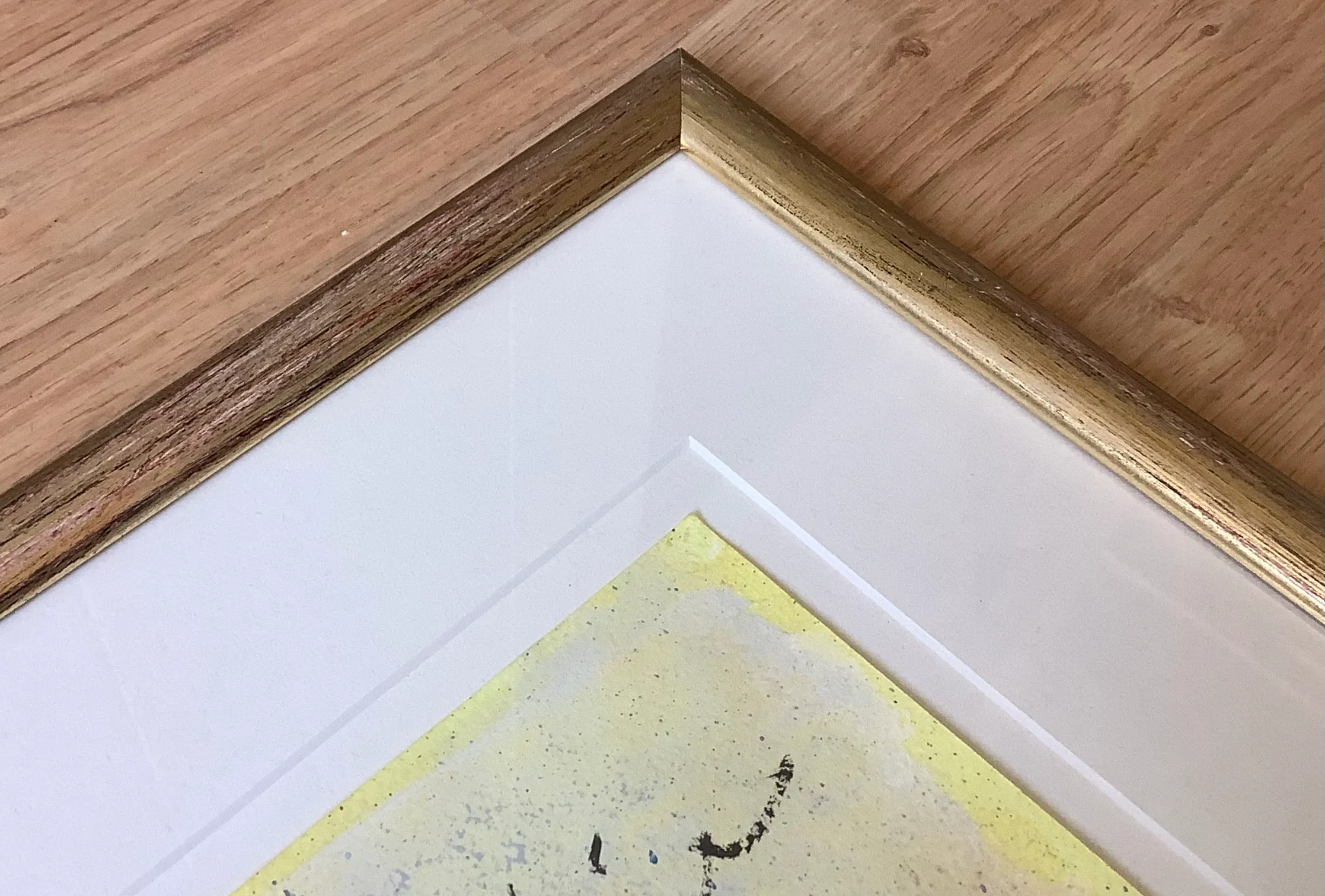
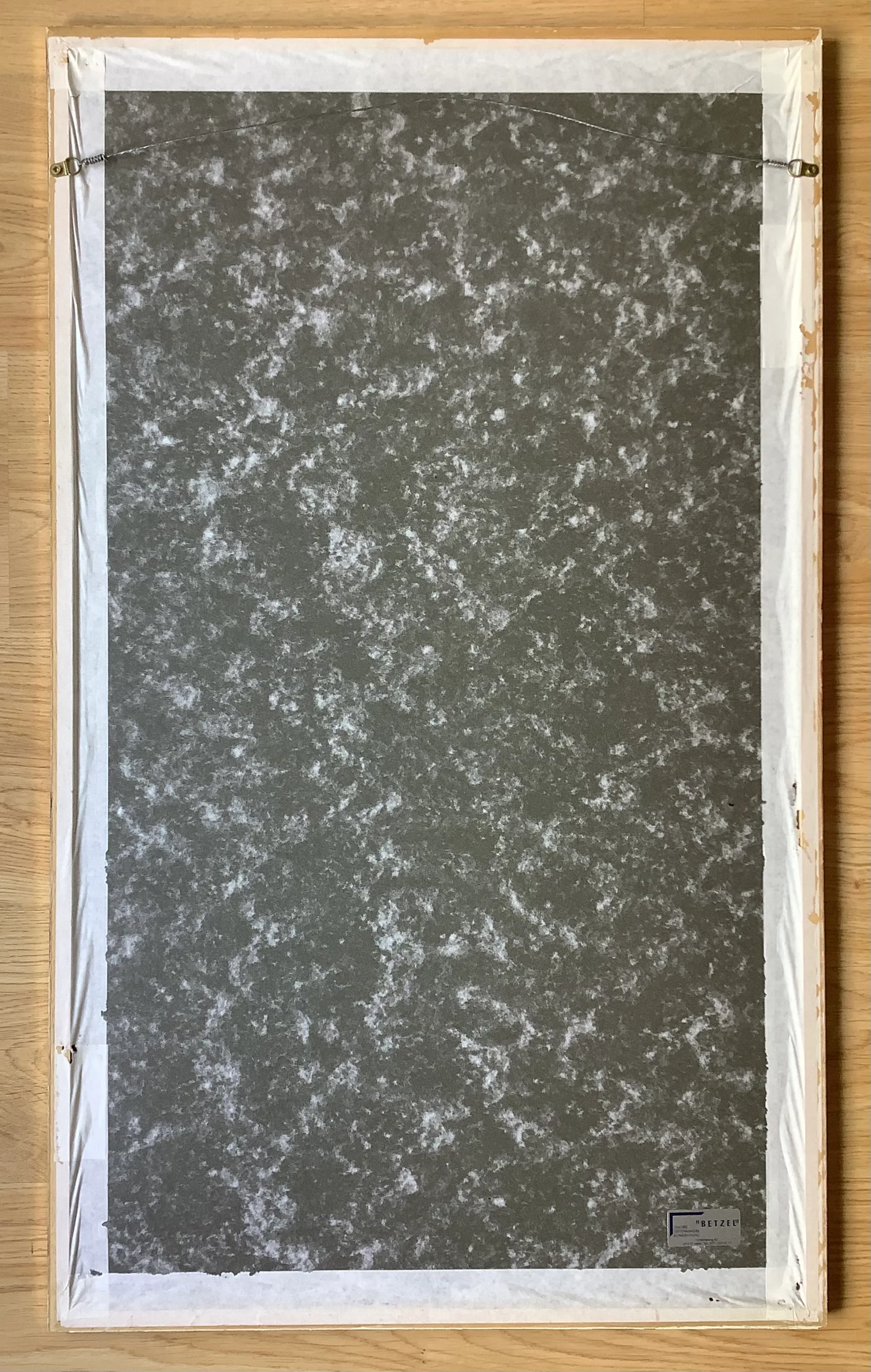
The work is floating-framed in a wooden, gold-brown, mottled frame. It is 2 cm wide and 2 cm high. It has a few small spots of wear and tear, see photos.
Background
This work comes from a long series of works that often also relate to personal experiences and interesting, or sometimes even shocking, events in my life.
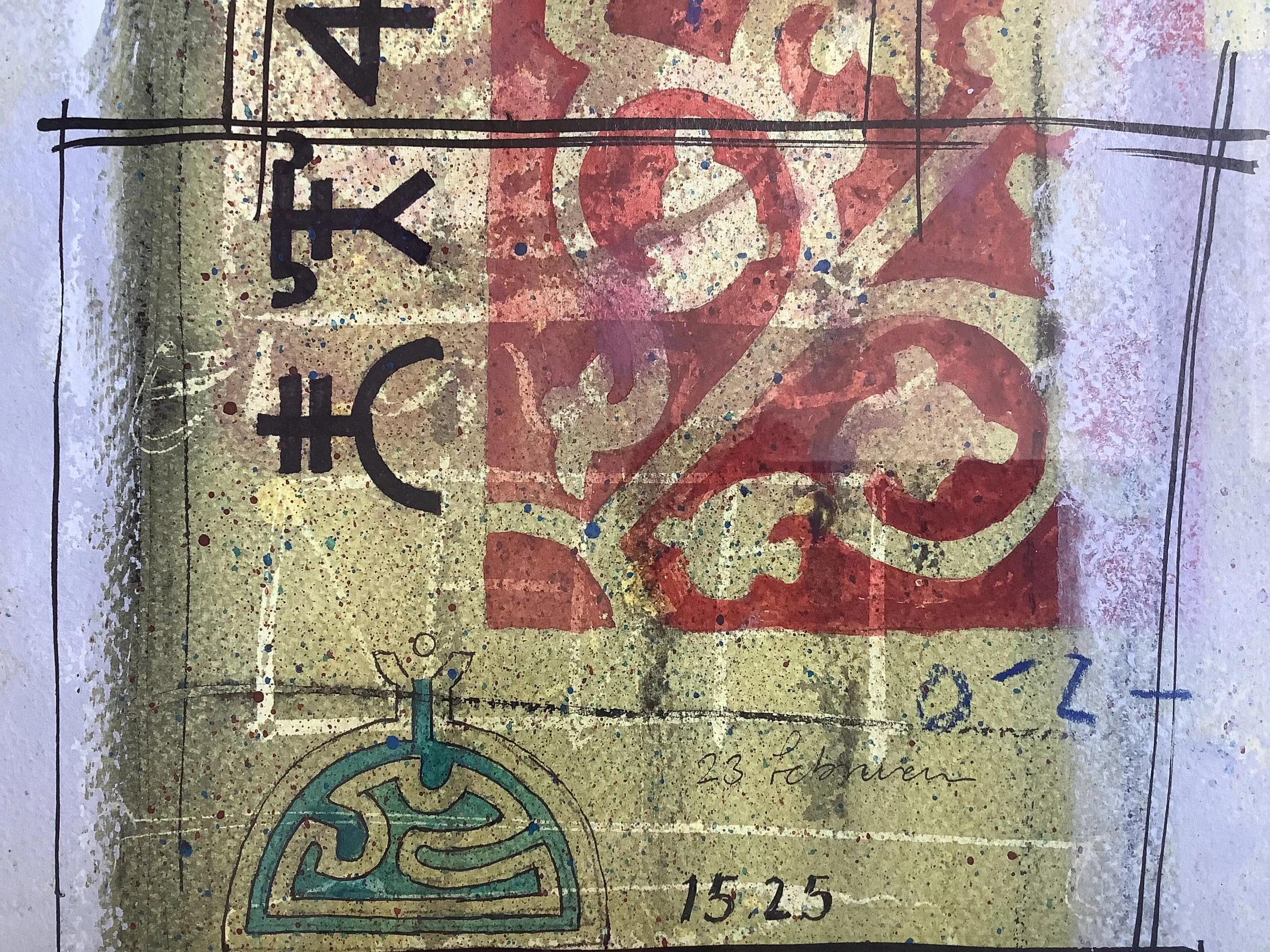
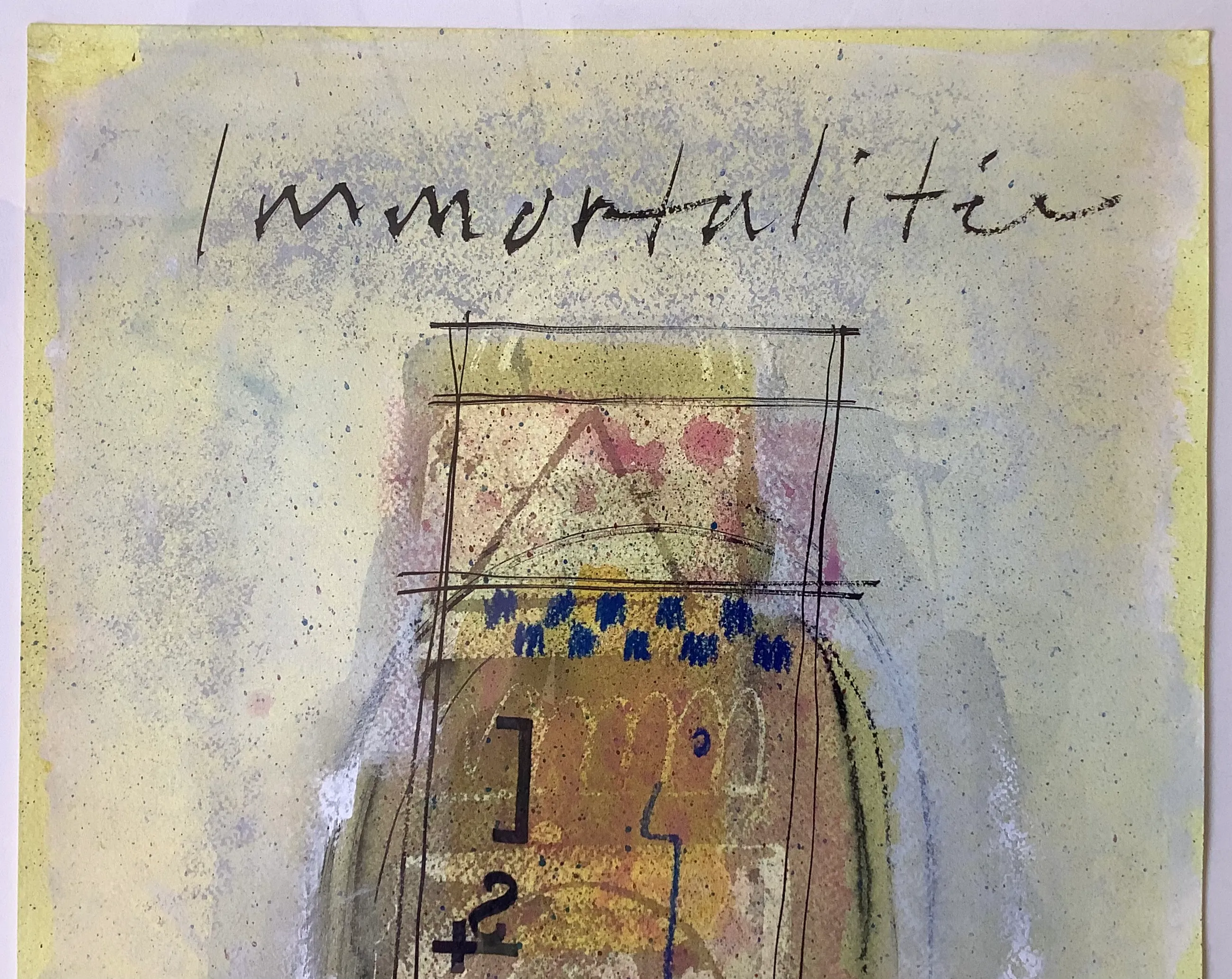
Immortalitie, literally meaning immortality, relates to the passing of a loved one on February 23 at 15:25. Much of the symbolism used stems from an in-depth study he conducted of alchemy and mysticism.
Driven by personal freedom and a preference for symbols and their graphic power, he has applied these in the work. Not everything requires an in-depth explanation but may remain hidden within the mood and atmosphere the work has acquired. Thus, as a viewer, you can gaze for a long time and ponder the questions the work raises within you from its very essence. Beautiful, colorful work by Leo Schepens, full of symbolism.
Leo Schepens (1953 - )
Leo Schepens graduated from the Gelderse Leergangen in Nijmegen as a teacher of Drawing, Painting, Crafts, and Art History. From 1984 to 2007, he was a teacher at the Novalis College in Eindhoven. Since 2007, he has been a full-time visual artist. Schepens' paintings are exhibited in various galleries both domestically and internationally.
The source of inspiration for most of the paintings is based on the many visits to the small Romanesque village churches in the French countryside (Haute Saintonge). Built in the Middle Ages (11th, 12th centuries), they defy time. This era has clearly left its mark on the structure. It is precisely this wear and tear, this “veil of time,” that became the inspiration for most of the paintings. Through the use of a wide variety of materials, including non-classical materials such as sand, textiles, plaster, or clay, the work acquires a skin that shows traces of wear and weathering.
A fascination with signs and symbols of various origins forms an important foundation in the paintings. These are usually applied in an intuitive manner. Strikingly often, the paintings are created within a central composition; as if we are stepping into a world that is alien to us and to which we must find a relationship. Outside our daily world of a physical and material nature, another world is at work that is far larger and more expansive. We become aware of something of this world when we focus on, for example, philosophy, psychology, astrology, alchemy, anthroposophy, music, and mathematics. Last but not least, one could also include art in this list. The paintings offer us a glimpse into this other world. It is as if we are watching a process, a process that is still ongoing and of which we, as viewers, become participants. We are allowed to “watch” the process unfold, complete it, or continue to muse on what is taking place within the work.
With some works, the meaning only becomes clear after looking and considering for a while. Other works, on the other hand, remain for longer an enigmatic composition of symbols and signs, challenging us to solve this puzzle.
The mixed-media paintings of Antoni Tàpies (Barcelona 1923-2012) are a major source of inspiration for Leo and guide the creative process of his work. A traditional canvas is stretched over a frame, often glued with paper. Layer upon layer, the canvas is worked with pastes composed by himself of, among other things, paint, sand, and synthetic resins. In daily practice, he works on various types of paper. He also increasingly uses packaging cardboard and other humble materials. While working, he is regularly inspired by special music from, among others, Dead Can Dance, Sainte Colombe, and Bach cantatas. Something of what one can experience in this music can also be found in the visual language of the paintings.
Leo Schepens signs his work with a fixed stamp (on this work in the bottom right, the round circle).
Year: Period 2002-2010
Edition: Unique
Hand-signed: Signature round stamp + annotation by the artist including the date February 23 with time.
Dimensions of the work : 69 x 34.5 cm
Frame dimensions: 89 x 52.5 cm.
The work is floating-framed in a wooden, gold-brown, mottled frame. It is 2 cm wide and 2 cm high. It has a few small spots of wear and tear, see photos.
Background
This work comes from a long series of works that often also relate to personal experiences and interesting, or sometimes even shocking, events in my life.
Immortalitie, literally meaning immortality, relates to the passing of a loved one on February 23 at 15:25. Much of the symbolism used stems from an in-depth study he conducted of alchemy and mysticism.
Driven by personal freedom and a preference for symbols and their graphic power, he has applied these in the work. Not everything requires an in-depth explanation but may remain hidden within the mood and atmosphere the work has acquired. Thus, as a viewer, you can gaze for a long time and ponder the questions the work raises within you from its very essence. Beautiful, colorful work by Leo Schepens, full of symbolism.
Leo Schepens (1953 - )
Leo Schepens graduated from the Gelderse Leergangen in Nijmegen as a teacher of Drawing, Painting, Crafts, and Art History. From 1984 to 2007, he was a teacher at the Novalis College in Eindhoven. Since 2007, he has been a full-time visual artist. Schepens' paintings are exhibited in various galleries both domestically and internationally.
The source of inspiration for most of the paintings is based on the many visits to the small Romanesque village churches in the French countryside (Haute Saintonge). Built in the Middle Ages (11th, 12th centuries), they defy time. This era has clearly left its mark on the structure. It is precisely this wear and tear, this “veil of time,” that became the inspiration for most of the paintings. Through the use of a wide variety of materials, including non-classical materials such as sand, textiles, plaster, or clay, the work acquires a skin that shows traces of wear and weathering.
A fascination with signs and symbols of various origins forms an important foundation in the paintings. These are usually applied in an intuitive manner. Strikingly often, the paintings are created within a central composition; as if we are stepping into a world that is alien to us and to which we must find a relationship. Outside our daily world of a physical and material nature, another world is at work that is far larger and more expansive. We become aware of something of this world when we focus on, for example, philosophy, psychology, astrology, alchemy, anthroposophy, music, and mathematics. Last but not least, one could also include art in this list. The paintings offer us a glimpse into this other world. It is as if we are watching a process, a process that is still ongoing and of which we, as viewers, become participants. We are allowed to “watch” the process unfold, complete it, or continue to muse on what is taking place within the work.
With some works, the meaning only becomes clear after looking and considering for a while. Other works, on the other hand, remain for longer an enigmatic composition of symbols and signs, challenging us to solve this puzzle.
The mixed-media paintings of Antoni Tàpies (Barcelona 1923-2012) are a major source of inspiration for Leo and guide the creative process of his work. A traditional canvas is stretched over a frame, often glued with paper. Layer upon layer, the canvas is worked with pastes composed by himself of, among other things, paint, sand, and synthetic resins. In daily practice, he works on various types of paper. He also increasingly uses packaging cardboard and other humble materials. While working, he is regularly inspired by special music from, among others, Dead Can Dance, Sainte Colombe, and Bach cantatas. Something of what one can experience in this music can also be found in the visual language of the paintings.
Leo Schepens signs his work with a fixed stamp (on this work in the bottom right, the round circle).
| Condition | |||||||||
| Condition | Very good | ||||||||
| Shipment | |||||||||
| Pick up | The work can be picked up on location. As a buyer you must bring your own packaging materials. The location is: Bergen op zoom, The Netherlands | ||||||||
| Shipment | Parcel post Please note: When shipping via parcel post, glass breakage is at the buyer's risk. | ||||||||
| Price | Up to 10 kg.
| ||||||||
| Guarantee | |||||||||
| Guarantee | By putting the item up for auction, I agree with the Terms of Guarantee as they are applicable at Kunstveiling regarding the accuracy of the description of the item | ||||||||
| Consumer law | This seller has indicated that they are a private seller. Therefore, consumer law does not apply. Read more | ||||||||
The seller takes full responsibility for this item. Kunstveiling only provides the platform to facilitate this transaction, which has to be settled directly with the seller. More information .
Leo Schepens (1953)
 Dutch
Dutch N
Niv001 The Netherlands
2020 | |
157 sold | 6 followers |
52.5 cm
89 cm
34.5 cm
69 cm