Silvin Bronkart - Seated Man - Large abstract composition from 1955 - Sold
This item has been sold Show item
| Pick up | Yes, possible |
| Location | Batalha, Portugal |
Auction details
| Start time | 6-5-2026 at 10:08 |
| End time | 25-5-2026 at 21:15 |
Bids (1)
Log in or register to view the bidding history T
The-Nomad-Gallery Portugal
2025 | |
44 sold | 2 followers |
- Description
- Silvin Bronkart (1915-1970)
| Type of artwork | Drawing / Aquarelle |
| Year | 1955 |
| Technique | Charcoal |
| Support | Paper |
| Style | Abstract |
| Subject | Abstract |
| Framed | Not framed |
| Dimensions | 71.5 x 54.5 cm (h x w) |
| Signed | Unsigned |
Translated with Google Translate. Original text show .
Artist: Silvin Bronkart (1915-1967) Belgian Abstract School
Title: Seated Man Date: 1955
Technique: Graphite pencil on thick laid paper
Dimensions: 71.5 × 54.5 cm (sheet)
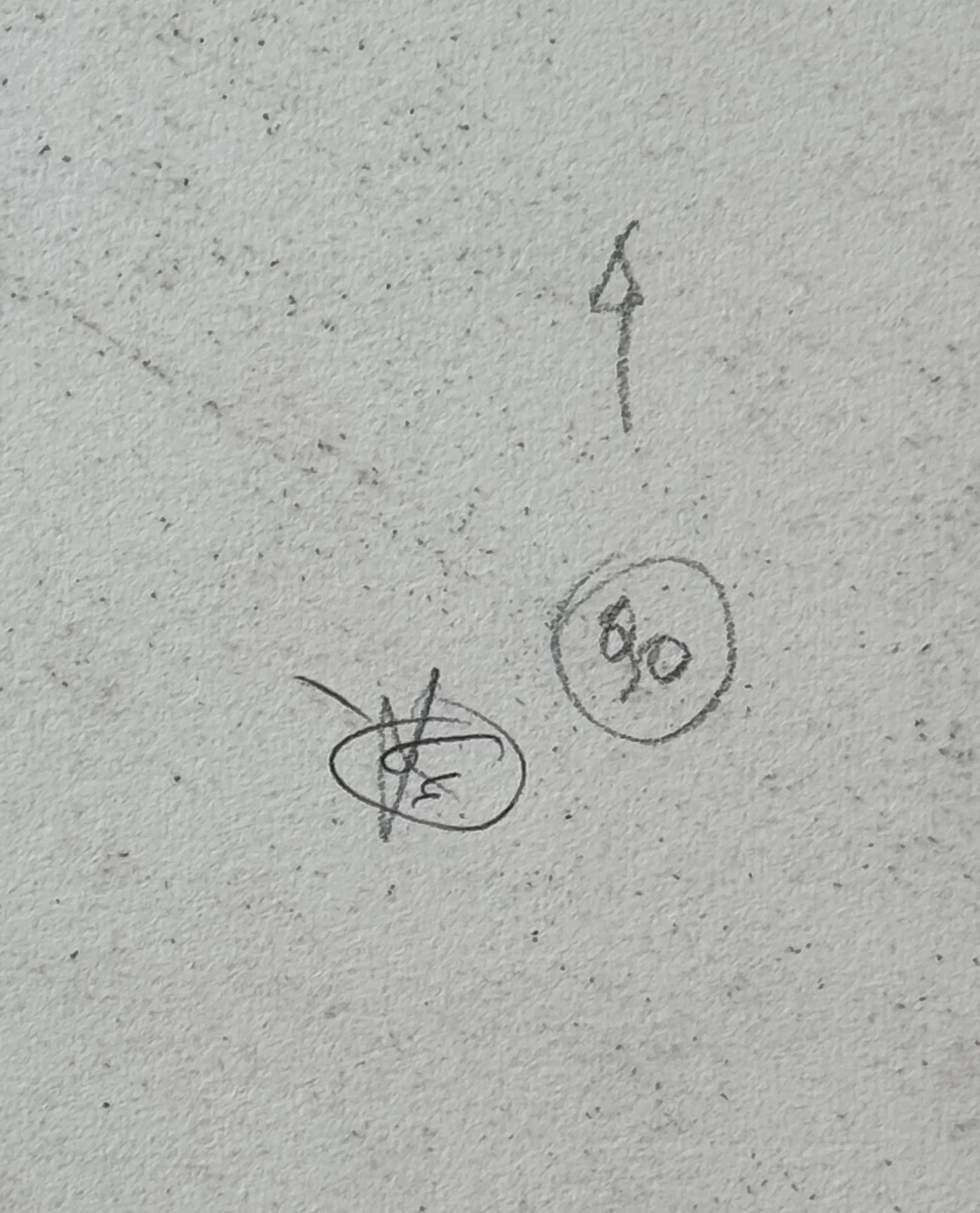
Inscriptions: On the reverse, handwritten annotations by the artist
Provenance: Directly from the artist's daughter
Reference: Listed in the artist's online catalogue raisonné (art-info.be)
Link: https://art-info.be/oeuvres/sans-titre-3784
Framing: Sold unframed
Description
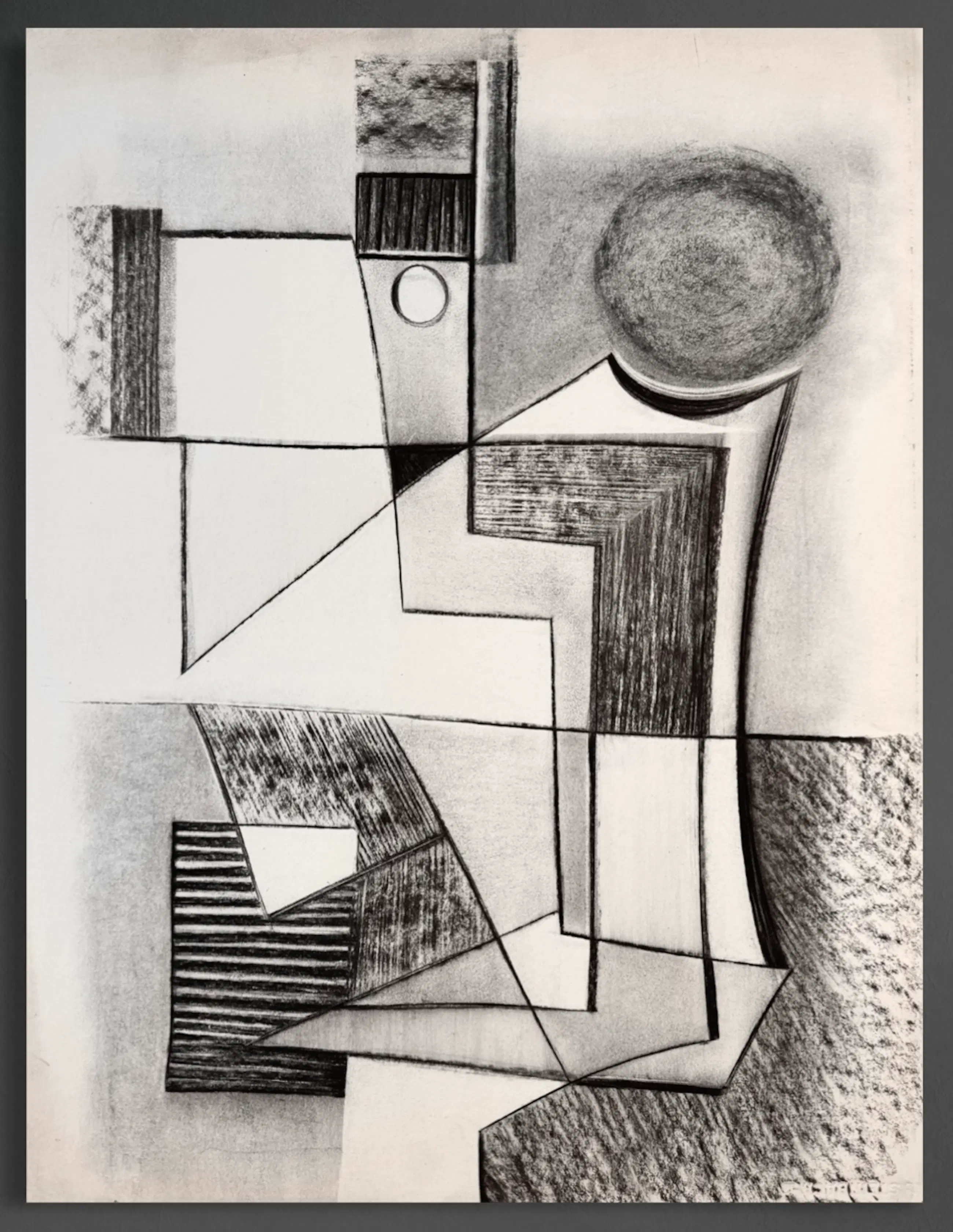
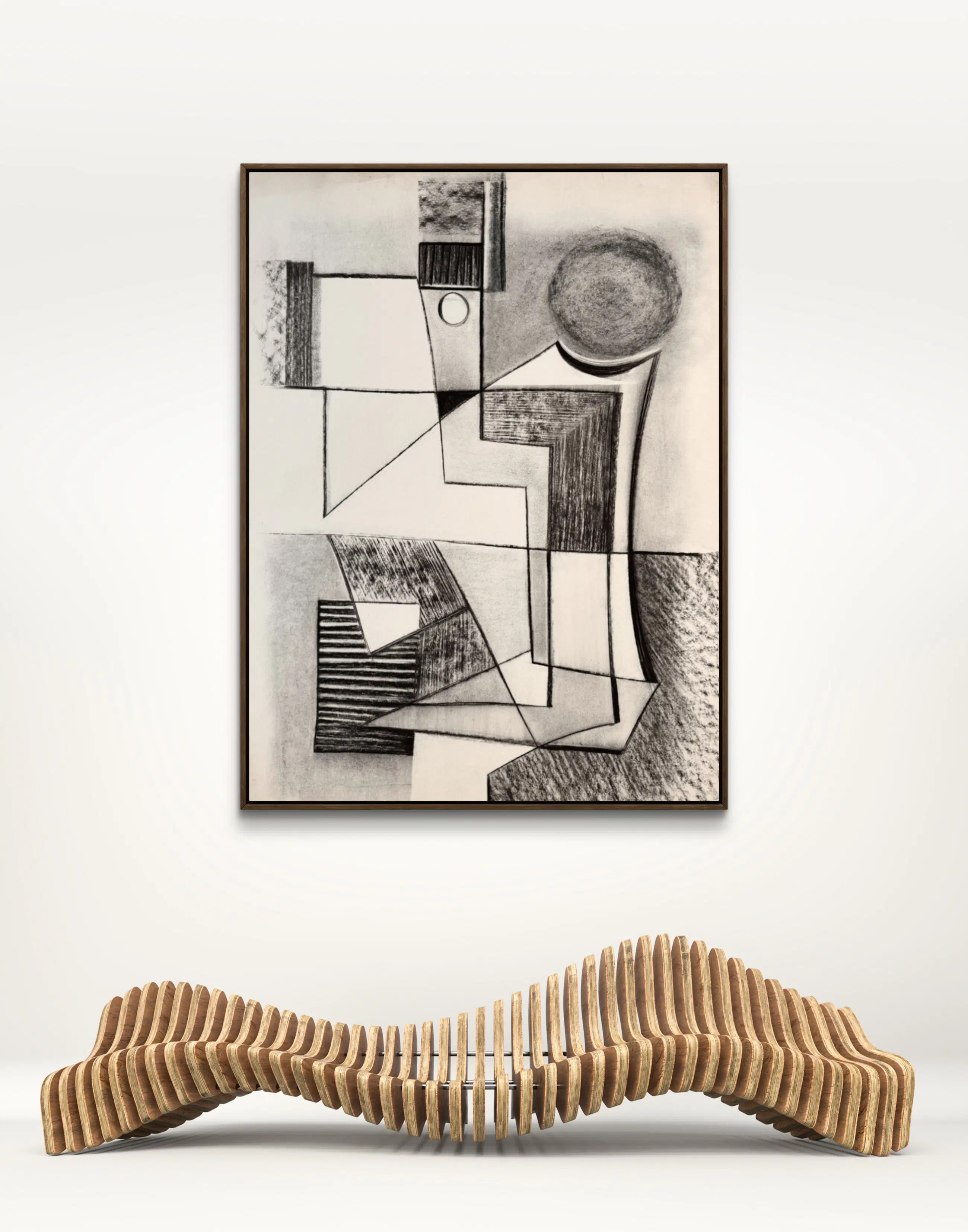
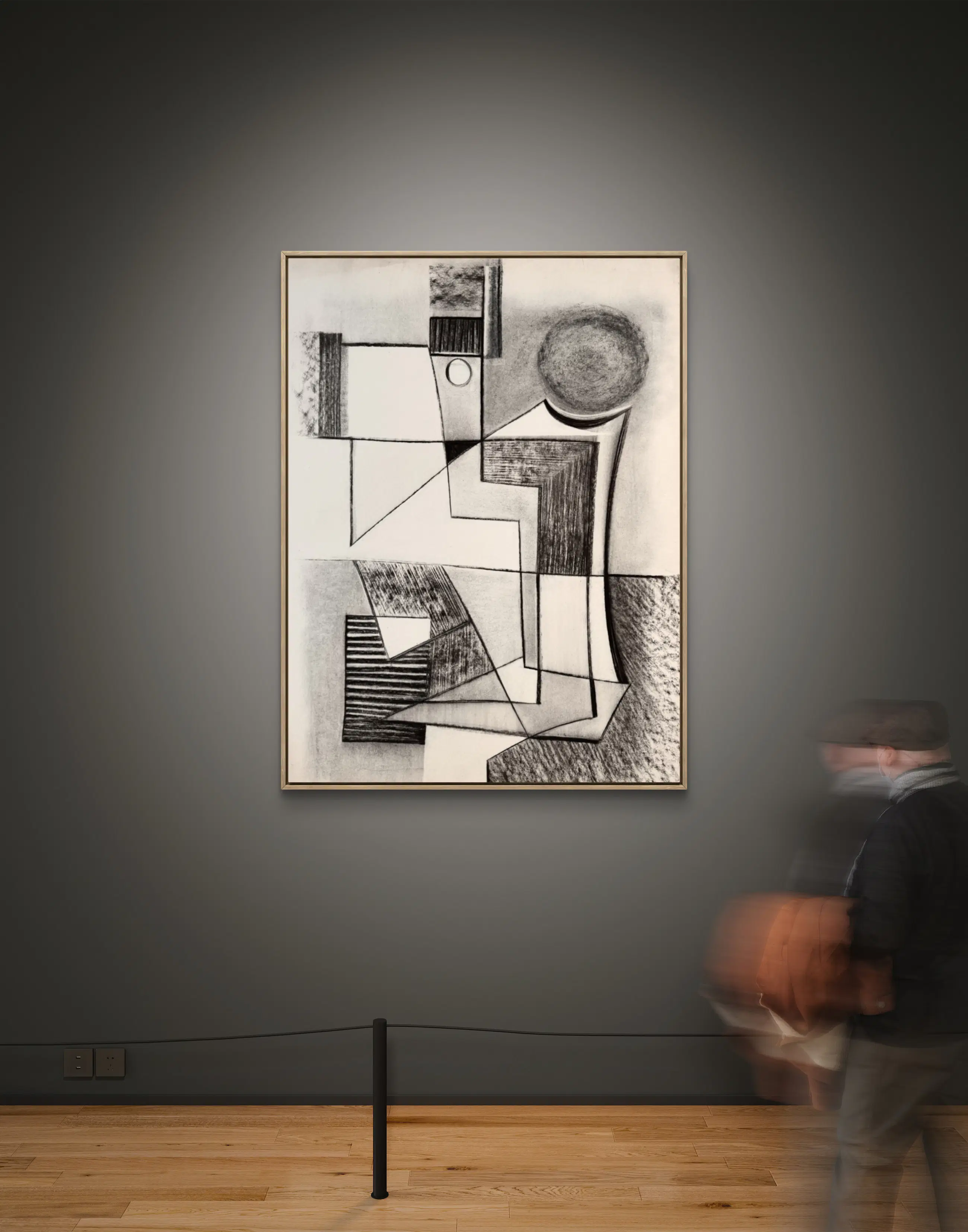
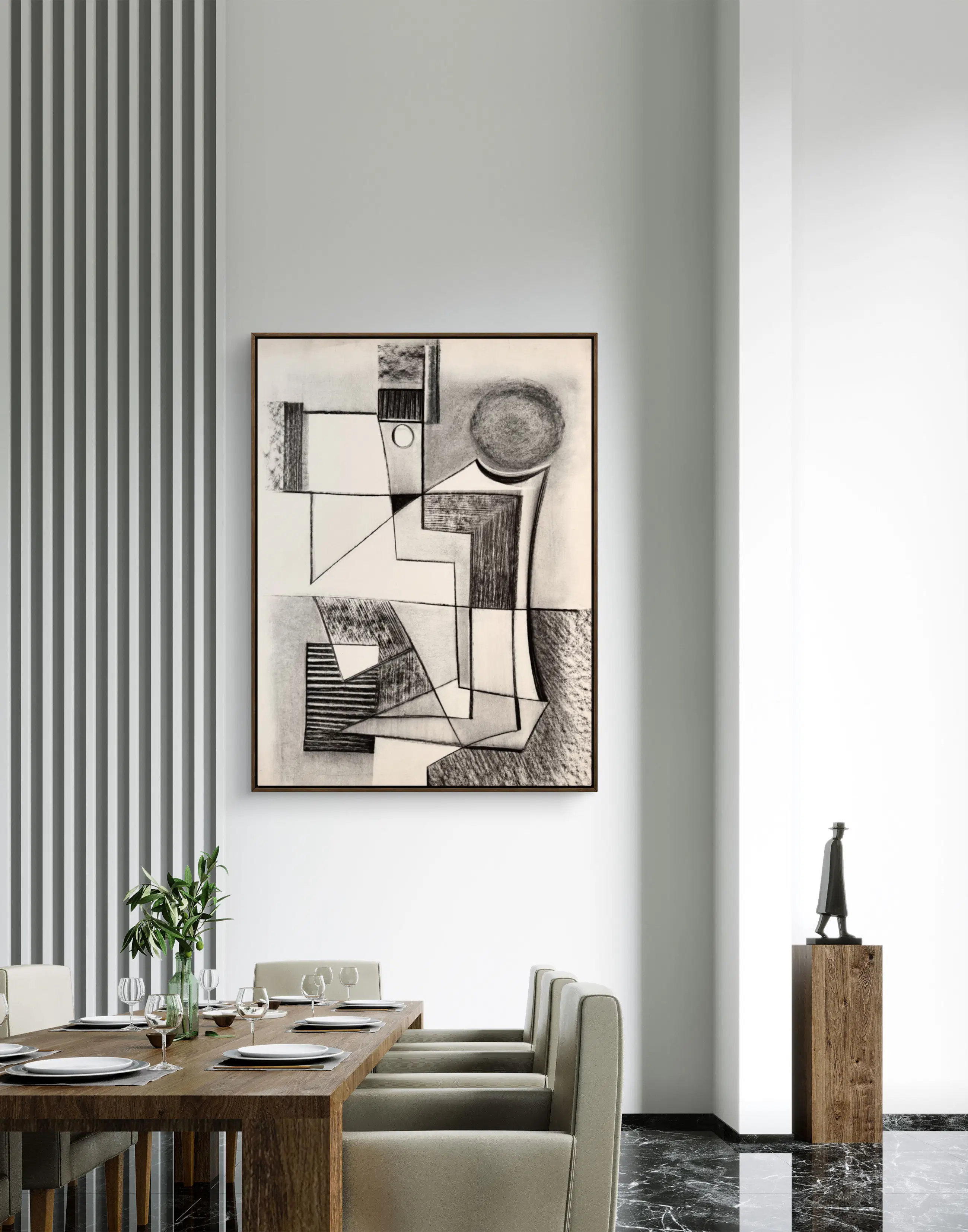
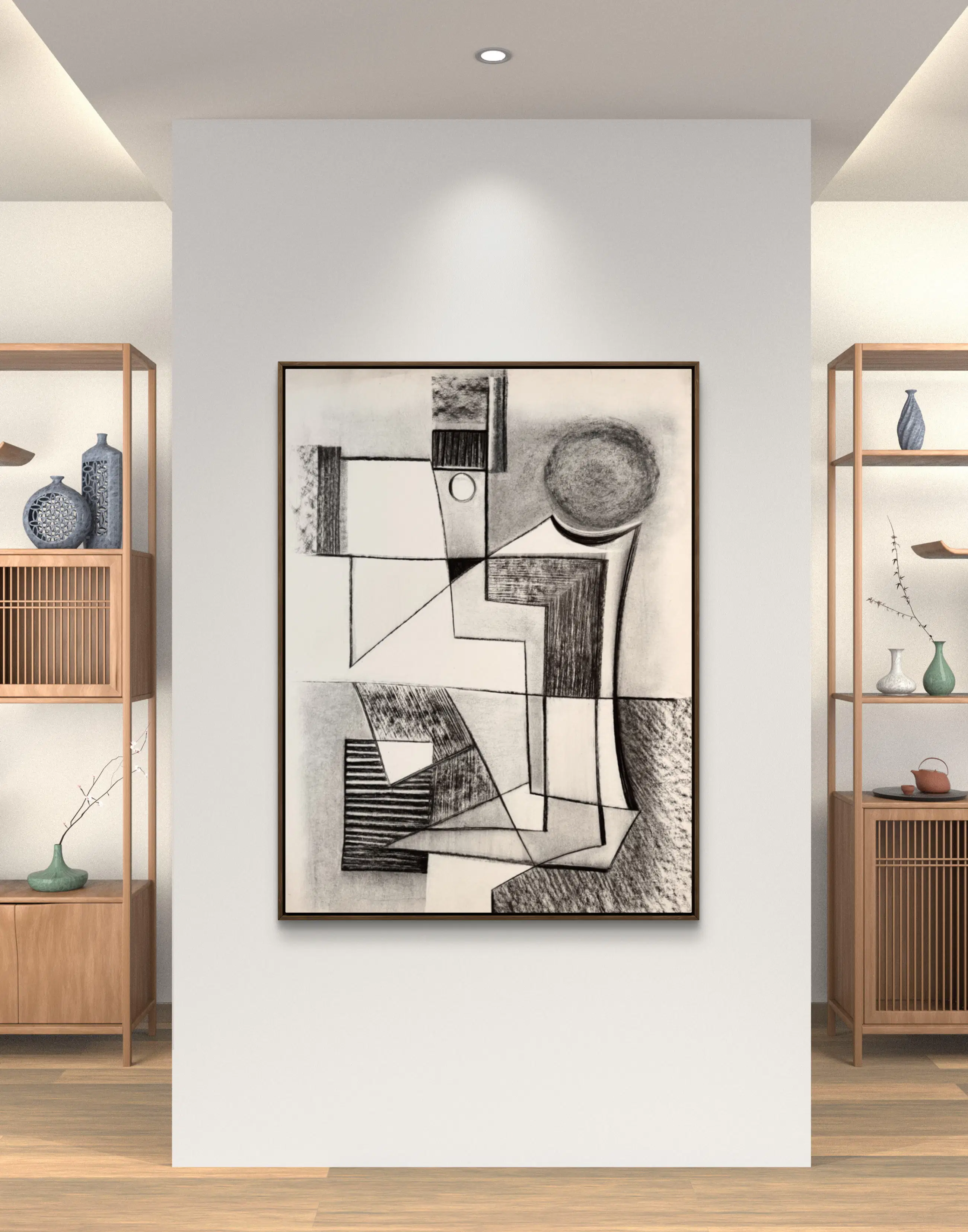
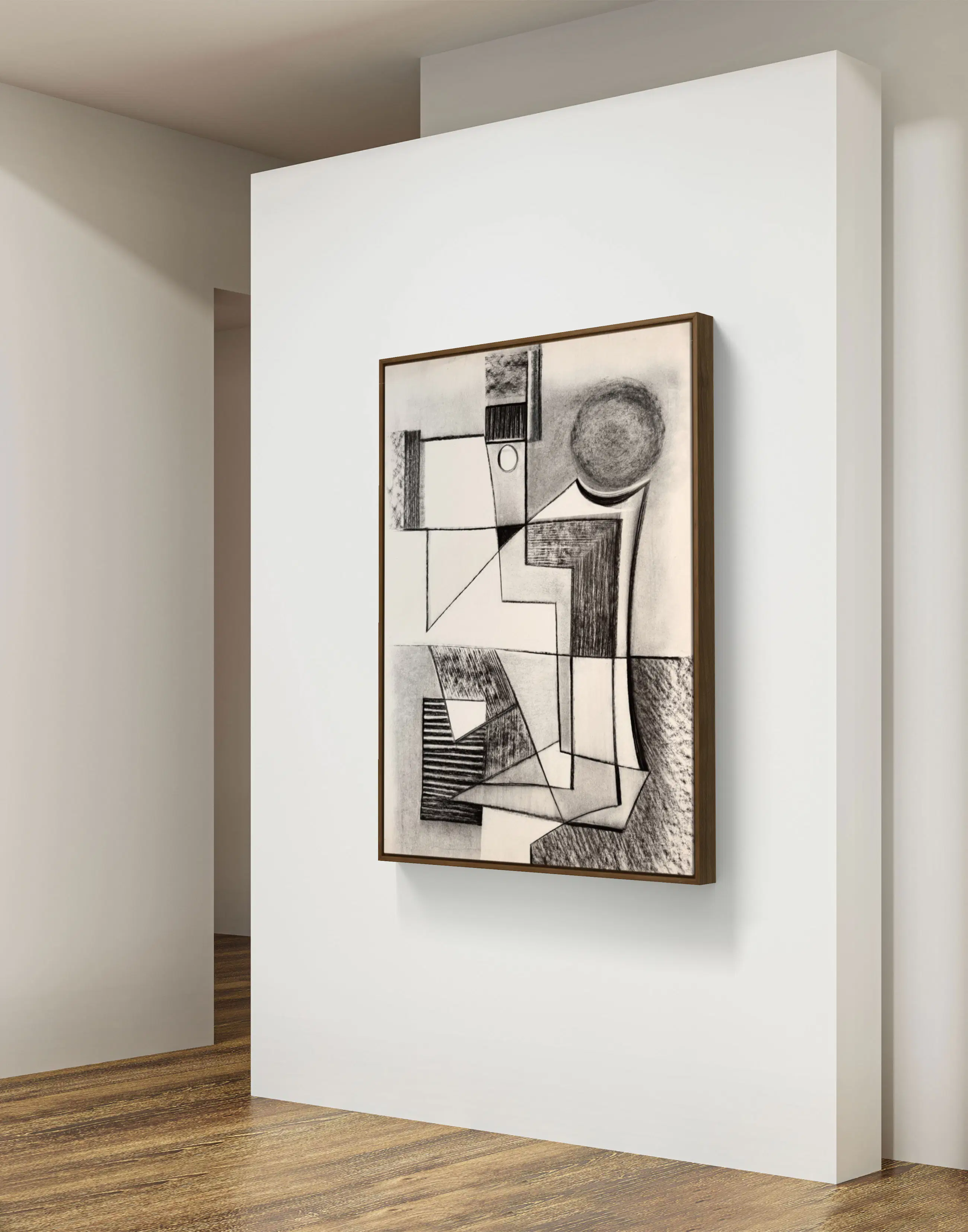
A major work from Silvin Bronkart's full maturity, this large composition on paper from 1955 powerfully embodies his abstract geometric and rhythmic language.
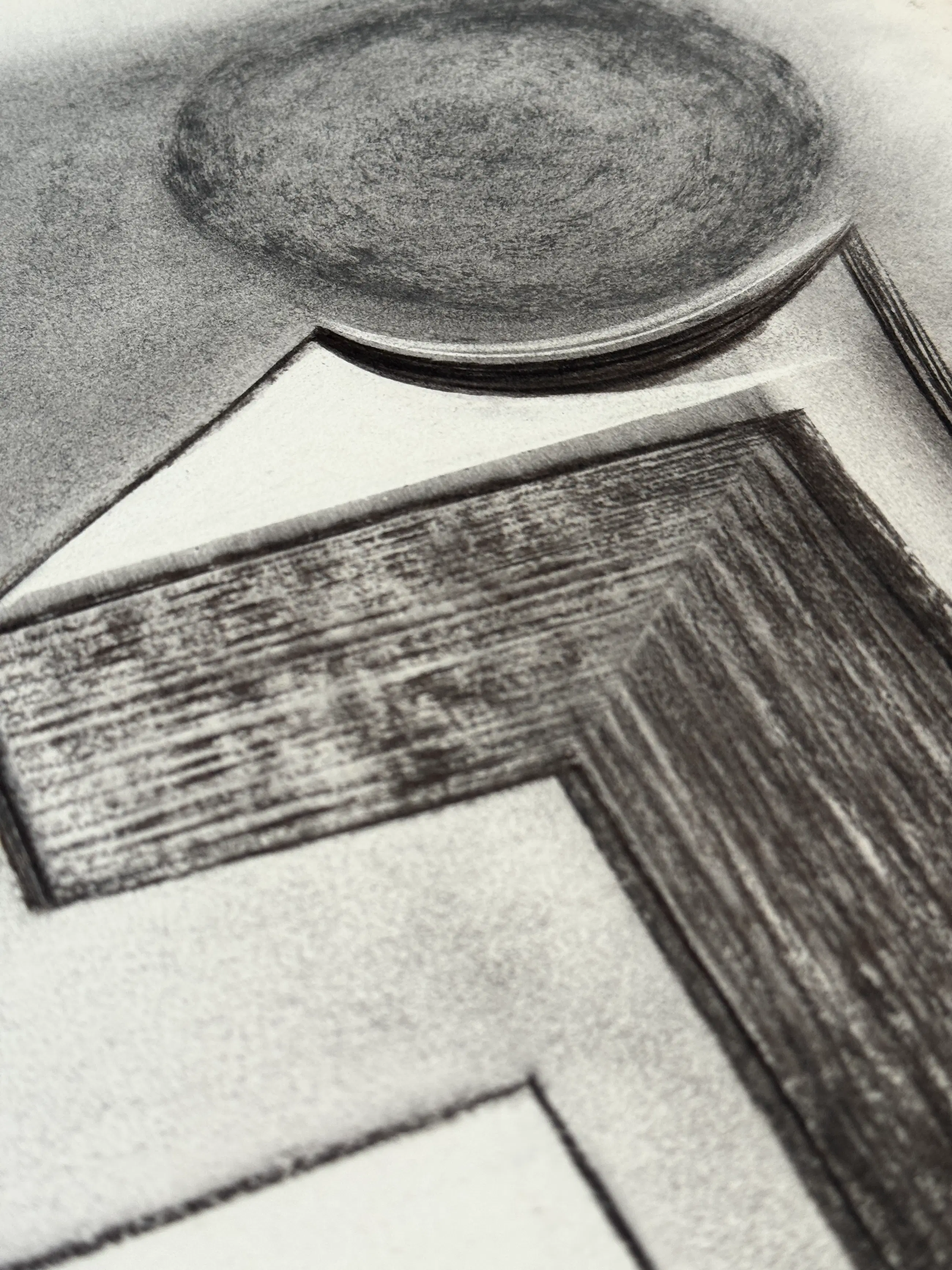
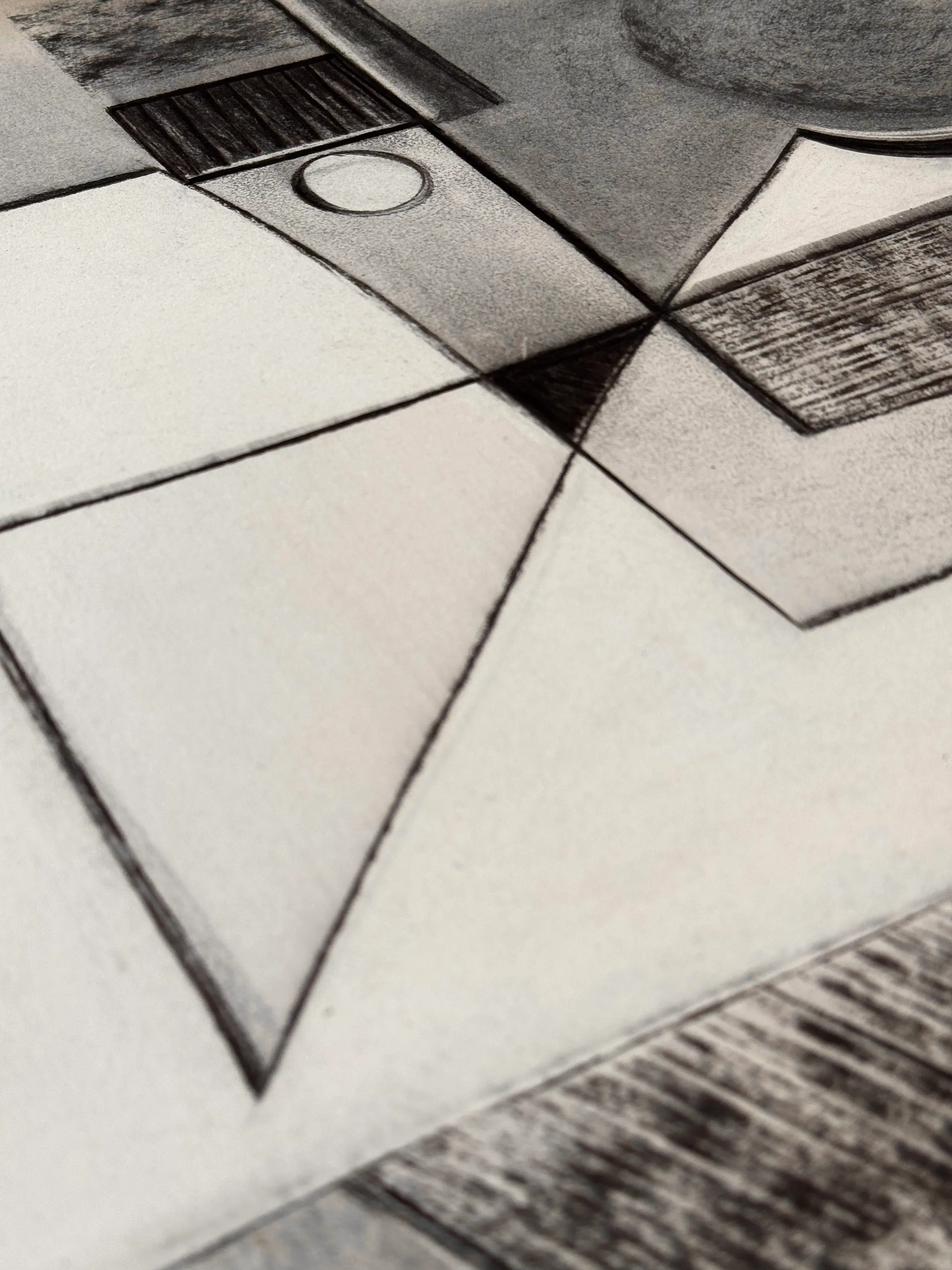
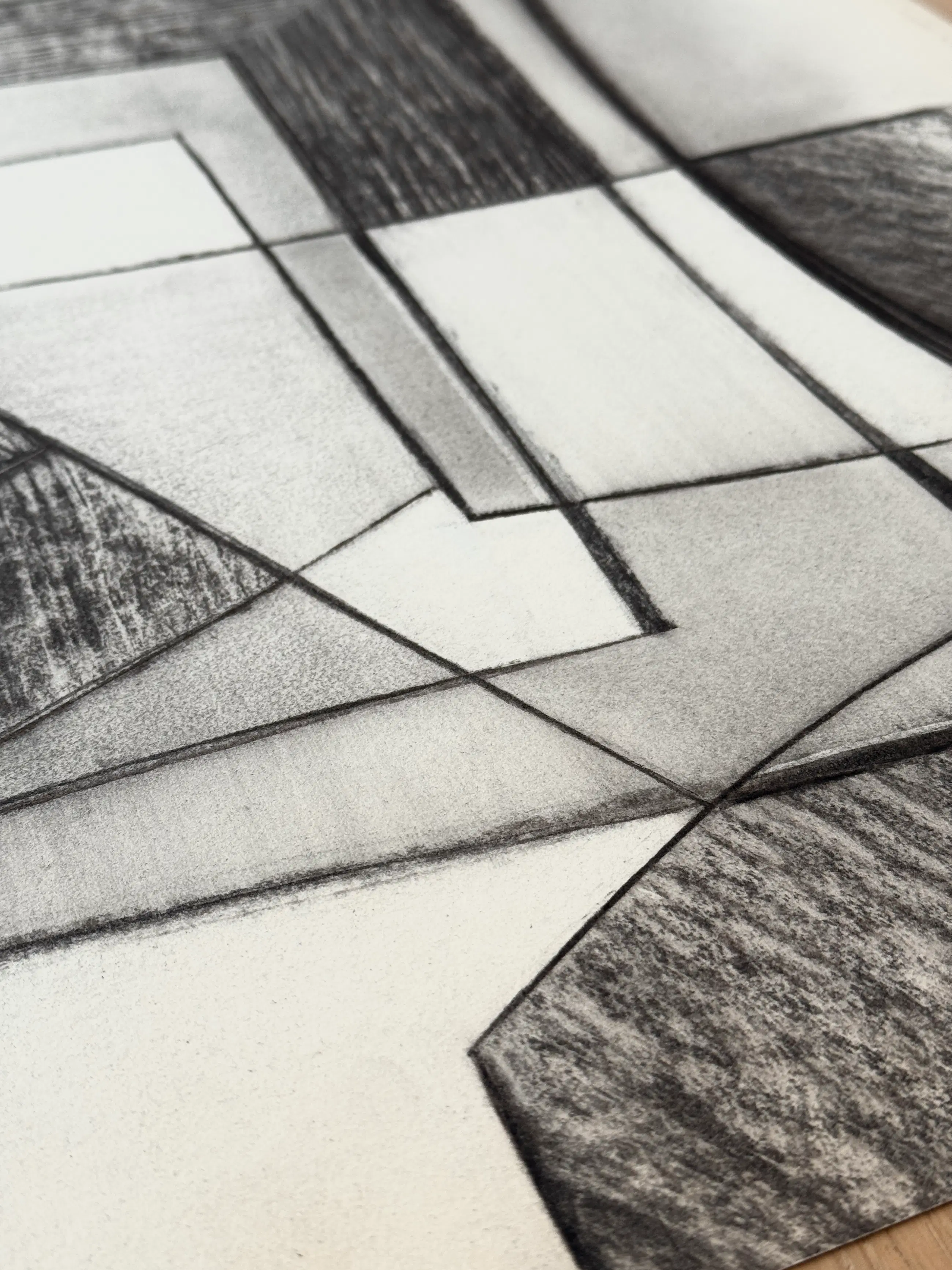
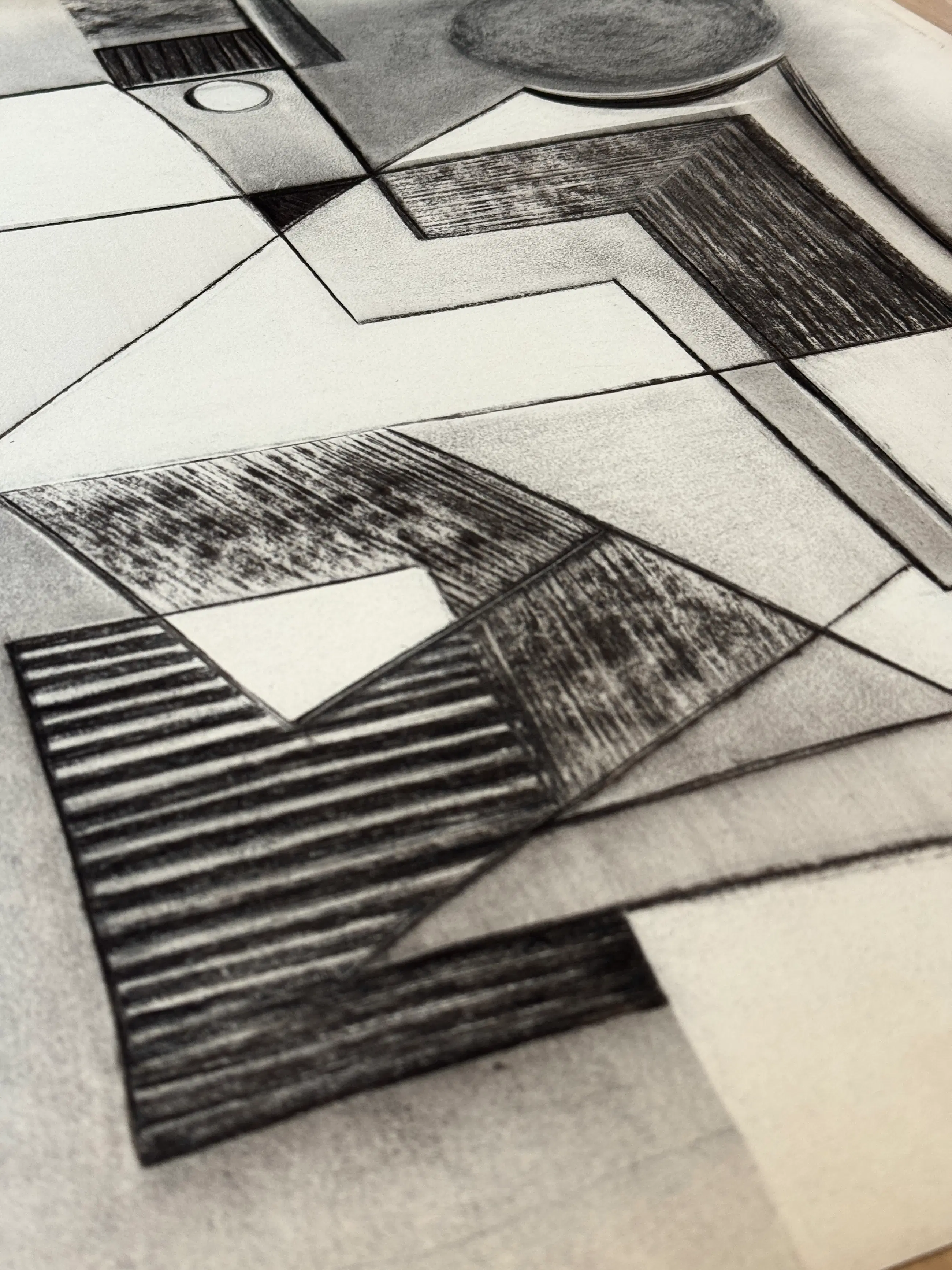
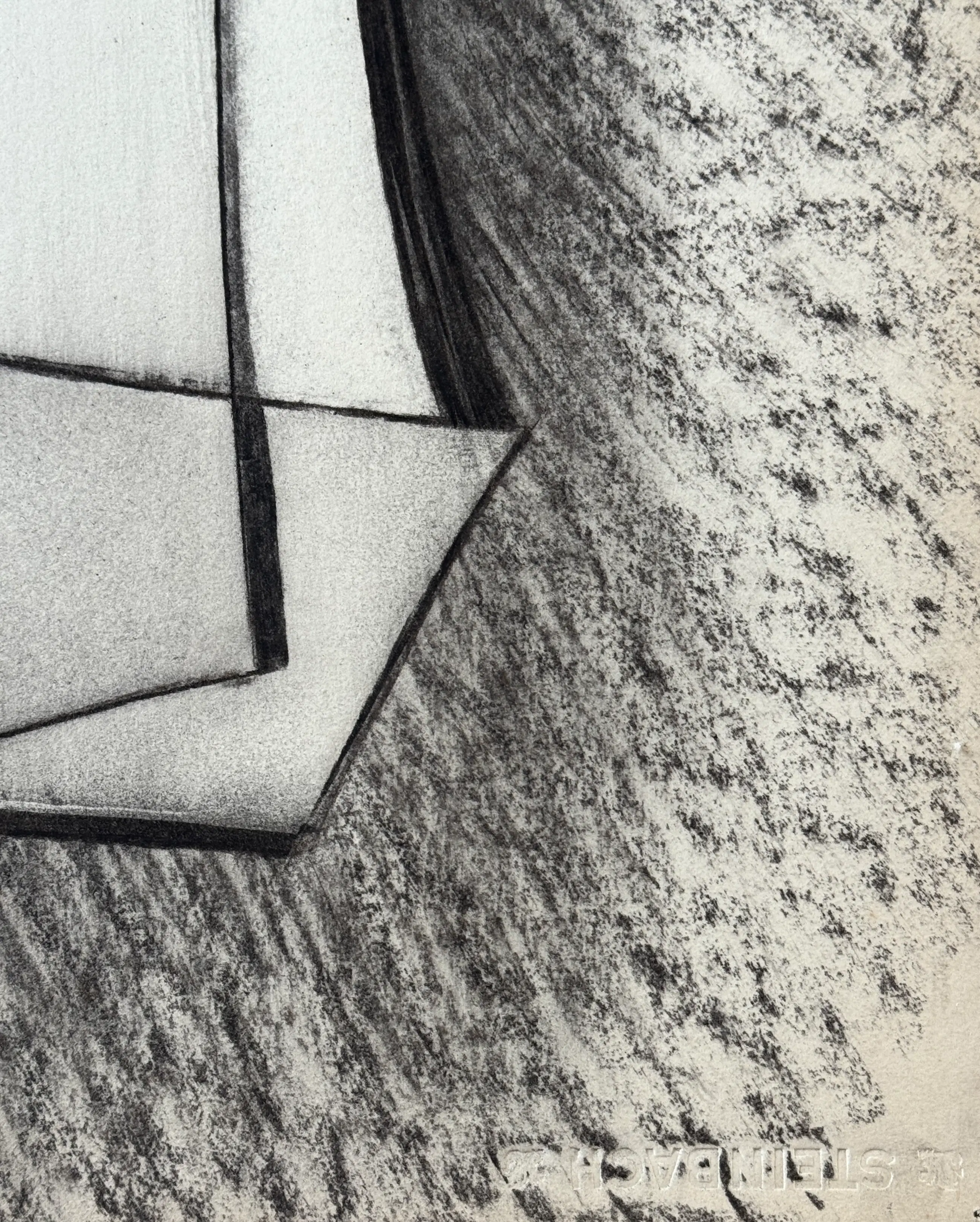
A dense network of oblique planes and broken lines structures the space, creating a dynamic, almost architectural atmosphere. In the center-right, a large, graphite-shaded circle dominates, both solar and mineral, which seems to float above an angular, zigzag shape evoking a moving silhouette or a futuristic construction.
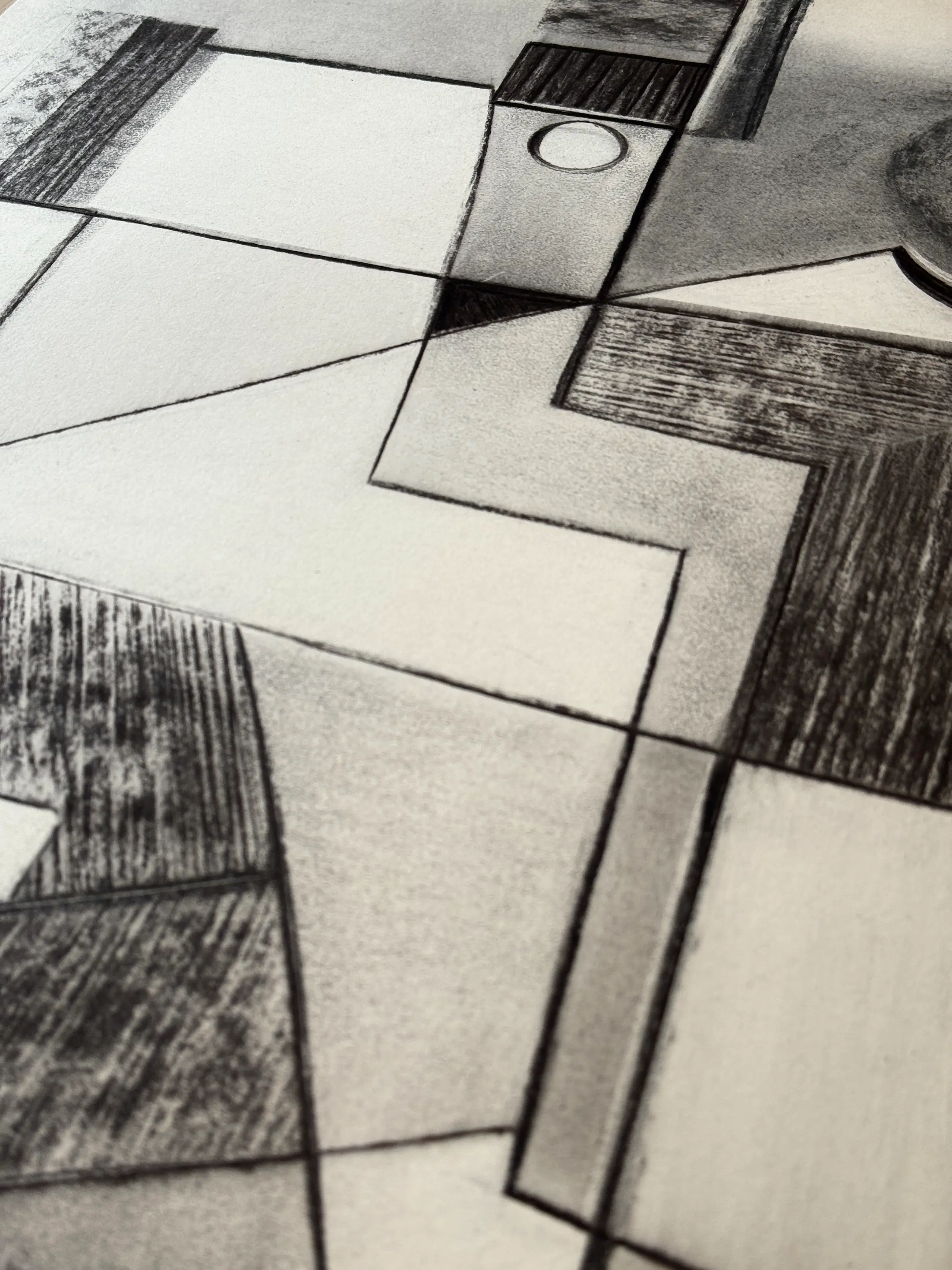
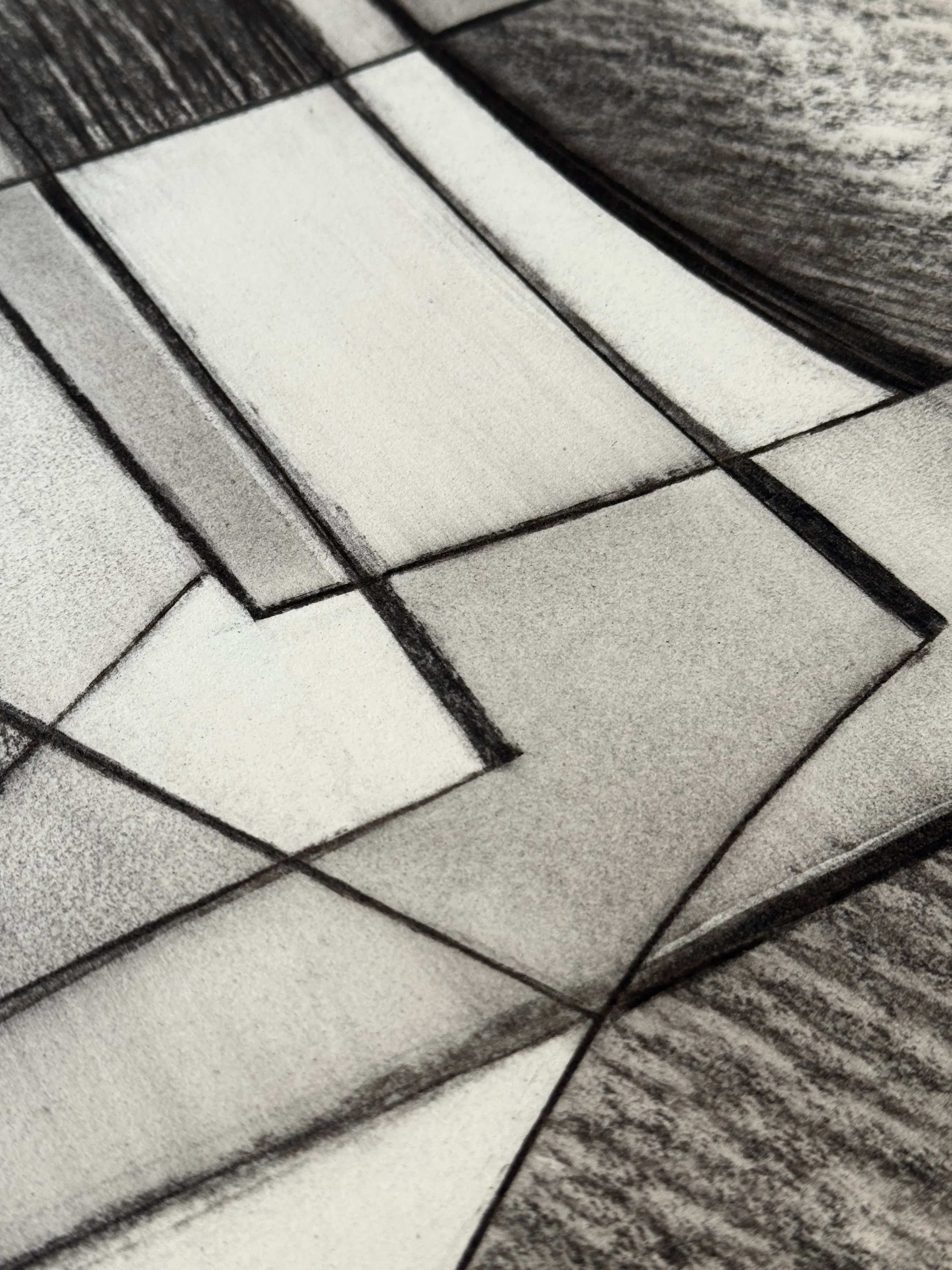
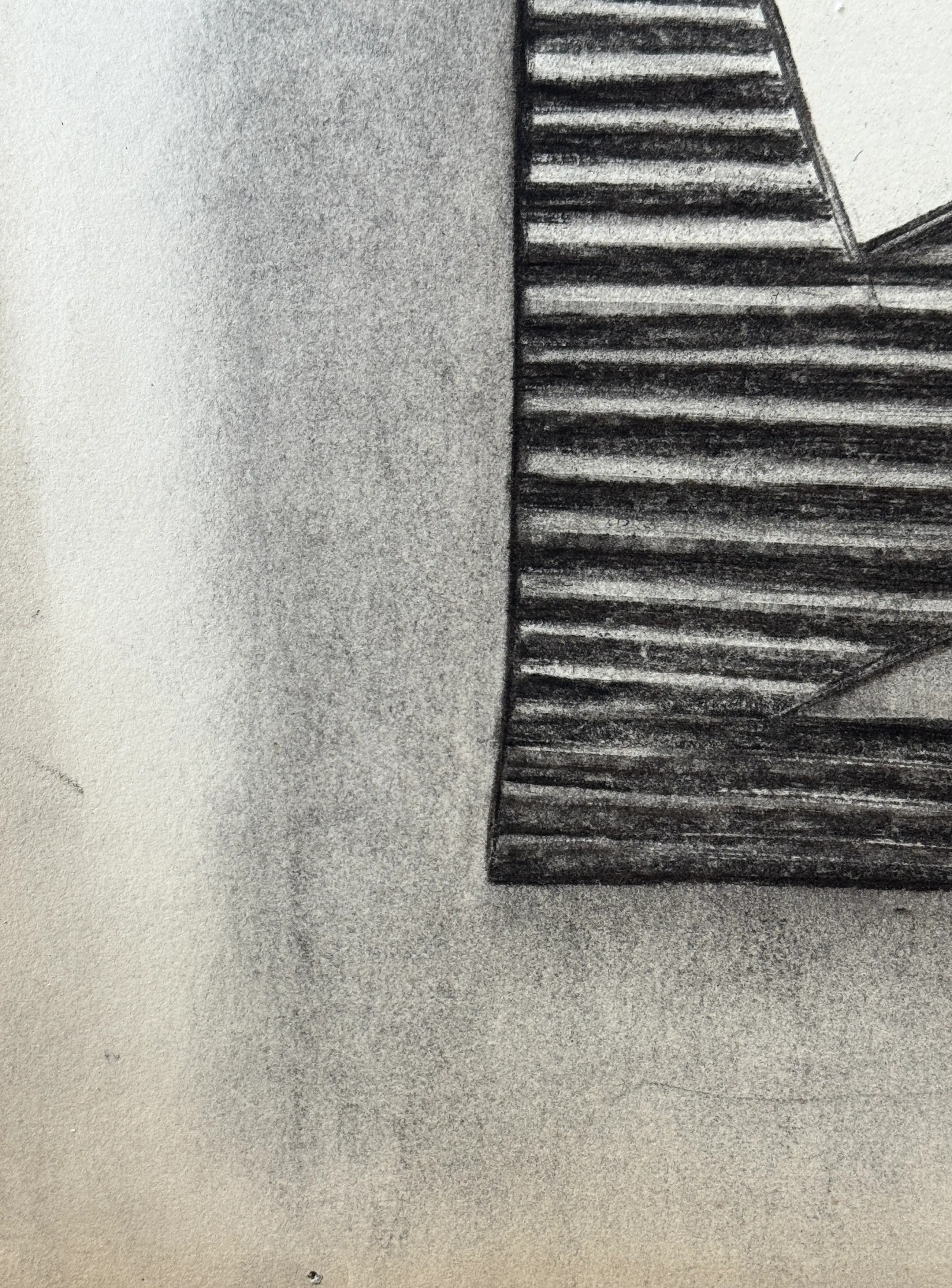
In the lower left corner, a tight, rhythmic hatching—almost woody—converses with pure, reserved whites, while layers of graphite generate velvety blacks and profound, subtle shades of gray. The thick, slightly laid Steinbach paper superbly absorbs the pencil, lending the whole an almost sculptural quality.
With exceptional mastery of contrast, pencil pressure and reserves of light, Bronkart here balances constructivist rigor and expressive energy in perfect harmony.
State of preservation
Excellent. The surface is perfectly flat. The blacks remain intense, the whites pure. Only a few very slight pinholes and tiny traces of period tacks are present, with no visual impact. No tears, creases, or yellowing.
Provenance and authenticity
Impeccable provenance: directly from the artist's daughter.
The work is registered in the artist's online catalogue raisonné, which constitutes the best guarantee of authenticity on the market.
Positioning and scarcity
Silvin Bronkart (Liège, 1915-1967), whose real name was Sylvain Bronckaert, is one of the most singular and endearing figures of the post-war Liège avant-garde. Trained at the Saint-Luc Institute in Liège under Félix Proth, he established himself in the 1940s as a pioneer of Belgian abstraction, cultivating a personal style that fused geometric rigor with an almost organic vitality.
A founding member of the Réalité-Cobra group alongside Pol Bury, Georges Collignon, and Léopold Plomteux, he actively participated in this Walloon interpretation of the CoBrA spirit: an international movement born from the desire to liberate creation through instinct, material, and rhythm, far removed from academic constraints. However, Bronkart very early on opted for a deliberately limited—almost ascetic—production, which makes his large works on Steinbach paper from 1954–1956 particularly sought after by collectors and institutions.
This generously sized 1955 piece, of exceptional graphic quality, represents a masterful example of his most accomplished period: a time when abstract construction achieved a rare poetic intensity, poised between architectural tension and vital energy. Rediscovered today thanks to its online catalogue raisonné, Bronkart embodies the understated elegance of an artist who favored depth over profusion. A work of this stature is therefore a rare opportunity on the market.
| Condition | |||||||
| Condition | Very good | ||||||
| Shipment | |||||||
| Pick up | The work can be picked up on location. As a buyer you must bring your own packaging materials. The location is: Batalha, Portugal | ||||||
| Shipment | Parcel post | ||||||
| Price | Up to 5 kg.
| ||||||
| Guarantee | |||||||
| Guarantee | By putting the item up for auction, I agree with the Terms of Guarantee as they are applicable at Kunstveiling regarding the accuracy of the description of the item | ||||||
| Consumer law | This seller has indicated that they are a private seller. Therefore, consumer law does not apply. Read more | ||||||
The seller takes full responsibility for this item. Kunstveiling only provides the platform to facilitate this transaction, which has to be settled directly with the seller. More information .
Silvin Bronkart (1915-1970)
 Belgian
T
The-Nomad-Gallery Portugal
2025 | |
44 sold | 2 followers |
54.5 cm
71.5 cm