Friedrich Meckseper - Unknown.

Auction details
| Start time | 21-9-2026 at 7:49 |
| End time | 4-10-2026 at 13:07 |
Starting bid €95
Buyer's premium : 15%
Missed the auction? The item may still be available. You can make one single bid in the aftersale.
| Pick up | Yes, possible |
| Location | IJmuiden, The Netherlands |
N
Njoyart The Netherlands
2020 | |
352 sold | 9 followers |
- Description
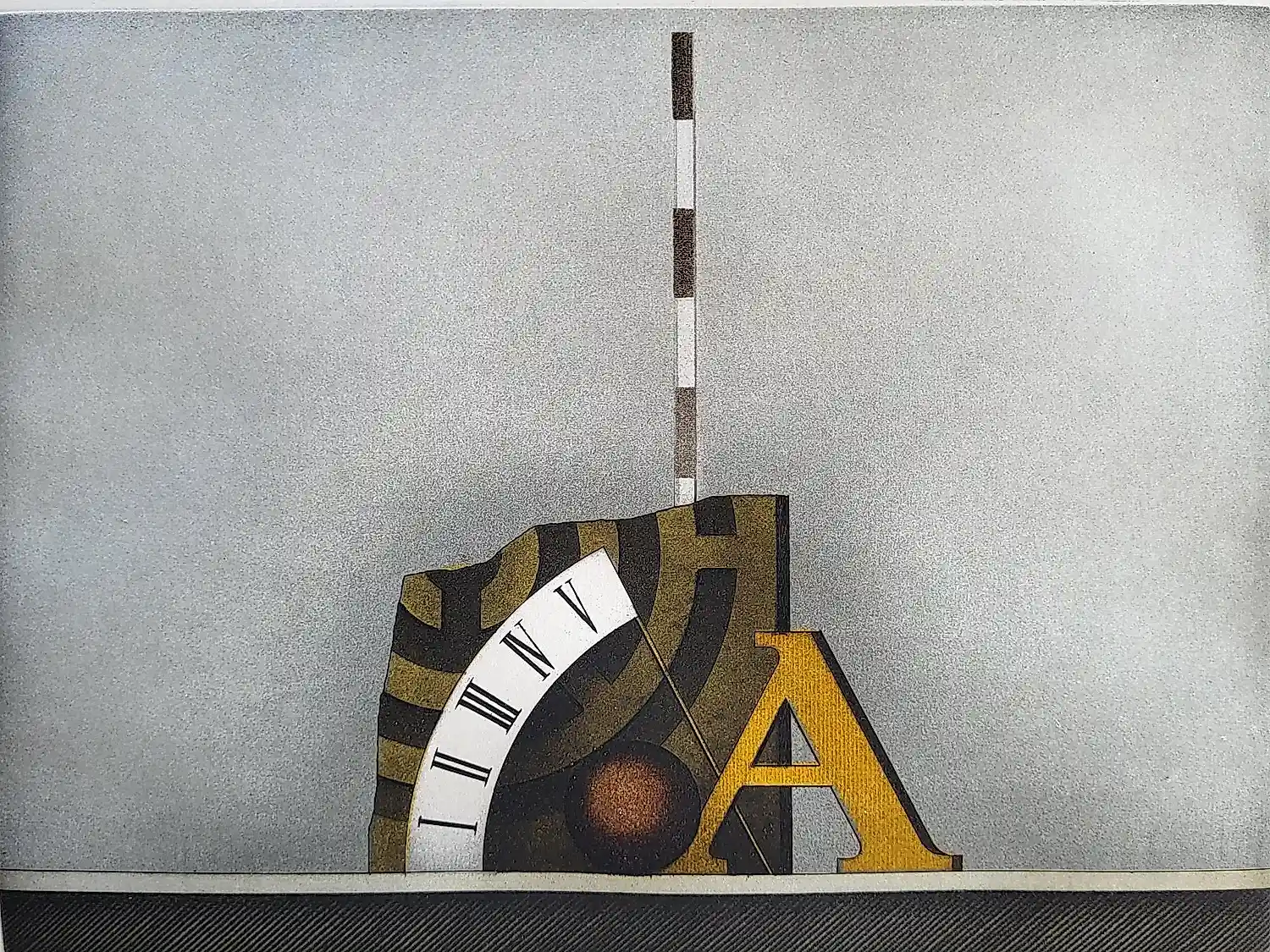
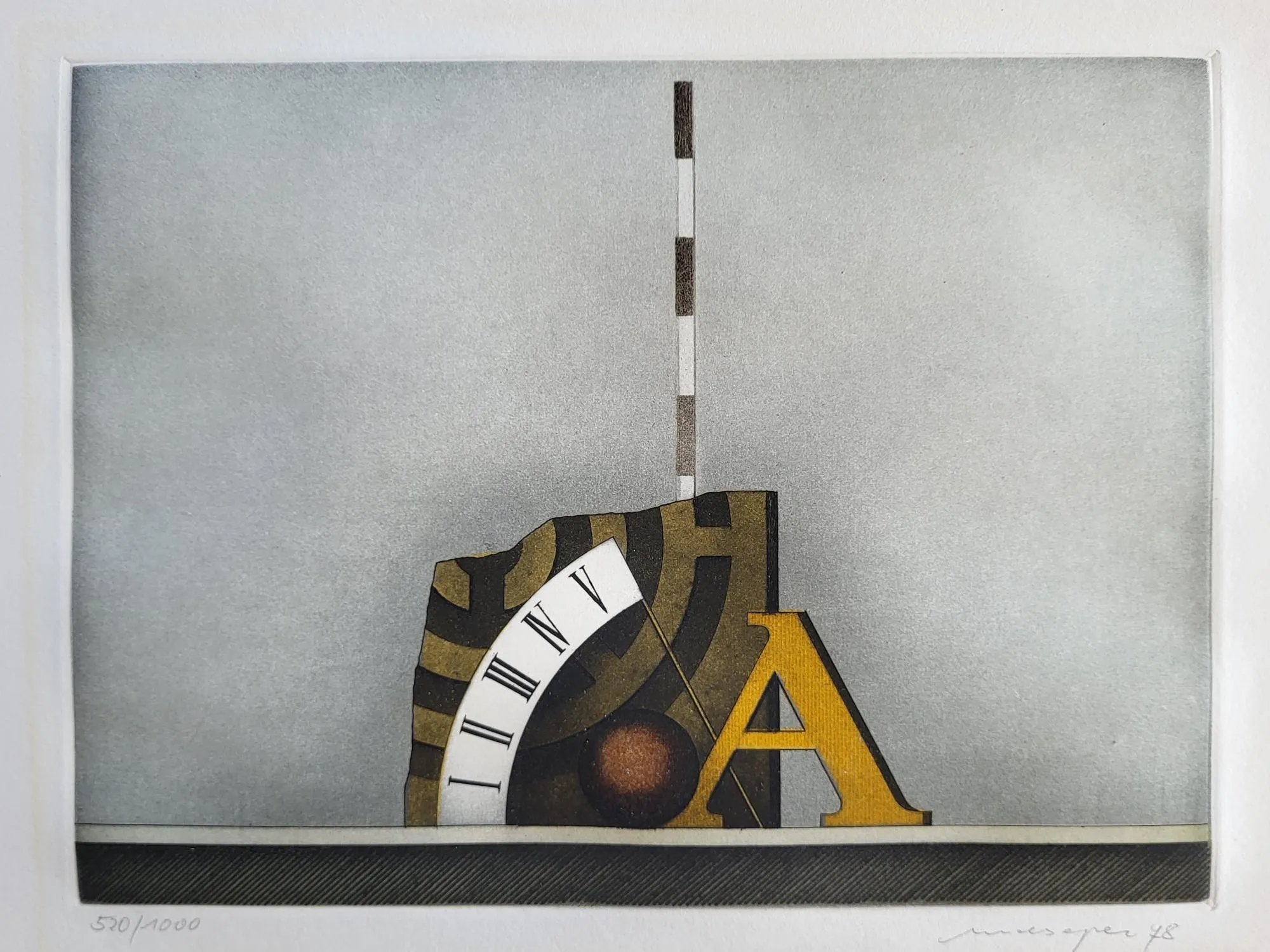
- Friedrich Meckseper (1936)
| Type of artwork | Prints (signed) |
| Year | 1978 |
| Technique | Etching/Aquatint |
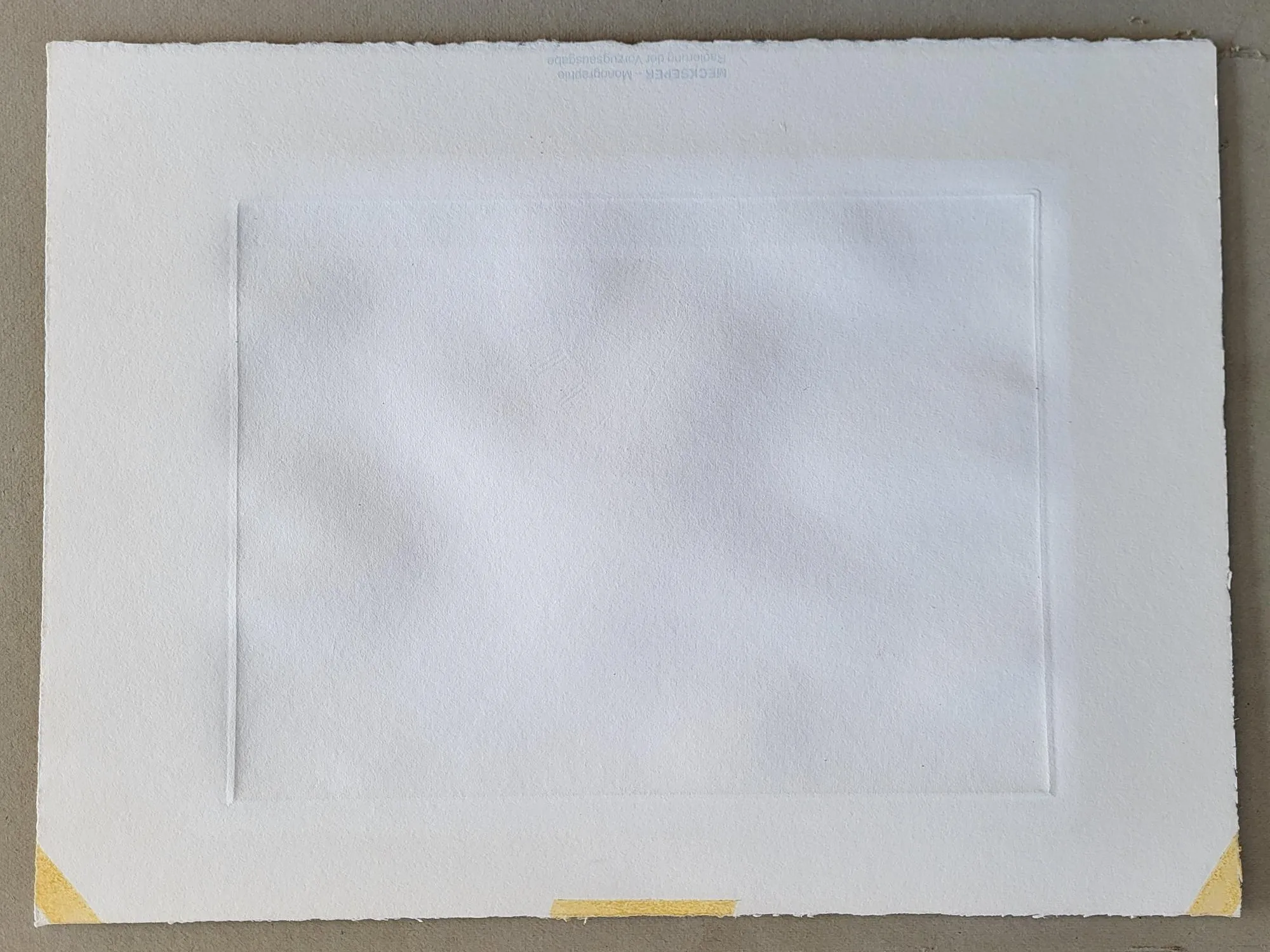
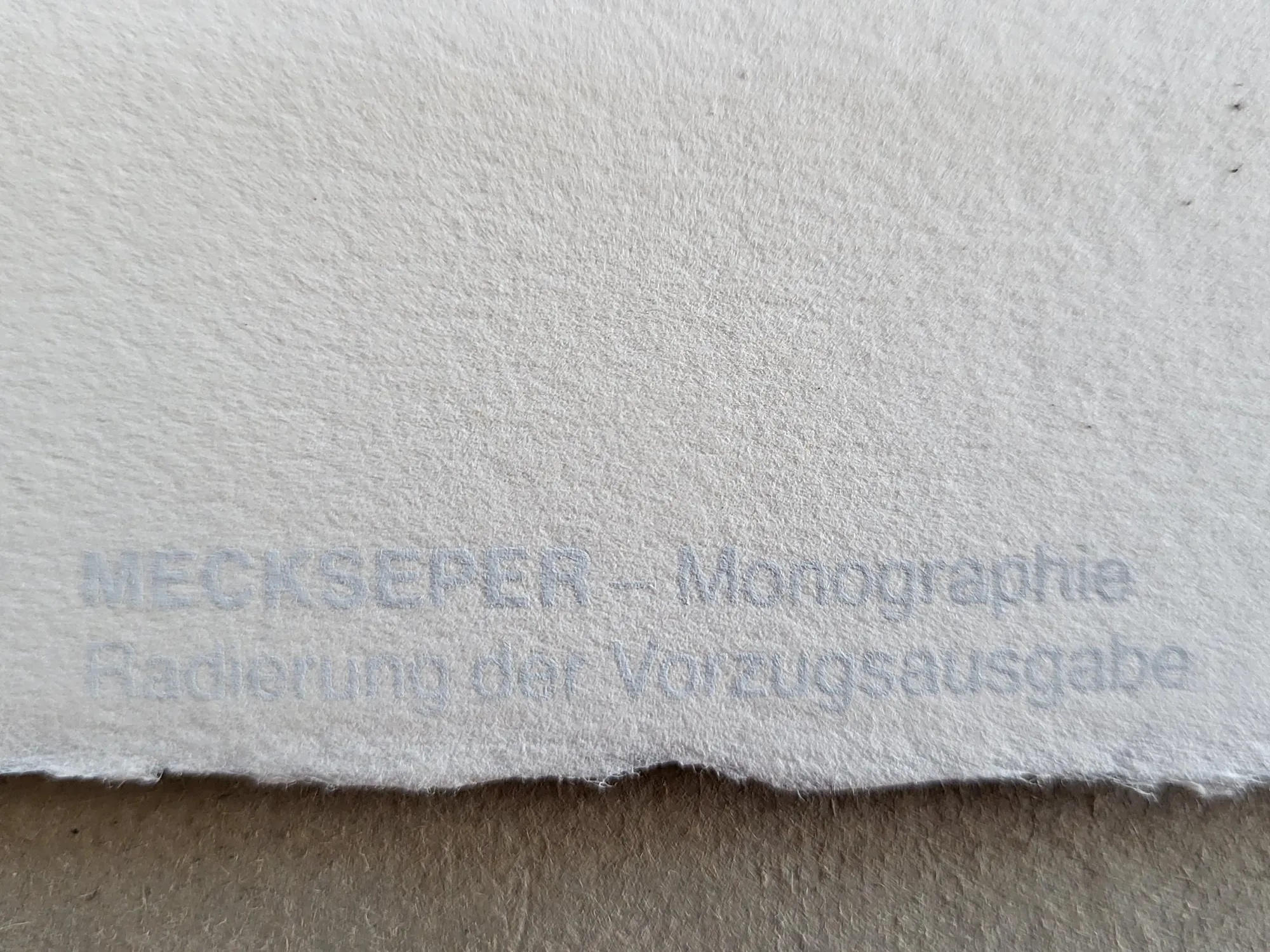
| Support | Handmade Paper |
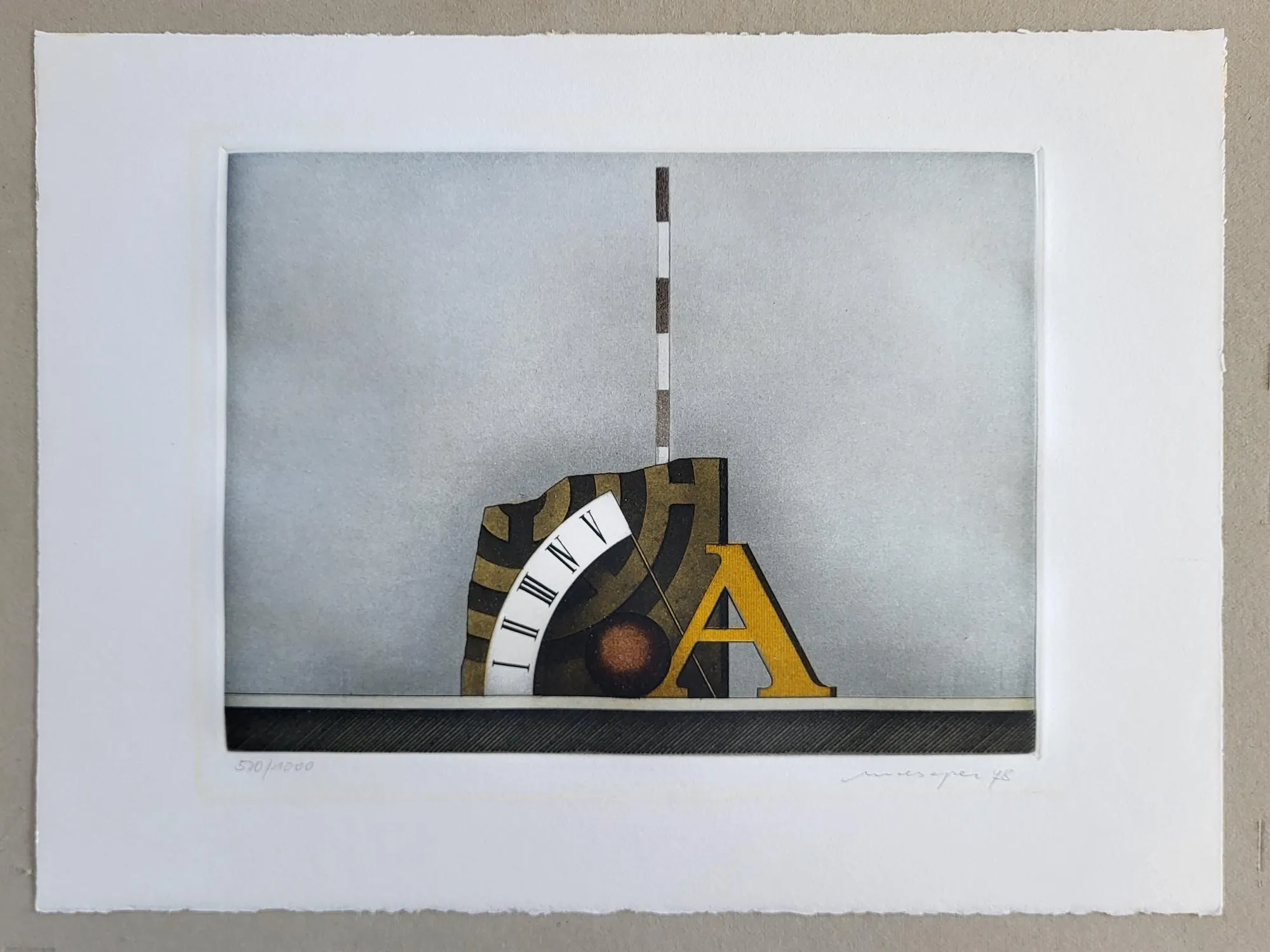
| Framed | Not framed |
| Dimensions | 19 x 26 cm (h x w) |
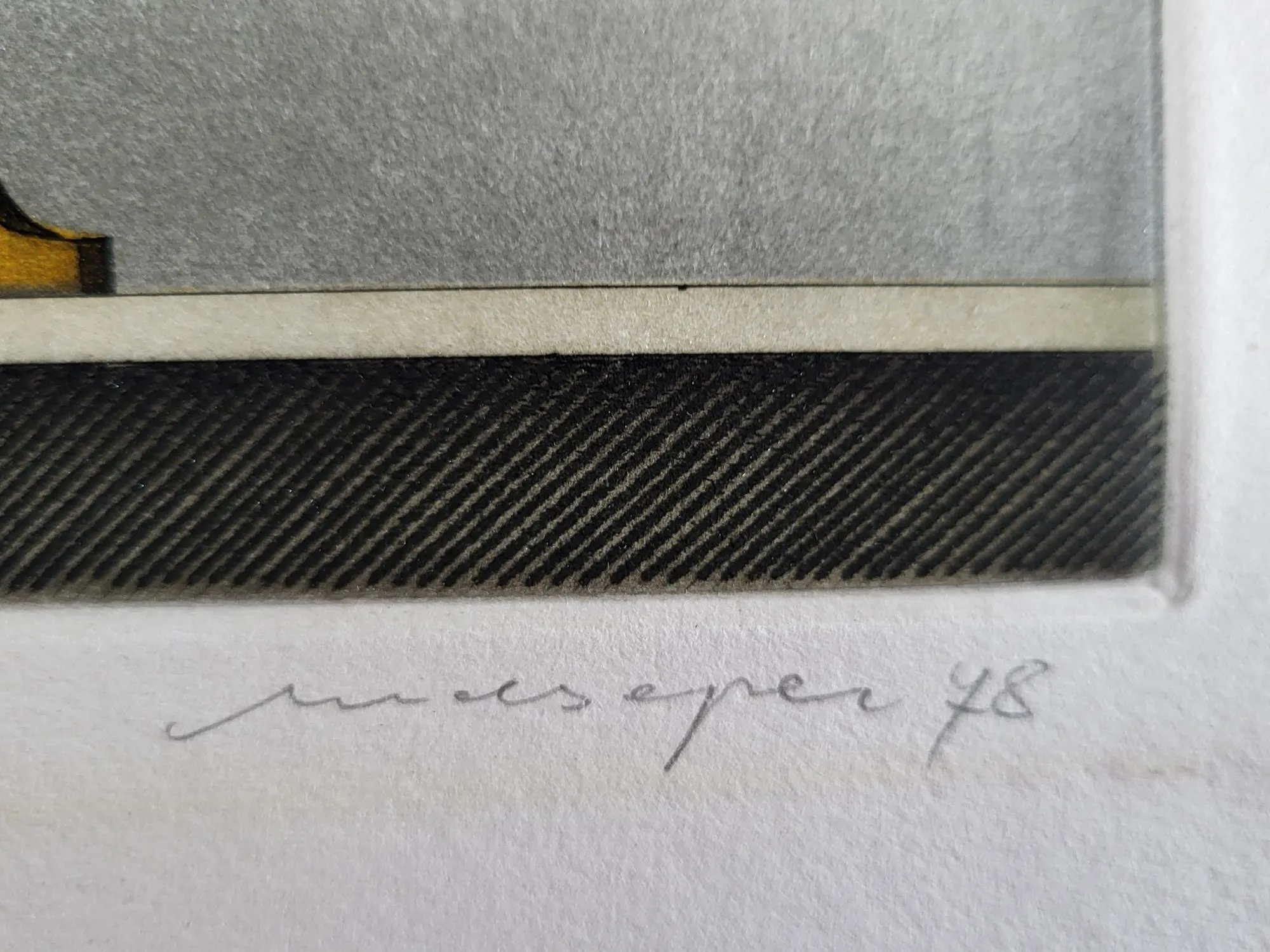
| Signed | Hand signed |
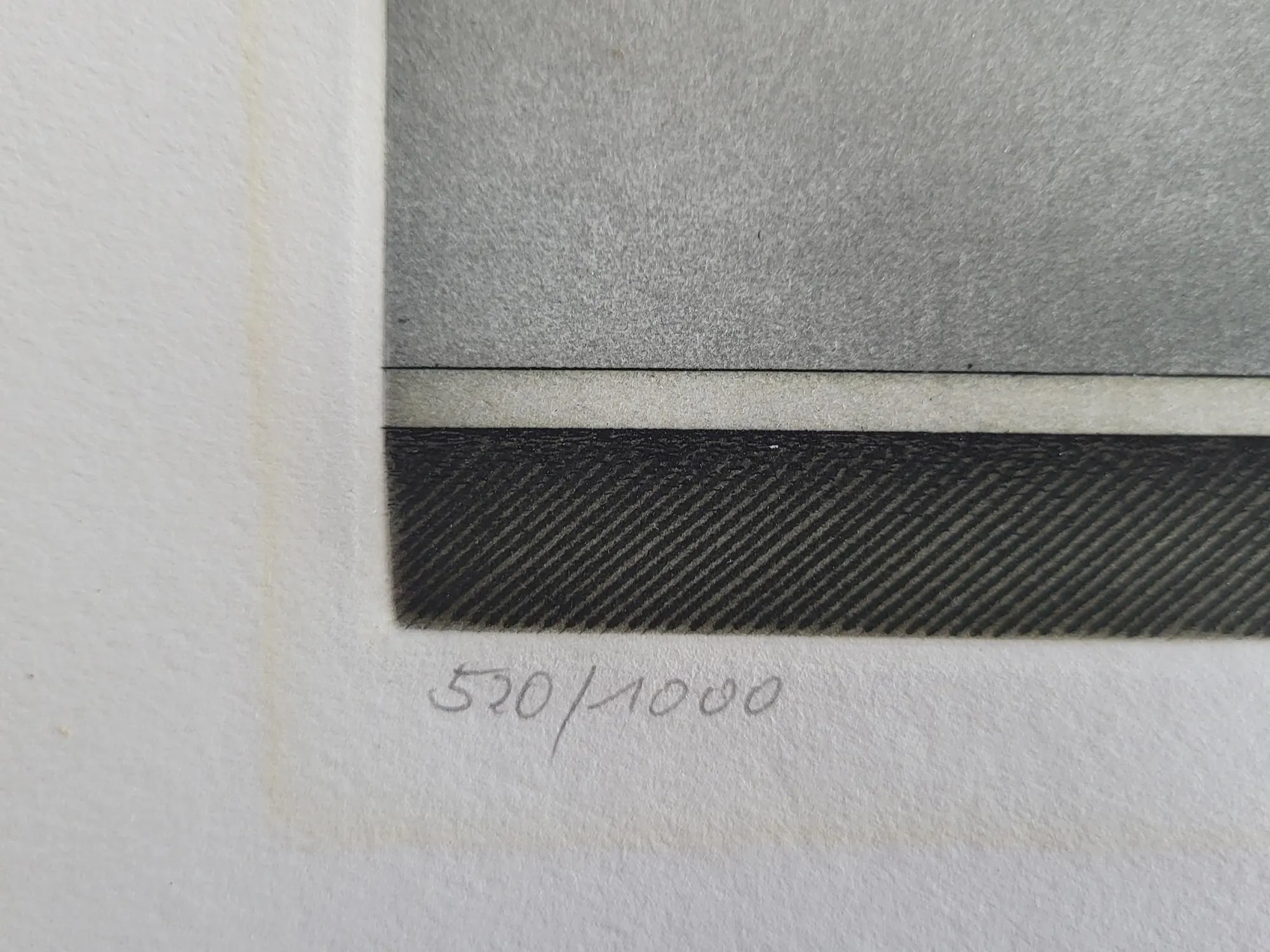
| Edition | 520/1000 |
Translated with Google Translate. Original text show .
The German painter, designer, graphic artist, and draftsman Friedrich Meckseper was born on June 8, 1936, in Bremen, Germany. He spent his youth in Stuttgart and trained as a mechanic at Robert Bosch GmbH from 1952 to 1955. In the year he started at Bosch, he began his studies, first at the State Academy of Fine Arts in Stuttgart under Professor Karl Rössing. From 1957 to 1959, he continued his studies at the University of Fine Arts in Berlin under Professor Wolf Hoffmann.
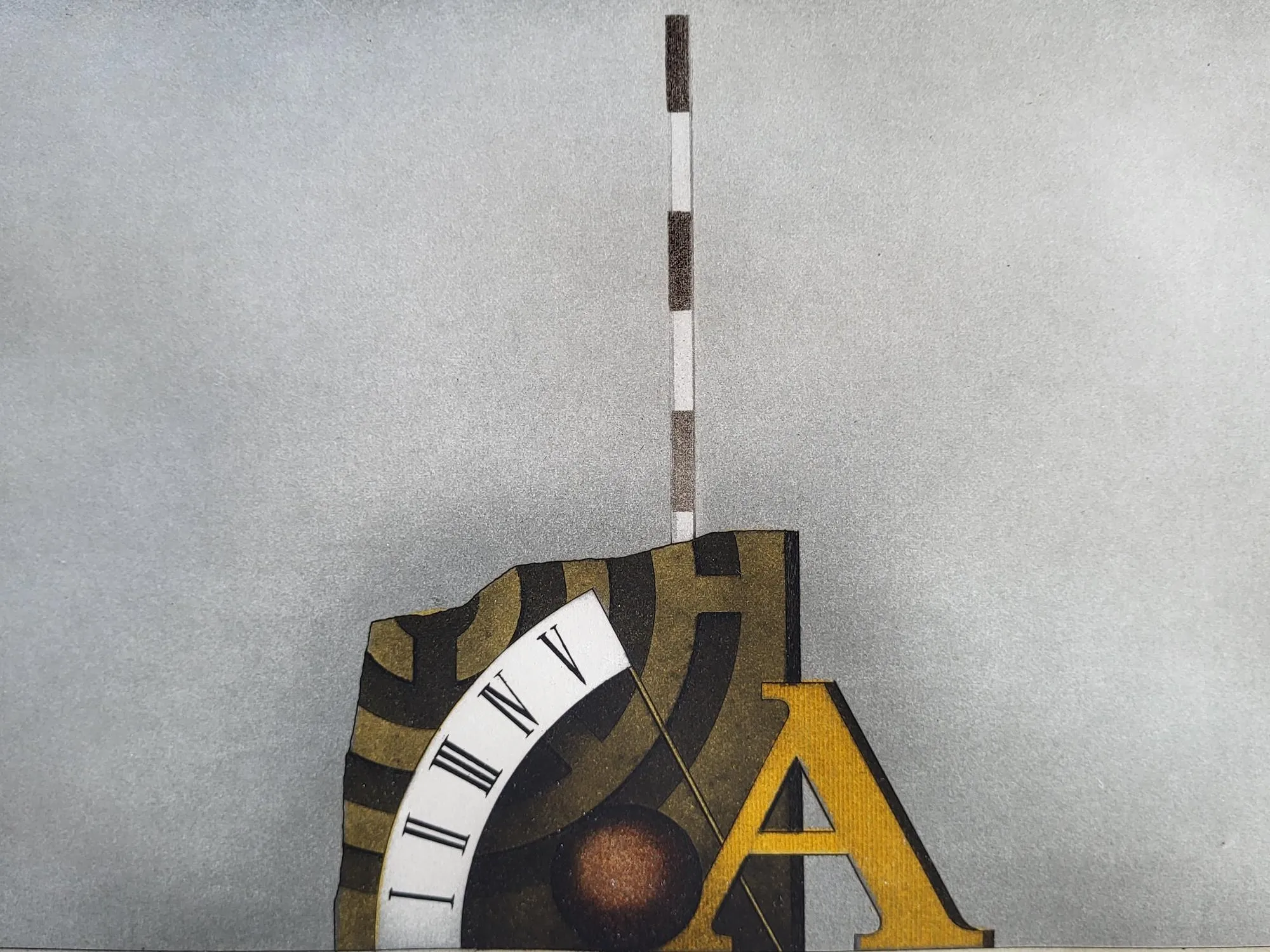
Meckseper's first engravings were completed during this period. In 1963, he received the German Rome Prize from Villa Massimo; in 1965, he received a cultural scholarship from the German Industry Association; in 1970, he was awarded the prize of the 7th Tokyo Biennial. His artistic work was influenced by, among others, Anton Heyoer, Bosch, Leonardo da Vinci, Saul Steinberg, and Hamaguchi. He created oil paintings, engravings, collages, and objects that evoke a mysterious tension in the viewer.
The minimalist arrangement of objects in his works is supported by his technical precision, and the detailed gears and springs found in his works provide insight into his broader interest in technology and the natural sciences. For instance, he designed and built a steamboat in 1972 and crossed the Alps in a hot air balloon in 1979, '80, '82, and '86. He was a visiting professor at the Bergische University in Wuppertal, Germany, in 1977 and 1978, and taught engraving there from 1977 to 1979. Meckseper was honored at the 6th Norwegian International Print Biennial in Fredrikstad in 1982 and received the prize of the First and Second International Kochi Triennial for Printmaking in Japan in 1990 and 1993, respectively. From 1961 until his move to Berlin in 1984, Meckseper lived and worked in the artists' colony of Worpswede. Friedrich Meckseper died on June 5, 2019, in Berlin, Germany.
Sheet size of the whole is 28.5 x 38
Sheet size of the whole is 28.5 x 38
| Condition | |||||||
| Condition | Very good | ||||||
| Very faint edge of old passe-partout visible. | |||||||
| Shipment | |||||||
| Pick up | The work can be picked up on location. As a buyer you must bring your own packaging materials. The location is: Ijmuiden, The Netherlands | ||||||
| Shipment | Parcel post | ||||||
| Price | Up to 5 kg.
| ||||||
| Guarantee | |||||||
| Guarantee | By putting the item up for auction, I agree with the Terms of Guarantee as they are applicable at Kunstveiling regarding the accuracy of the description of the item | ||||||
| Consumer law | This seller has indicated that they are a private seller. Therefore, consumer law does not apply. Read more | ||||||
The seller takes full responsibility for this item. Kunstveiling only provides the platform to facilitate this transaction, which has to be settled directly with the seller. More information .
Friedrich Meckseper (1936)
 German
 N
Njoyart The Netherlands
2020 | |
352 sold | 9 followers |
26 cm
19 cm