Georg Rueter - Carel Albert van Woelderen - - Sold
This item has been sold Show item
| Pick up | Yes, possible |
| Location | Bennebroek, The Netherlands |
Auction details
| Start time | 20-6-2026 at 15:37 |
| End time | 4-7-2026 at 22:52 |
Bids (1)
Log in or register to view the bidding history S
Skillford The Netherlands
2024 | |
4 sold | |
- Description
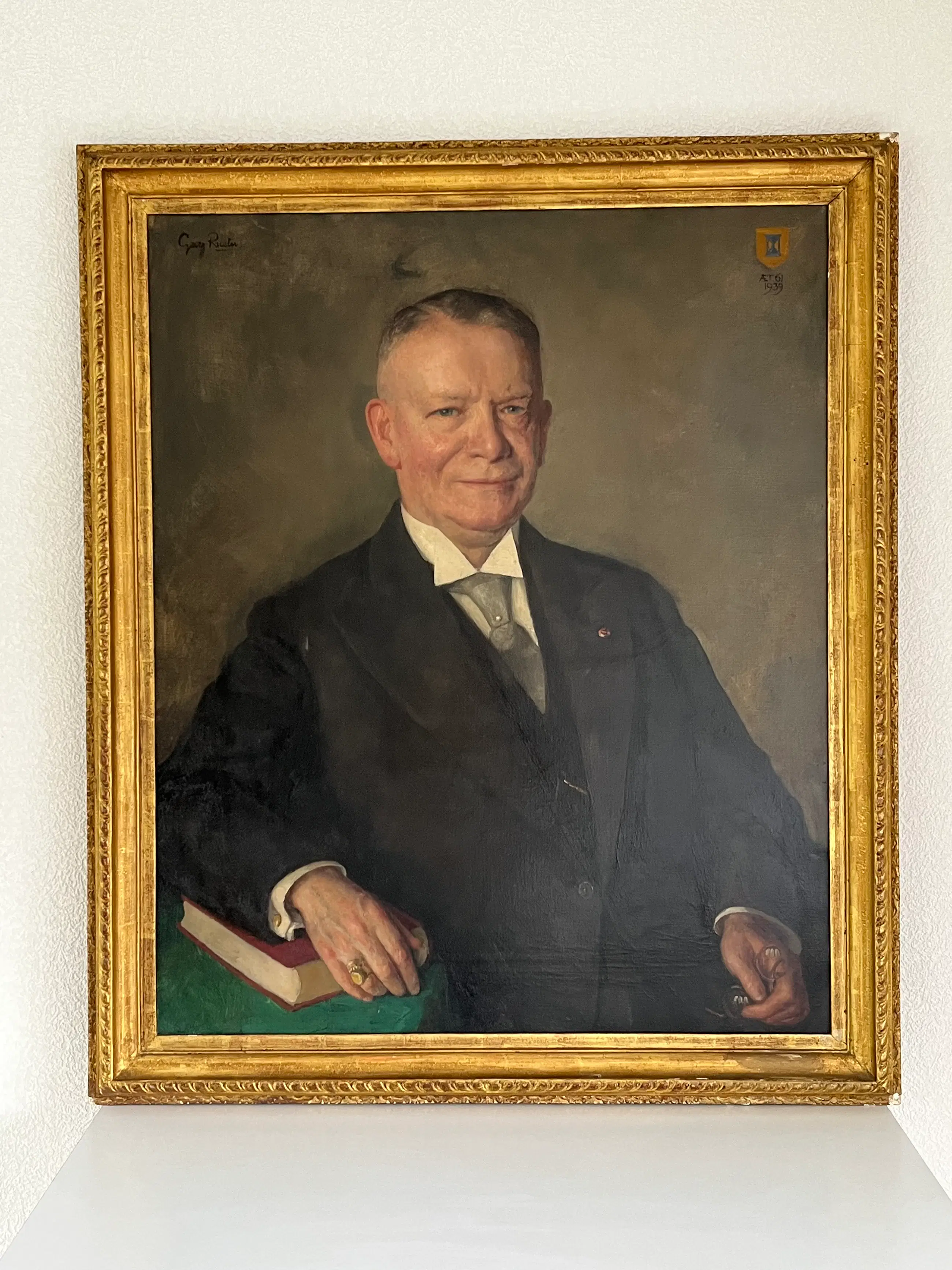
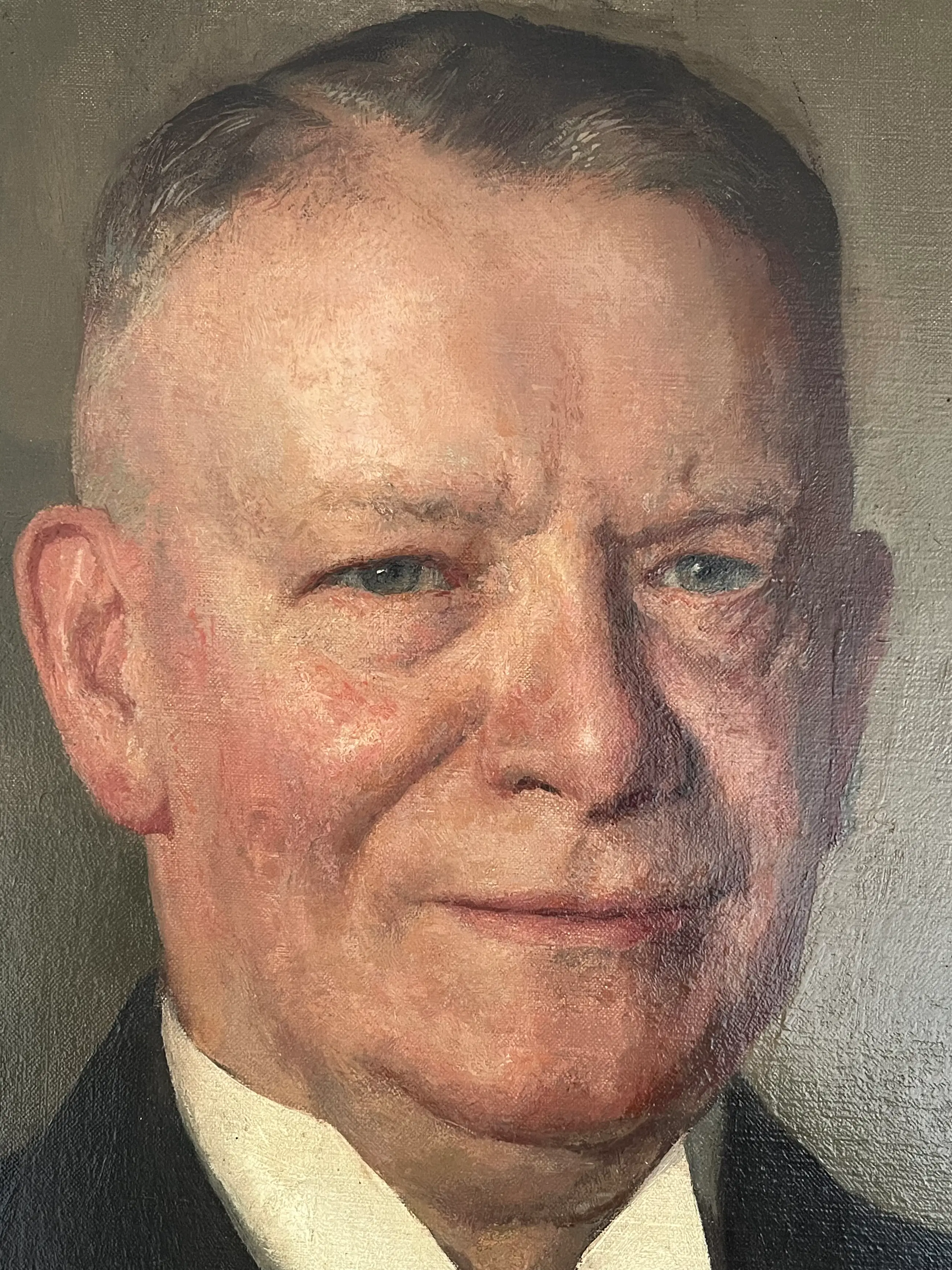
- Georg Rueter (1875-1966)
| Type of artwork | Painting |
| Year | 1939 |
| Technique | Oil paint |
| Support | Canvas |
| Style | Realistic |
| Subject | Portrait |
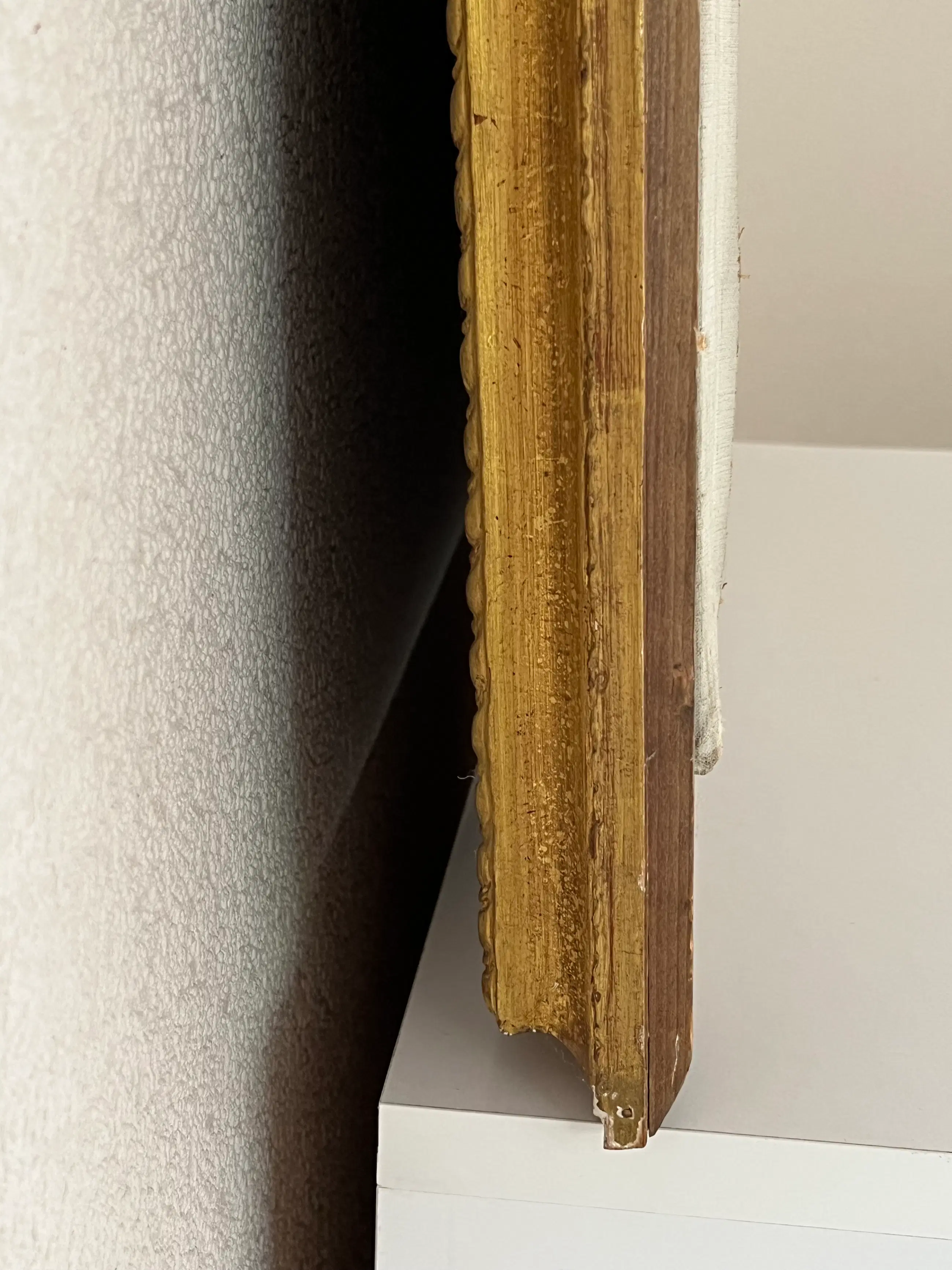
| Framed | Framed |
| Dimensions | 85 x 71 cm (h x w) |
| Incl. frame | 98 x 83 cm (h x w) |
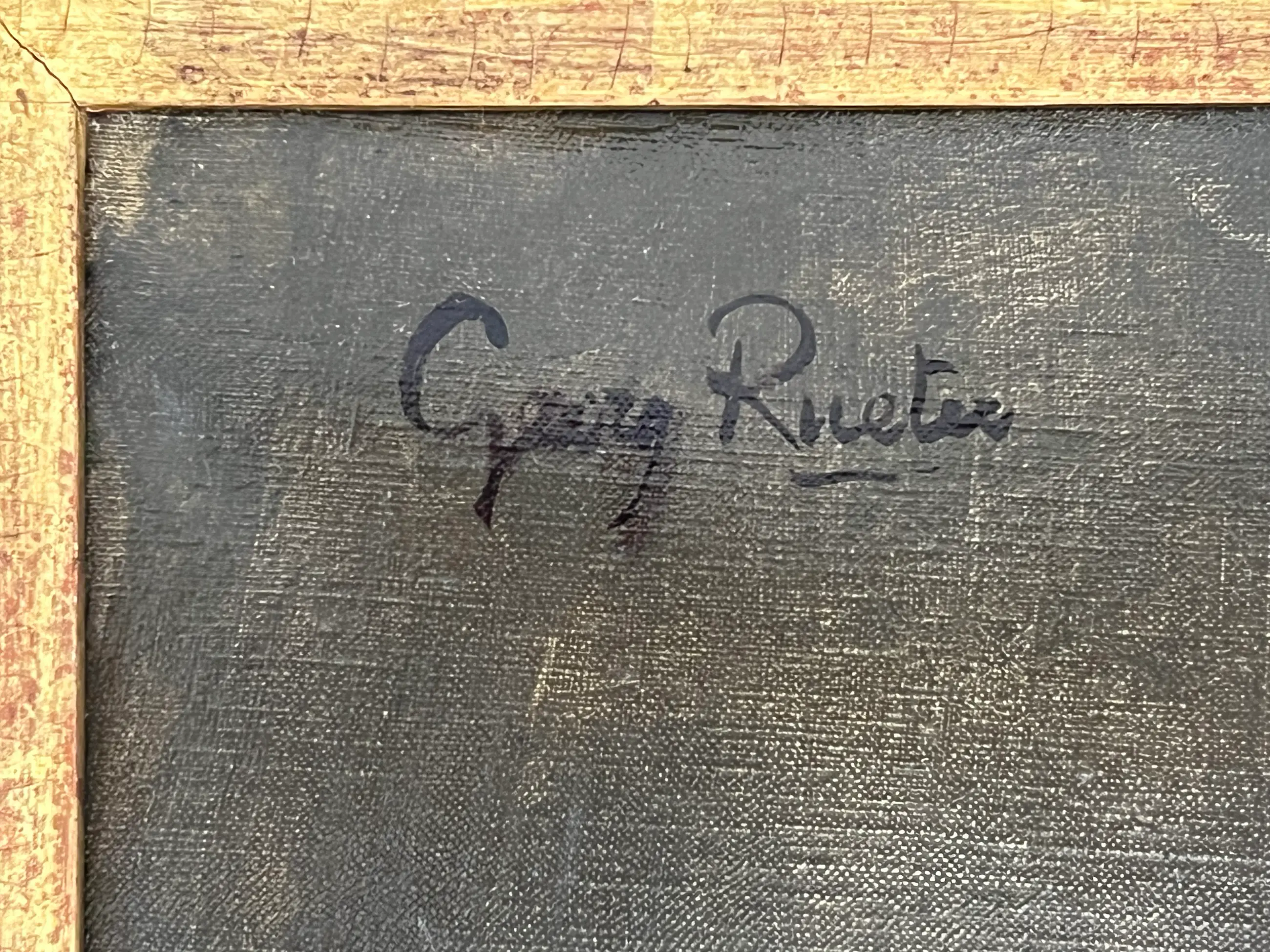
| Signed | Hand signed |
Translated with Google Translate. Original text show .
Wilhelm Christian Georg Rueter was a Dutch painter, draftsman, and graphic designer.
Rueter grew up in an artistic family; his brother Theo Rueter was an architect.
Around 1885, Rueter began taking drawing lessons from Johan Braakensiek, the well-known political cartoonist. From 1889 to 1891, he attended classes at the Municipal Evening Drawing School in Amsterdam. Afterwards, he went to the National Normal School for Drawing Education, where he obtained his teaching certificate. Subsequently, he attended the Royal Academy of Fine Arts.
In 1896, he became a teacher at the Drawing School for Applied Arts. He remained in this position until 1912.
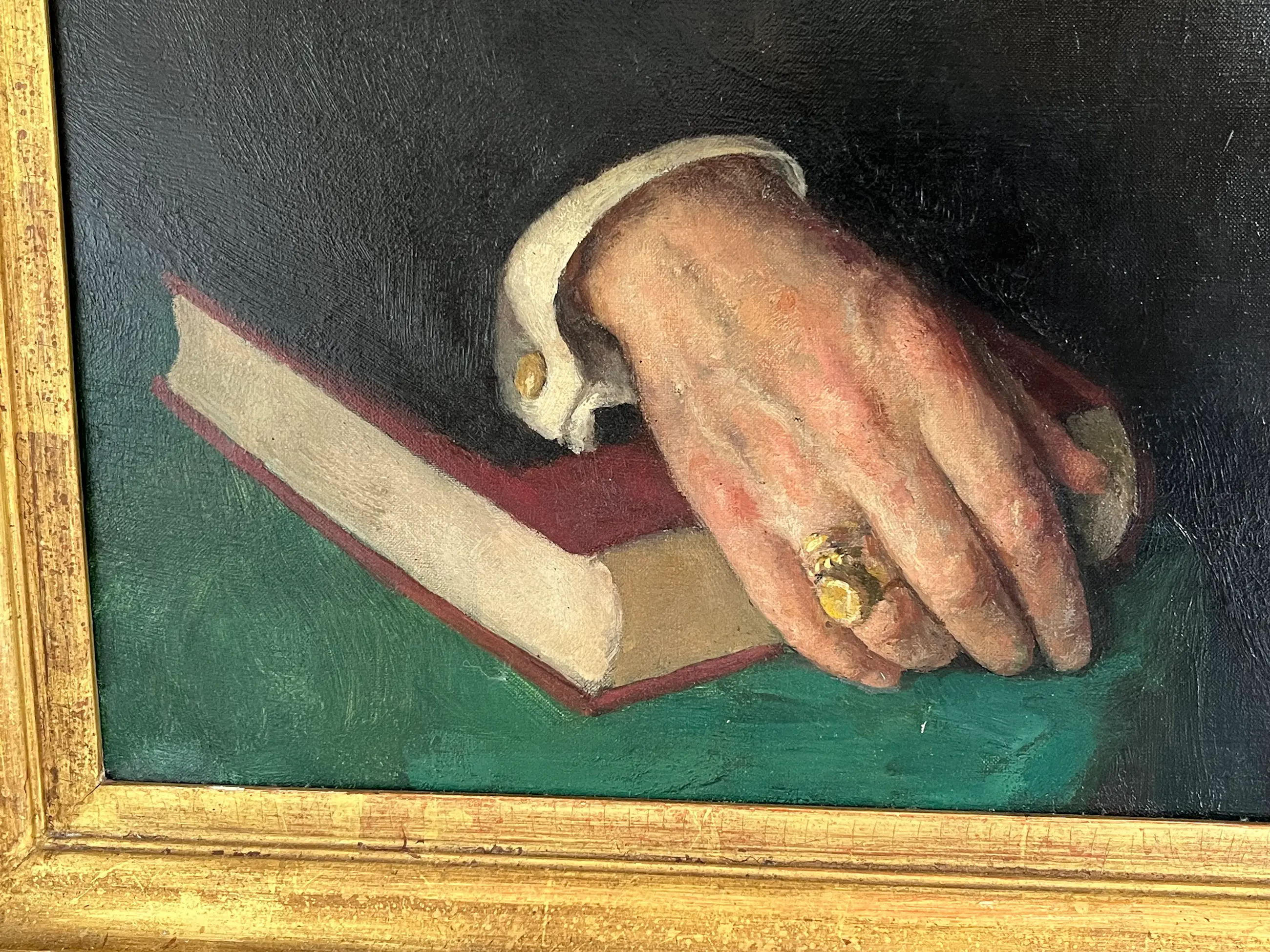
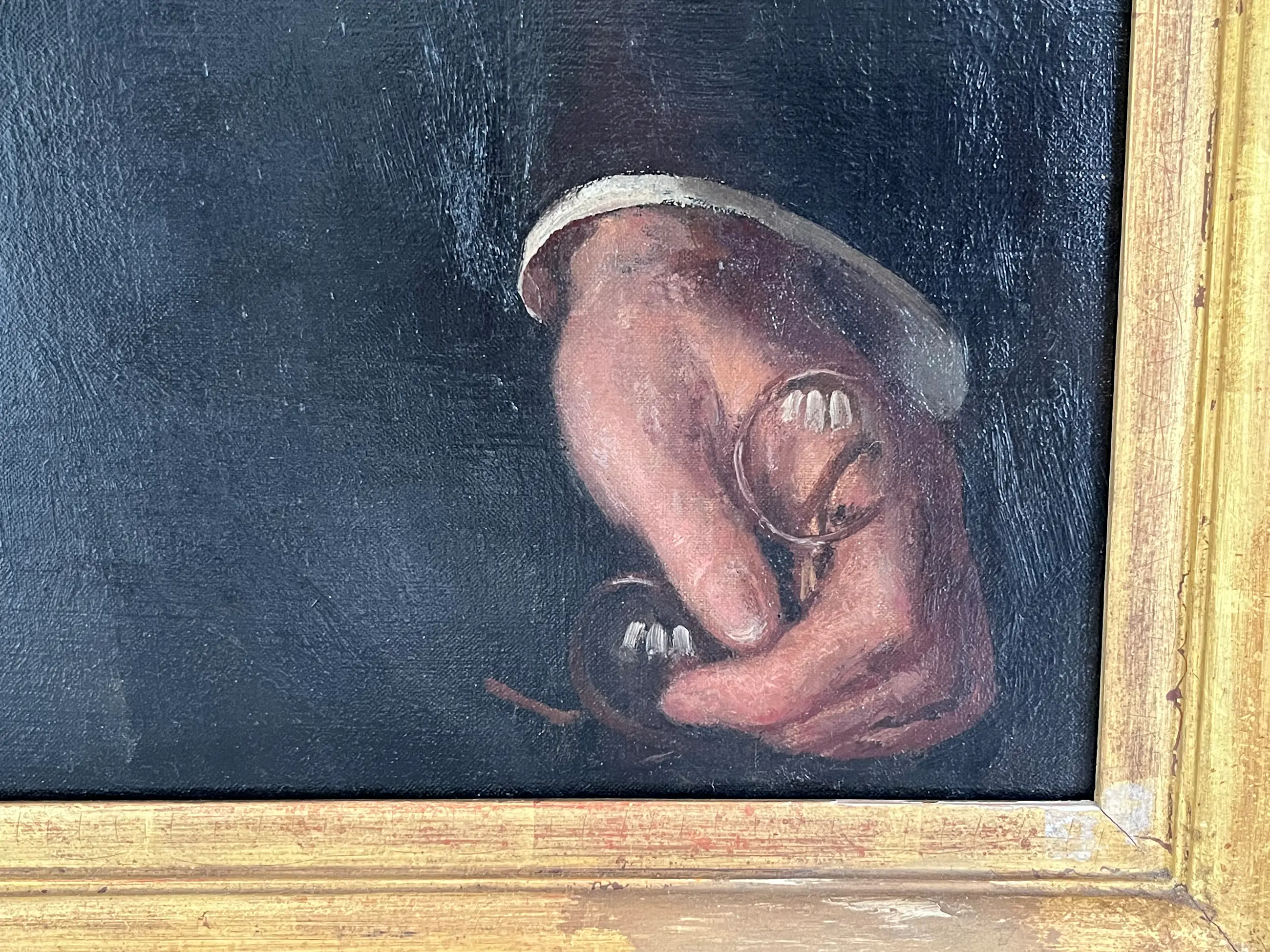
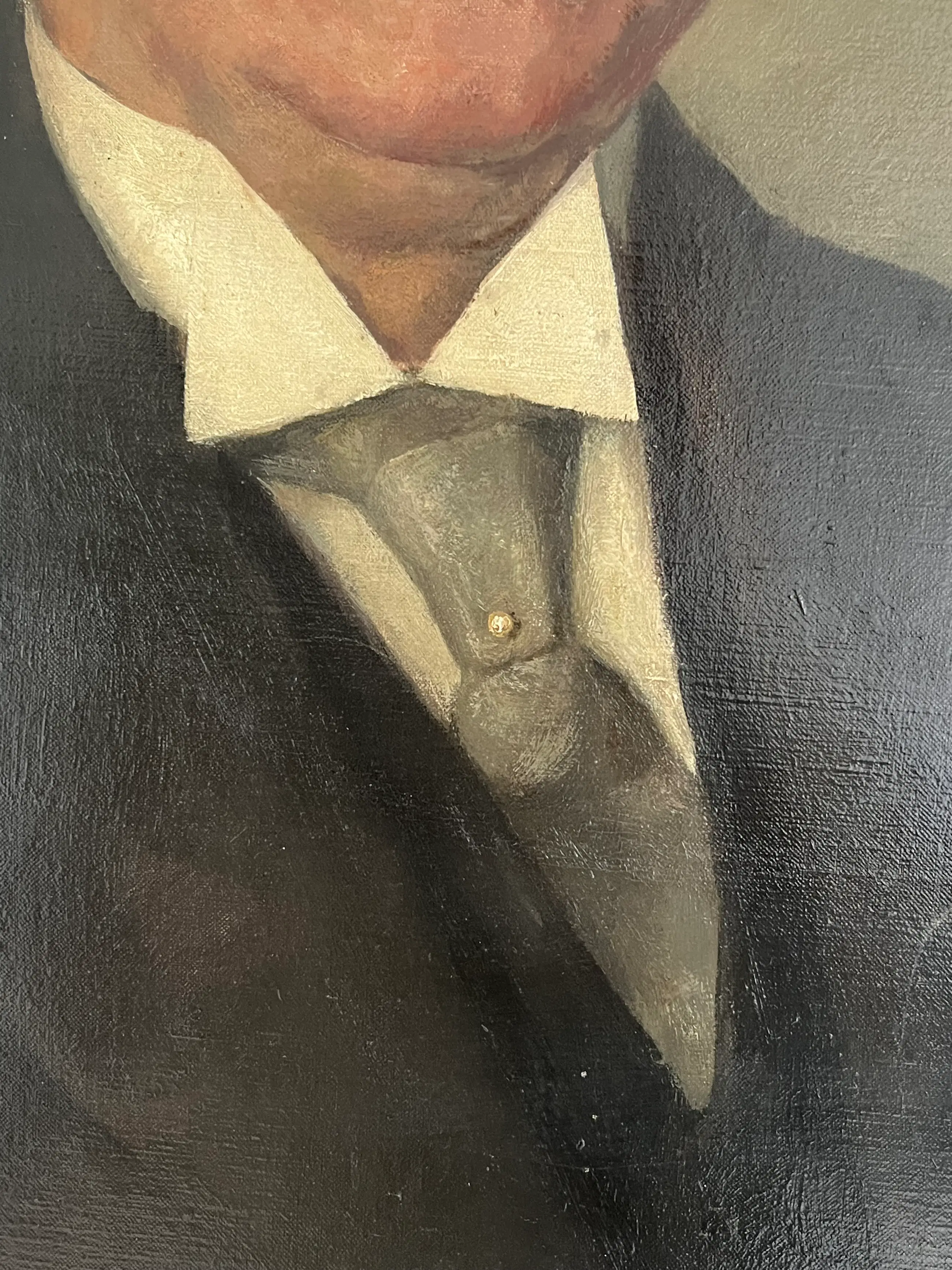
Rueter designed advertising print, posters, calendars, ex-libris, and was a bookbinding designer. For instance, he was responsible for the design of the binding and endpapers of the renowned book series 'Nederlandsche Historische Bibliotheek', published by Meulenhoff. His endpapers adorn many of Meulenhoff's books from the period 1905–1925. He designed the cover of the twelfth volume of the magazine De Architect (1901) and also designed the first children's postage stamps in 1924. In addition, Rueter was a highly sought-after portrait painter. He immortalized, among others, many professors of the University of Amsterdam.
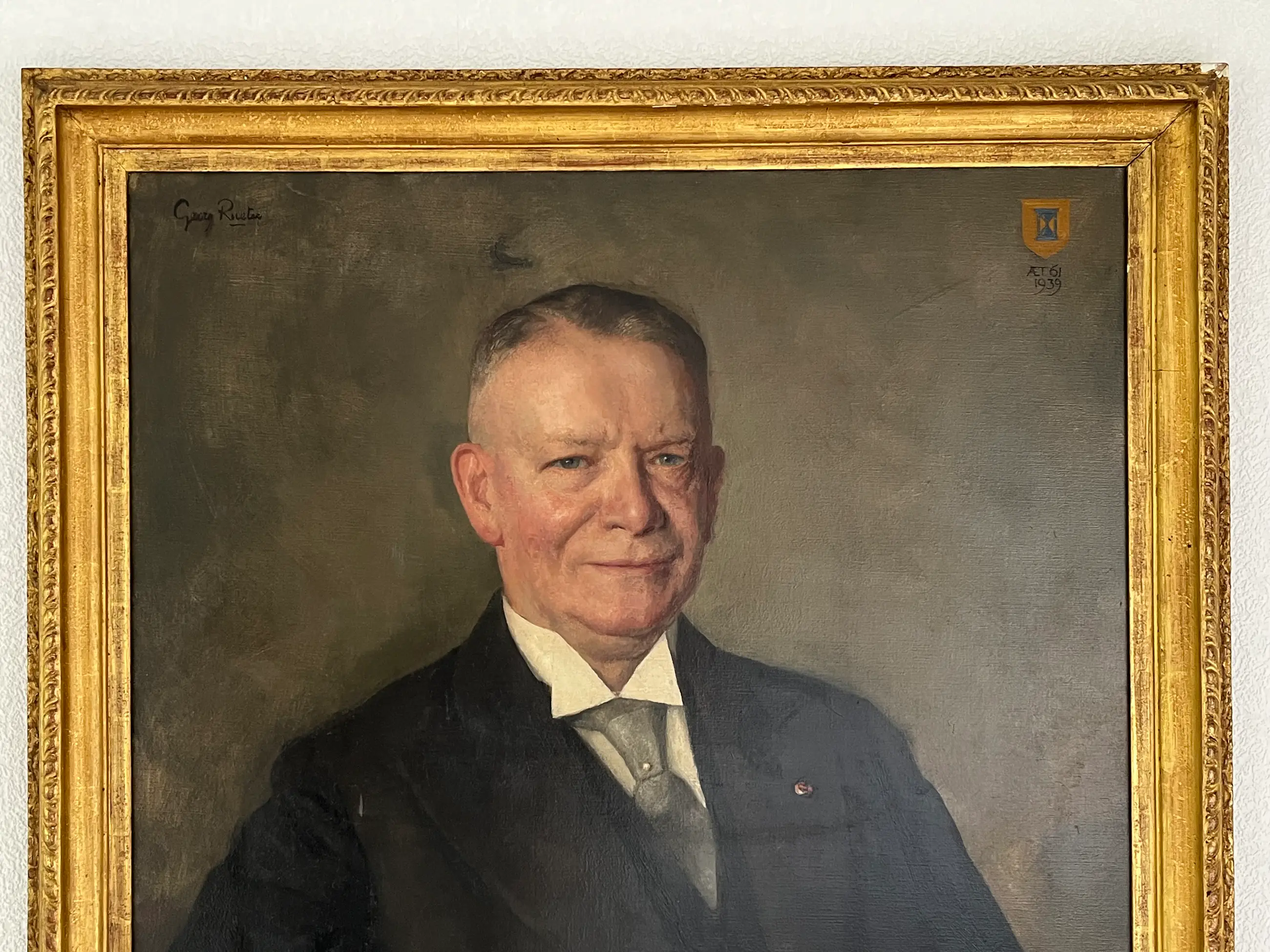
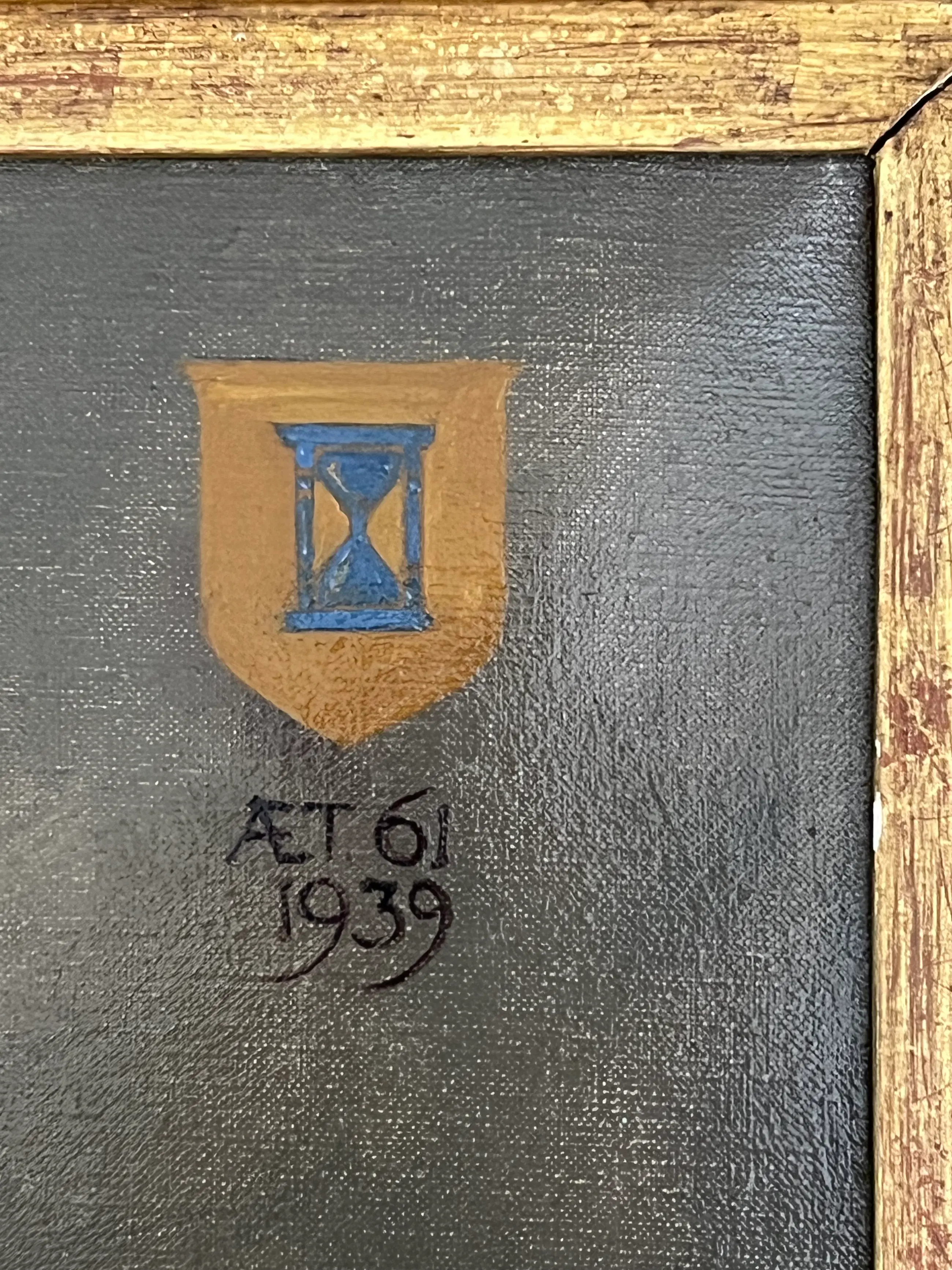
He painted this portrait in 1939, depicting Carel Albert van Woelderen (Vlissingen, July 12, 1877 – Wassenaar, January 30, 1951), Mayor of Vlissingen. In the upper right corner is his family coat of arms (a blue hourglass on a golden shield).
Van Woelderen, son of Carel Louis van Woelderen, studied law and passed his preliminary examination in 1910. He began his career in the military. Van Woelderen played a significant role in thwarting Troelstra's revolution of 1918. He was the initiator of the massive demonstration of loyalty to the Queen on the Malieveld in The Hague. As a captain, Van Woelderen was head of the military intelligence service GS III from August 1 to September 30, 1919. In 1927, he was awarded the honorary rank of major. Due to his special bond with the Royal Family, he later became involved in the Le Roi affair.
From October 1, 1919, to July 1, 1945, Van Woelderen served as mayor of Vlissingen. Under his leadership, Vlissingen gained prestige as a seaside resort, the harbors were expanded, and industry increased. He also championed the creation of the Nollebos. The Wooldhuis, located on the boulevard in Vlissingen near the Nollebos, was built in 1931–1932 by architect Dirk Roosenburg, commissioned by Mayor Van Woelderen. On April 28, 1943, he was arrested by the German police, after which he was granted discharge by Friedrich Wimmer, Generalkommissar für Verwaltung und Justiz, effective June 2, 1943. PC Callenfels was appointed in his place by the occupying forces. Following the liberation of Vlissingen on November 3, 1944, Van Woelderen was fully reinstated to his duties.
CA van Woelderen held many ancillary positions, including that of Chairman of the Supervisory Board of NV Haven van Vlissingen.
| Condition | |
| Condition | Reasonable |
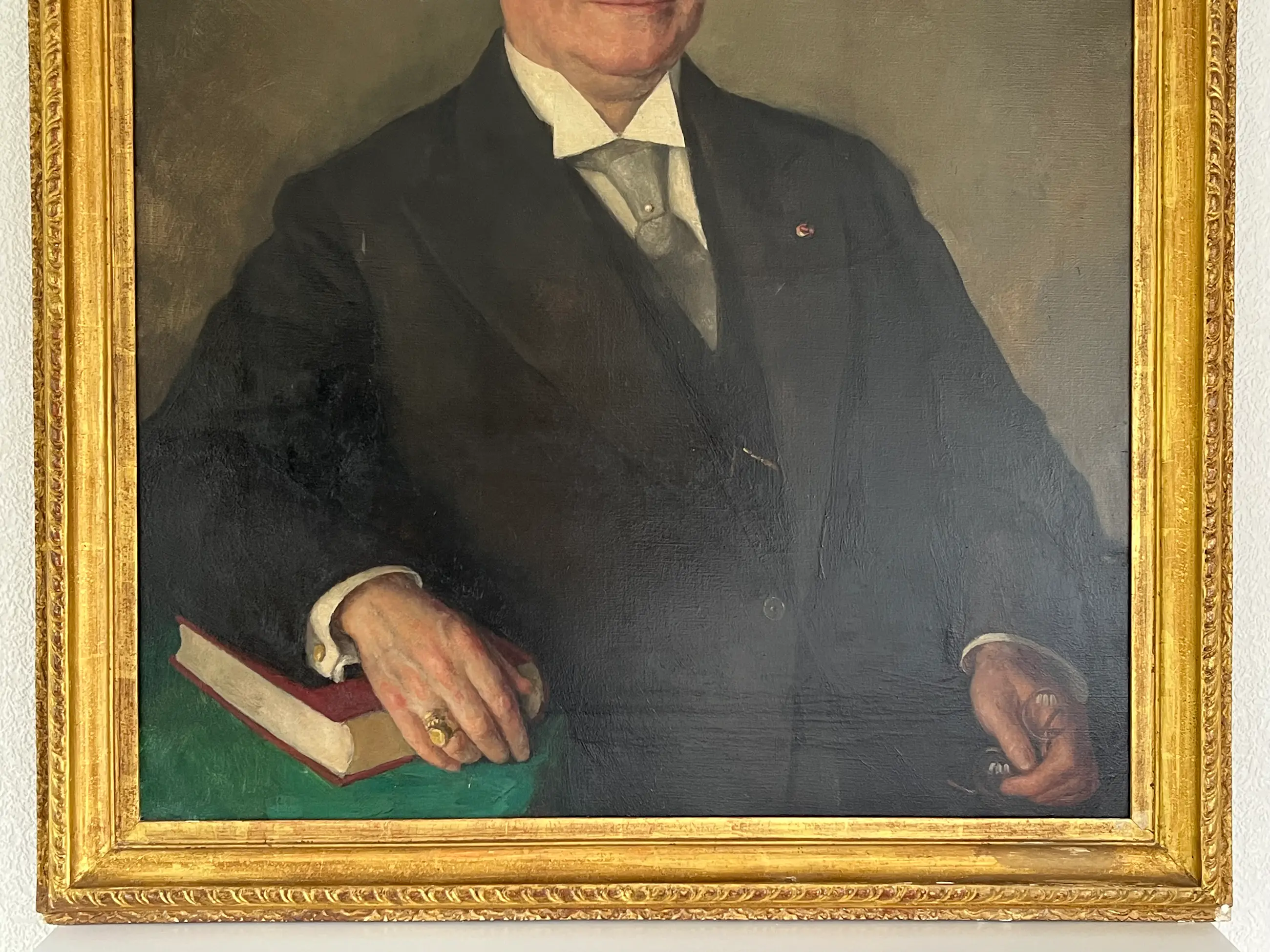
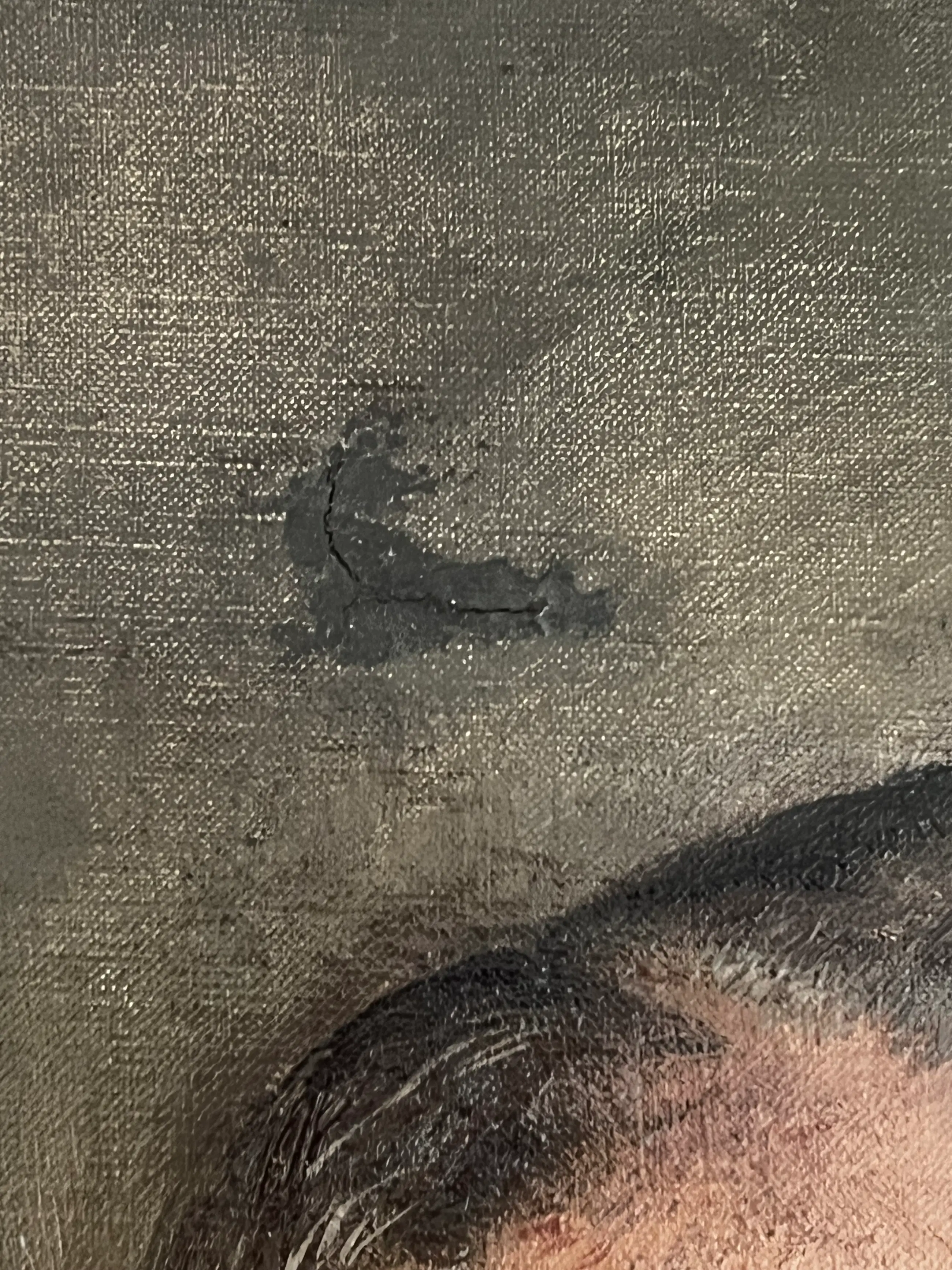
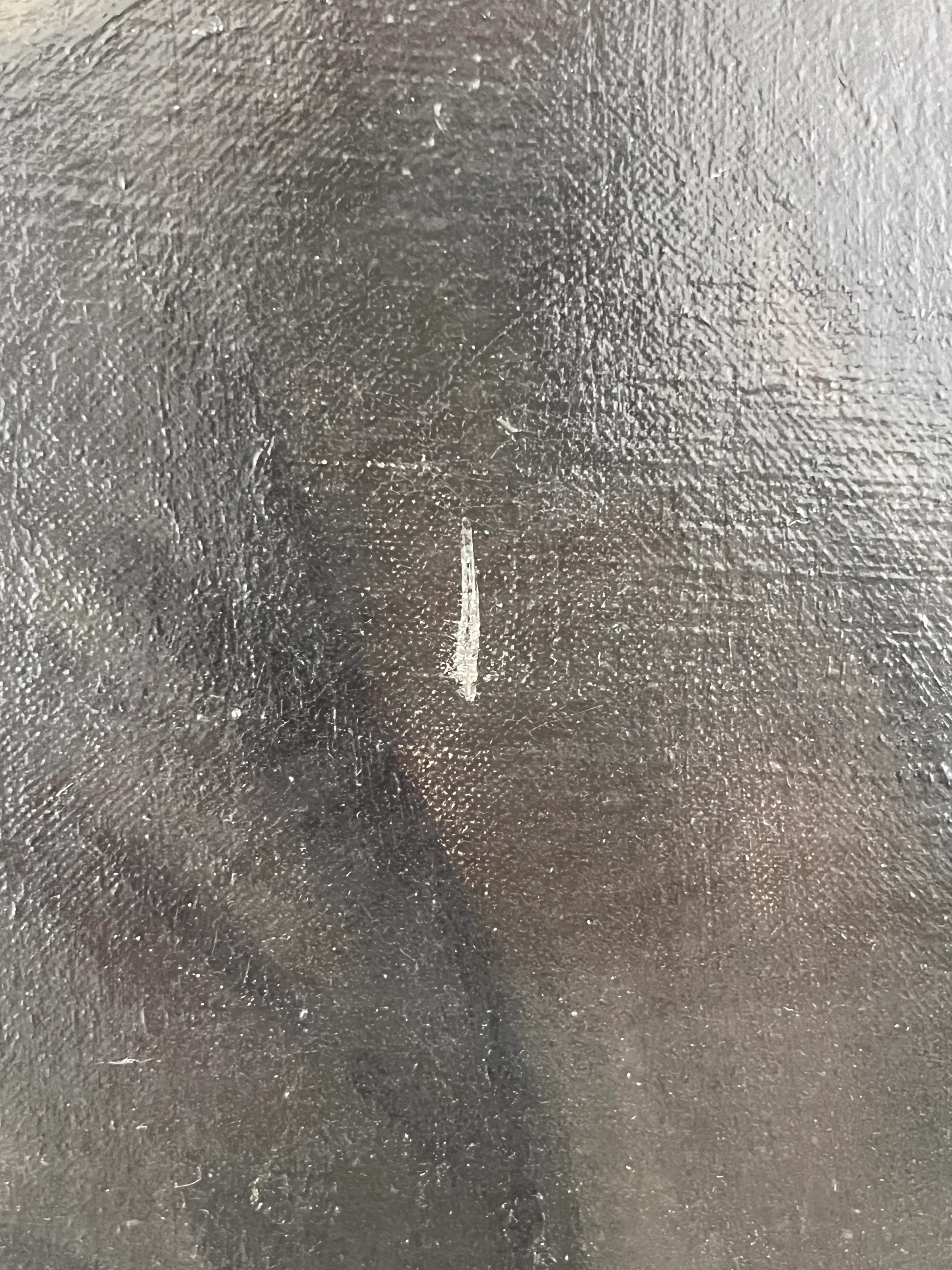
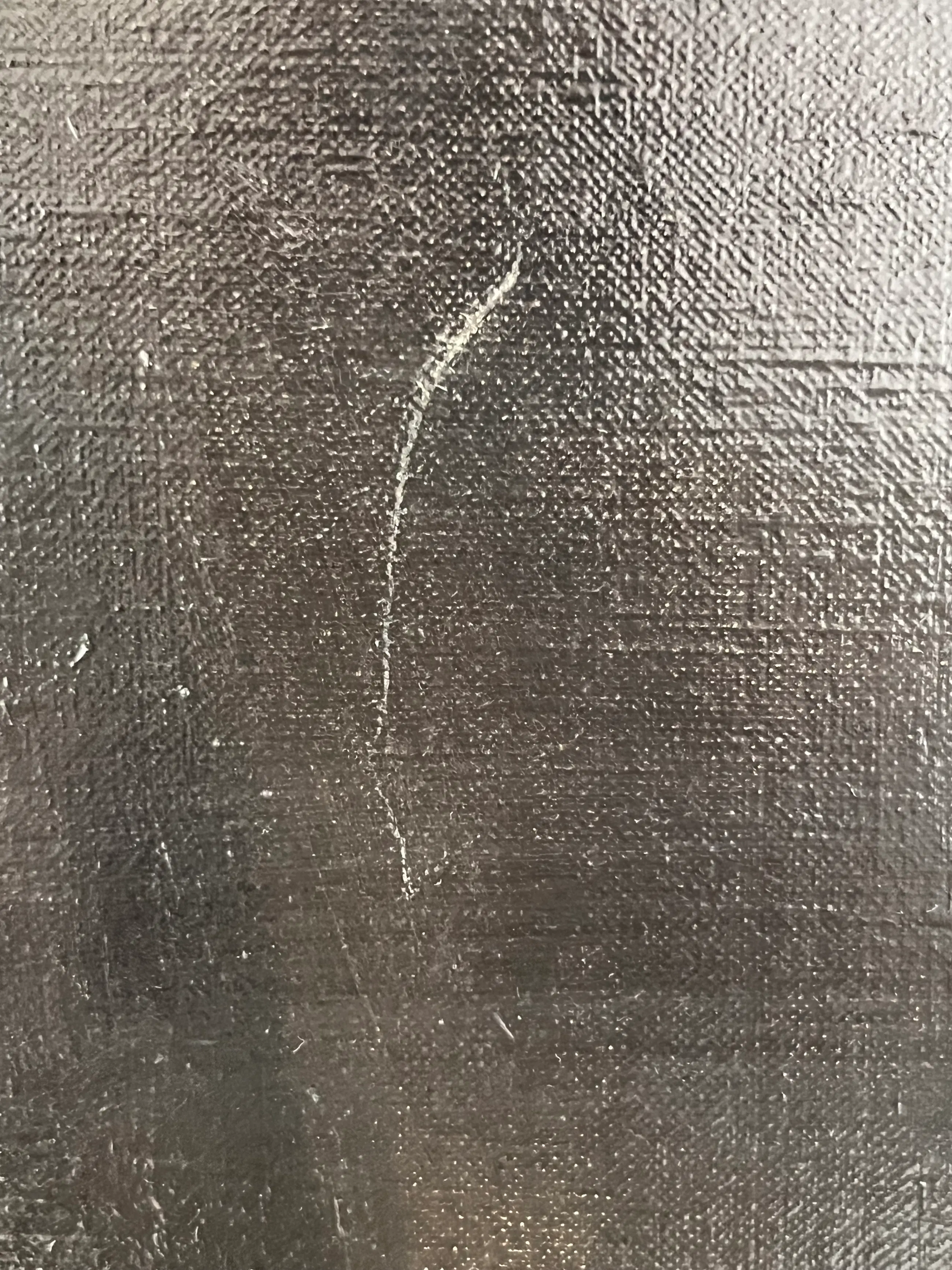
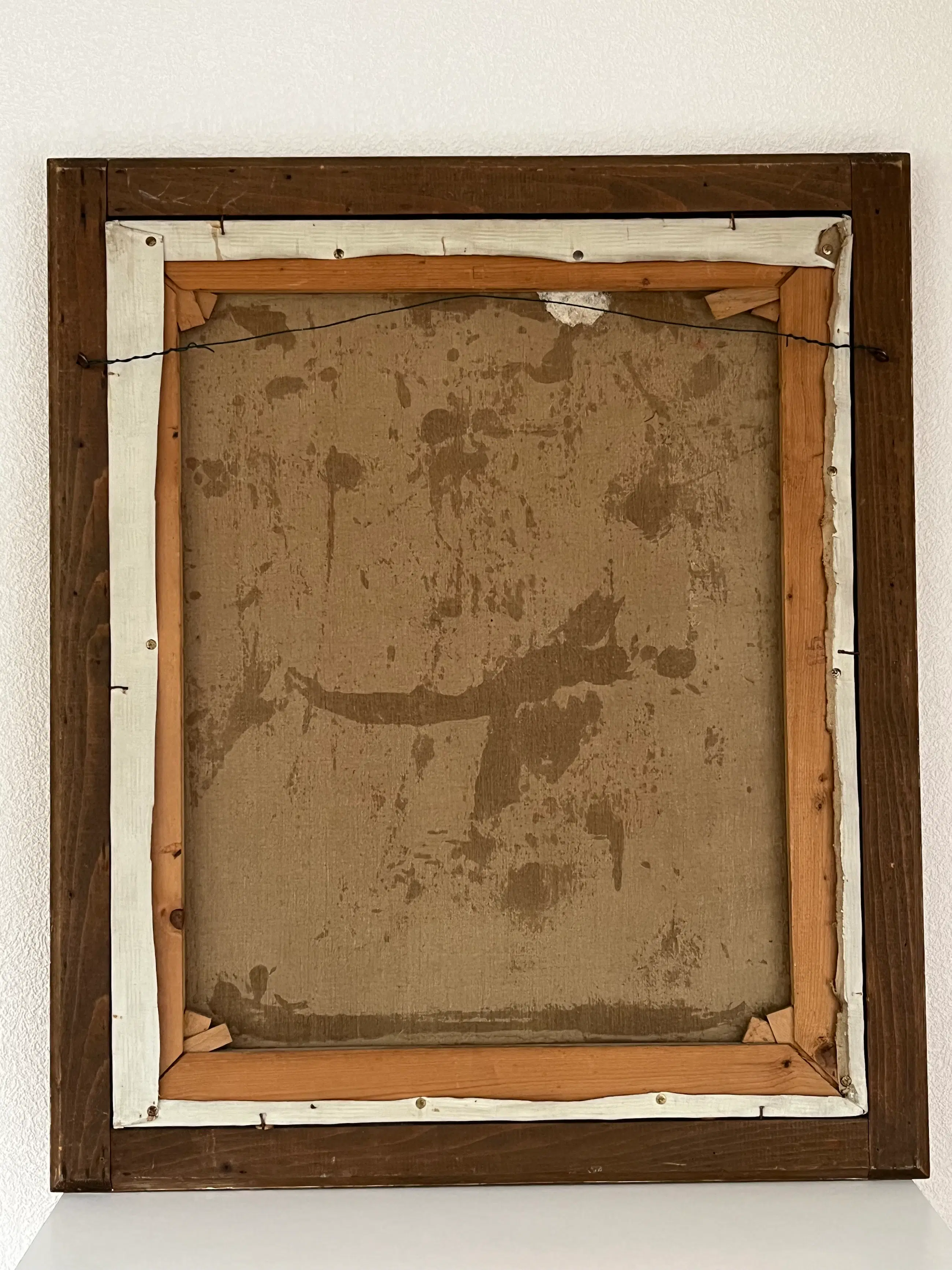
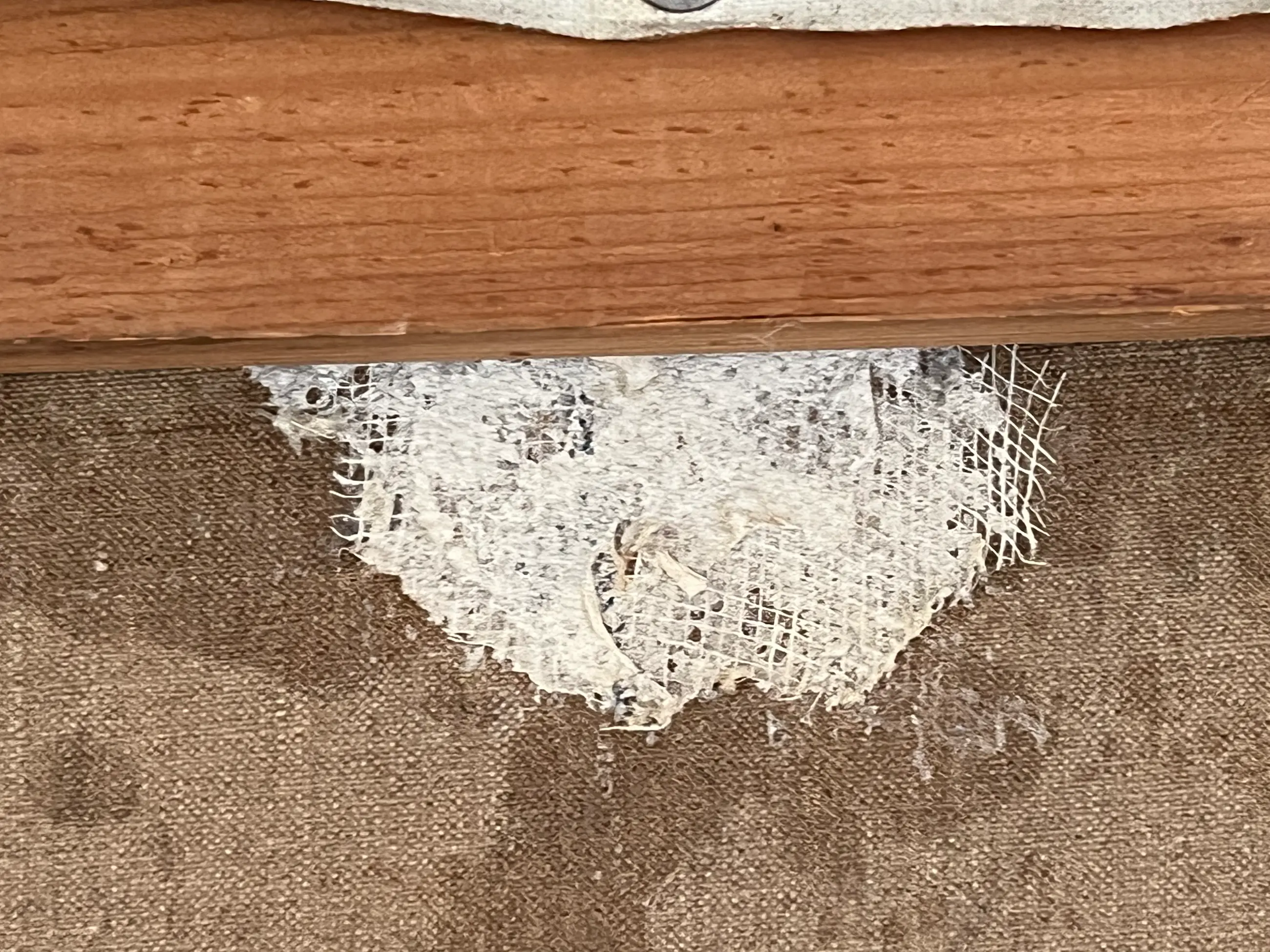
| The paint is still neatly applied. The painting has a historical repair where a tear has been mended. Two scratches are visible. | |
| Shipment | |
| Pick up | The work can be picked up on location. As a buyer you must bring your own packaging materials. The location is: Bennebroek, The Netherlands |
| courier-service | If you are unable to collect a work yourself, you can engage a courier service to have the work collected. Click here for more information about how this works and view the rates. |
| Shipment | Due to its size or fragility, it is not possible to send this item via regular mail |
| Guarantee | |
| Guarantee | By putting the item up for auction, I agree with the Terms of Guarantee as they are applicable at Kunstveiling regarding the accuracy of the description of the item |
| Consumer law | This seller has indicated that they are a private seller. Therefore, consumer law does not apply. Read more |
The seller takes full responsibility for this item. Kunstveiling only provides the platform to facilitate this transaction, which has to be settled directly with the seller. More information .
Georg Rueter (1875-1966)
 Dutch
S
Skillford The Netherlands
2024 | |
4 sold | |
83 cm
98 cm
71 cm
85 cm