Gerti Bierenbroodspot - The Horses of San Marco
Auction details
| Start time | 14-8-2026 at 7:24 |
| End time | 19-8-2026 at 17:40 |
Starting bid €20,000
Buyer's premium : 15%
Missed the auction? The item may still be available. You can make one single bid in the aftersale.
| Pick up | Yes, possible |
| Location | Marbella, Spain |
 Dutch
Dutch - Description
- Gerti Bierenbroodspot (1940)
| Type of artwork | Painting |
| Year | 1980 |
| Technique | Acrylic |
| Support | Panel |
| Framed | Not framed |
| Dimensions | 220 x 1700 cm (h x w) |
| Signed | Hand signed |
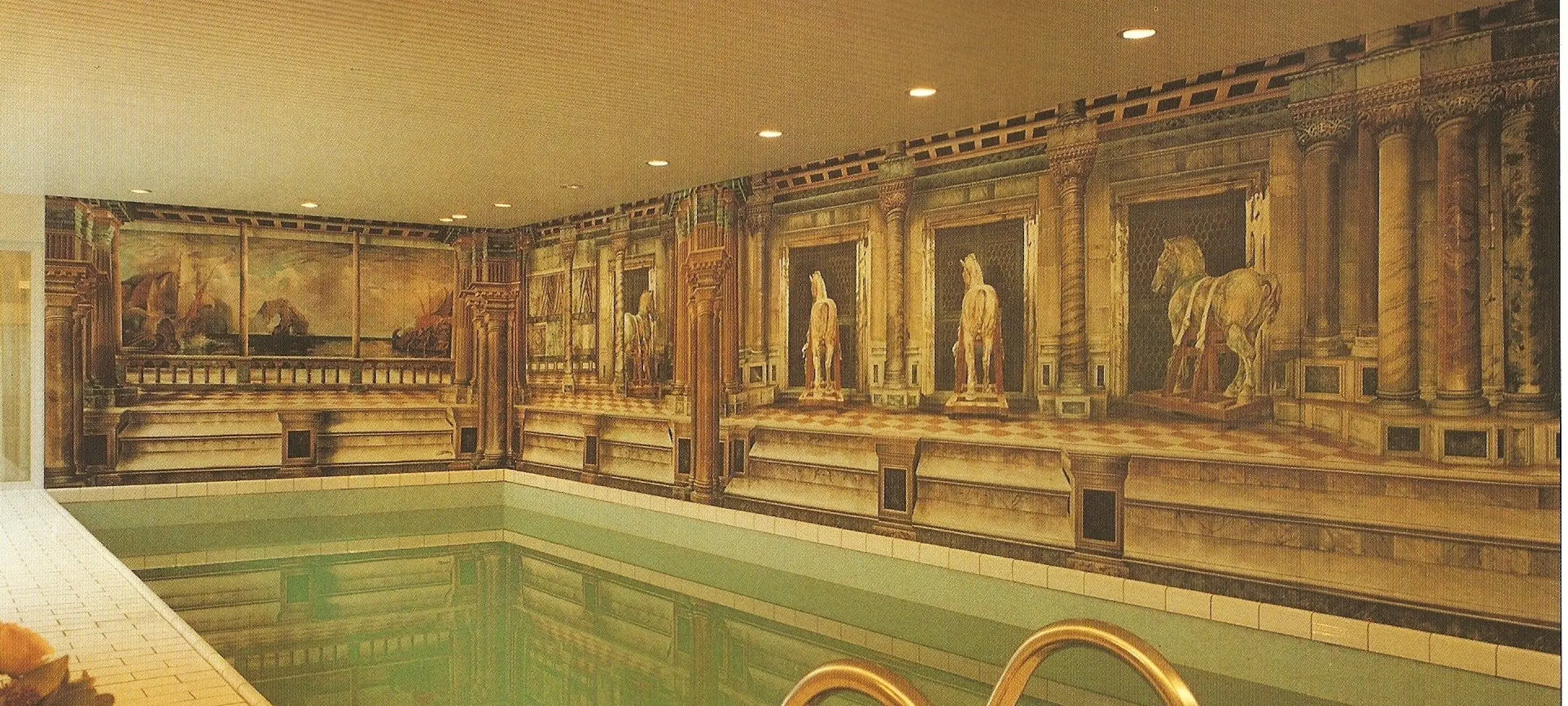
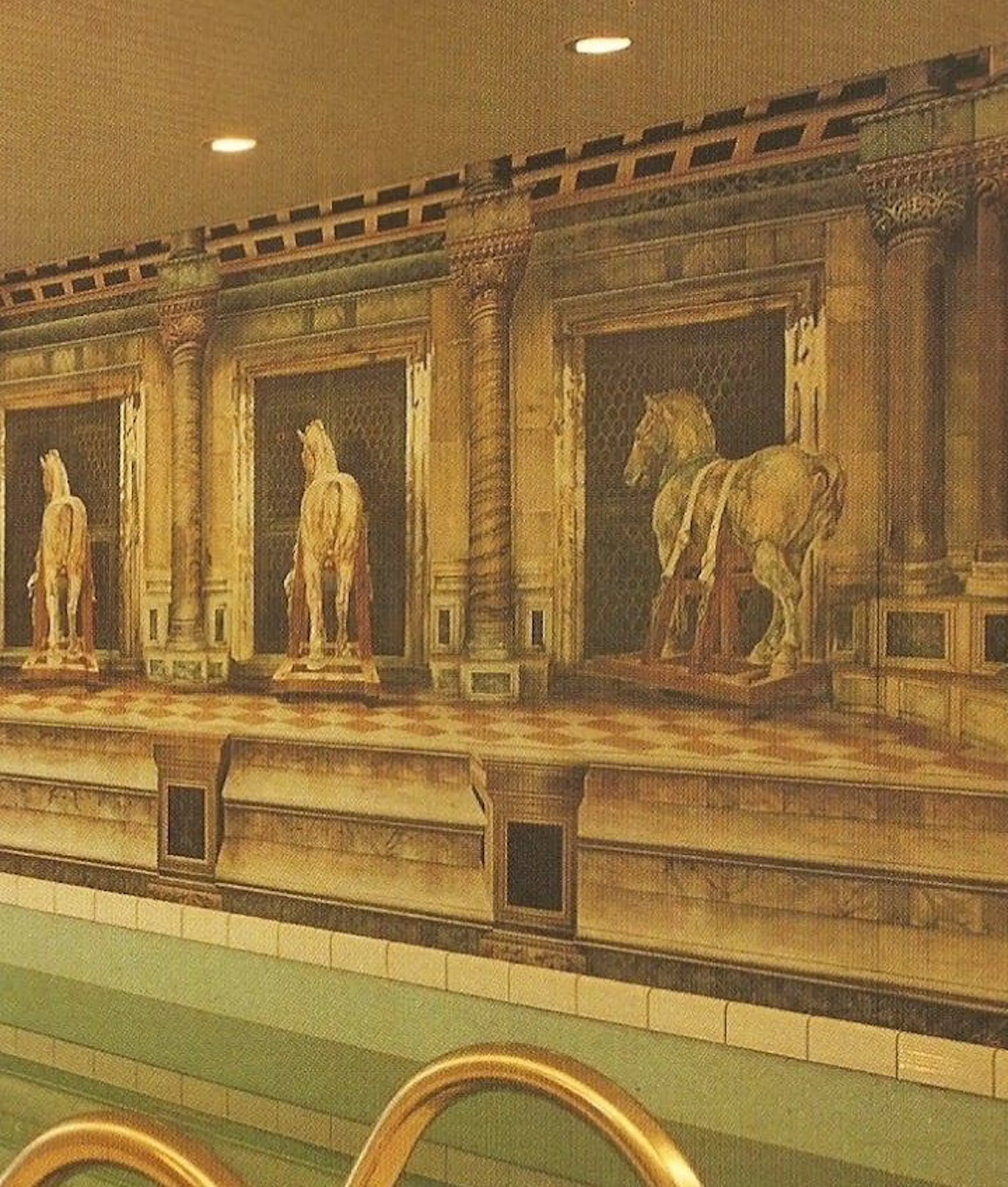
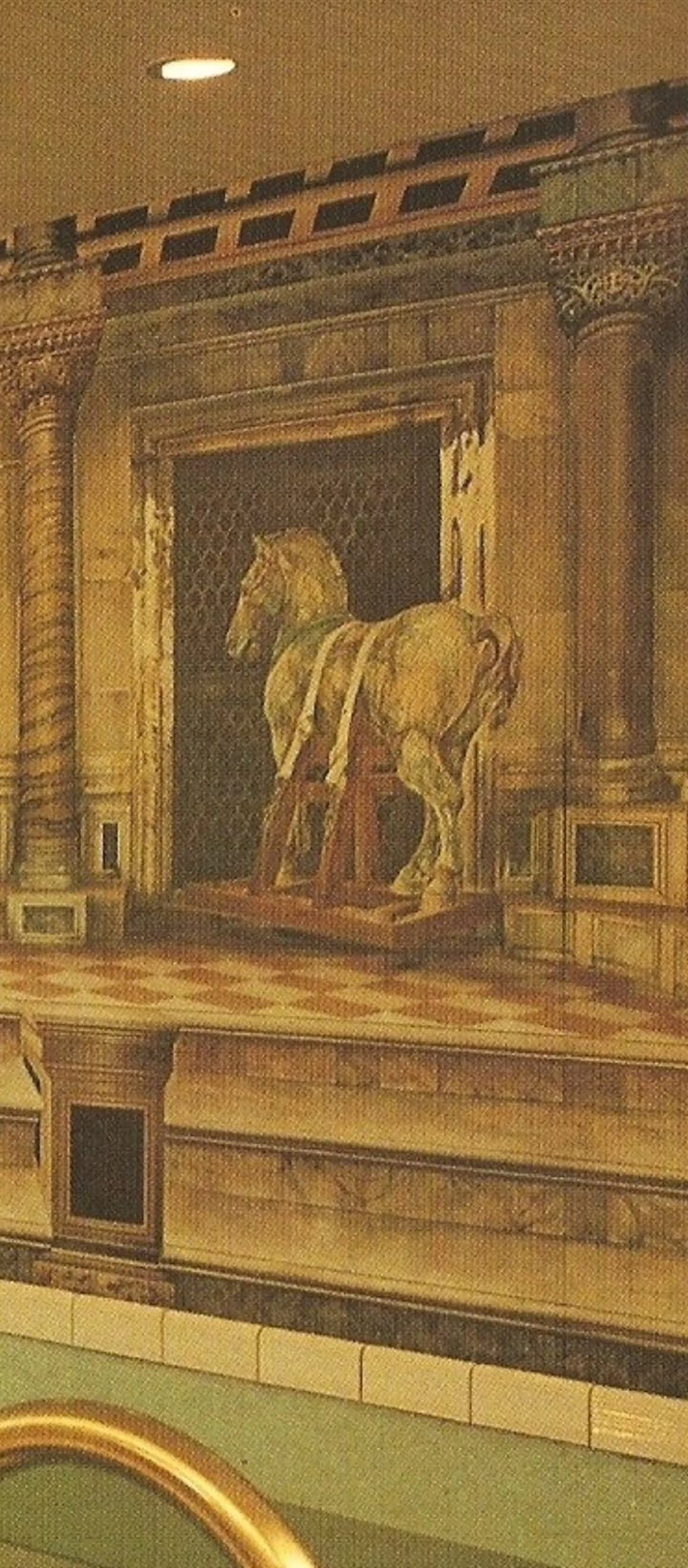
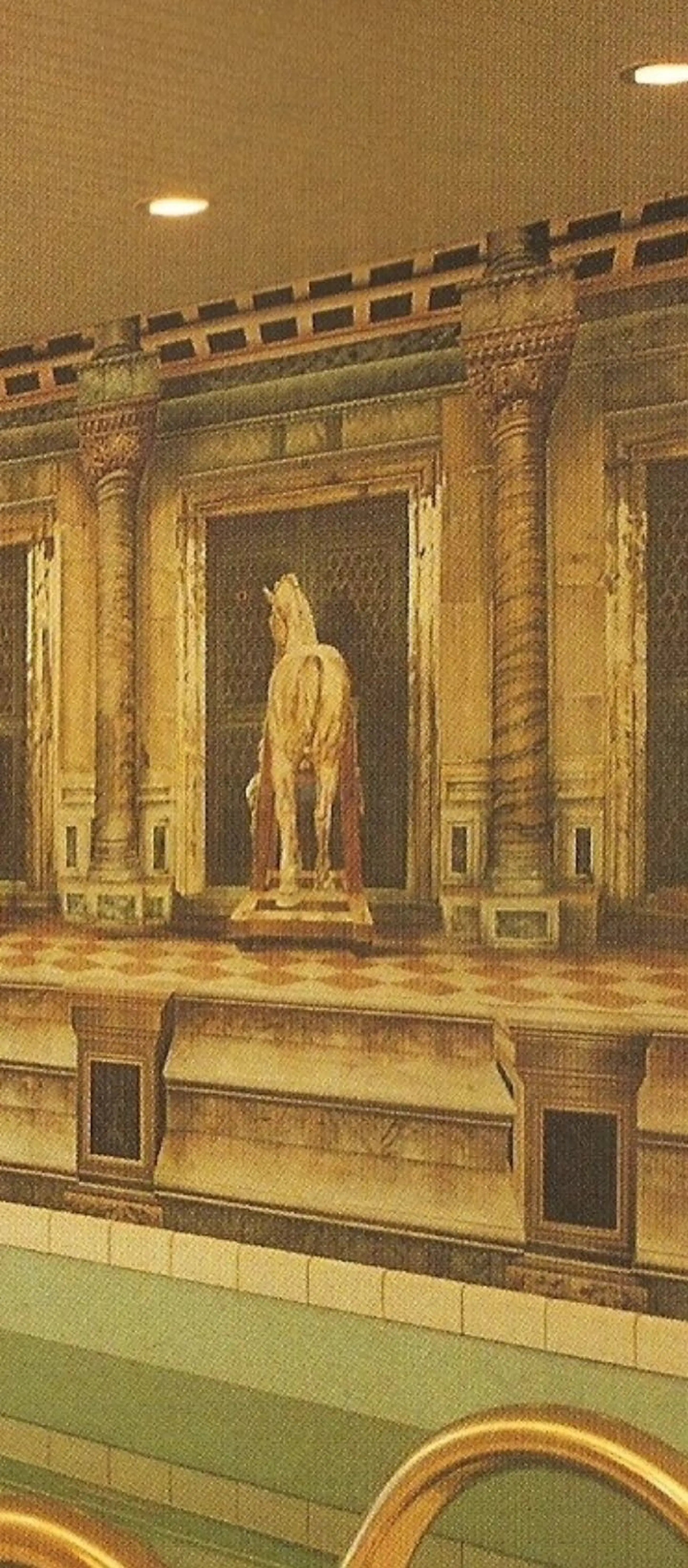
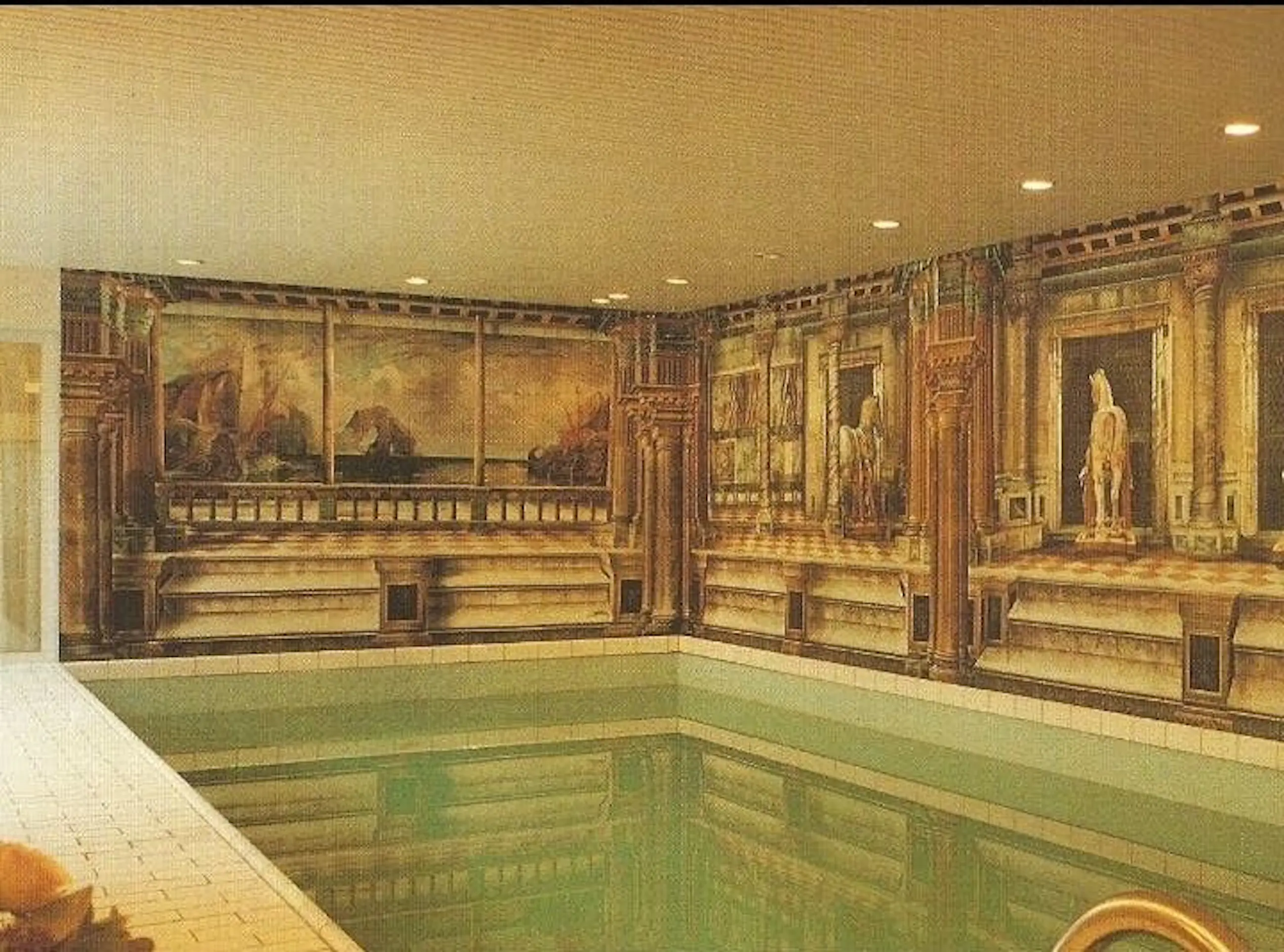
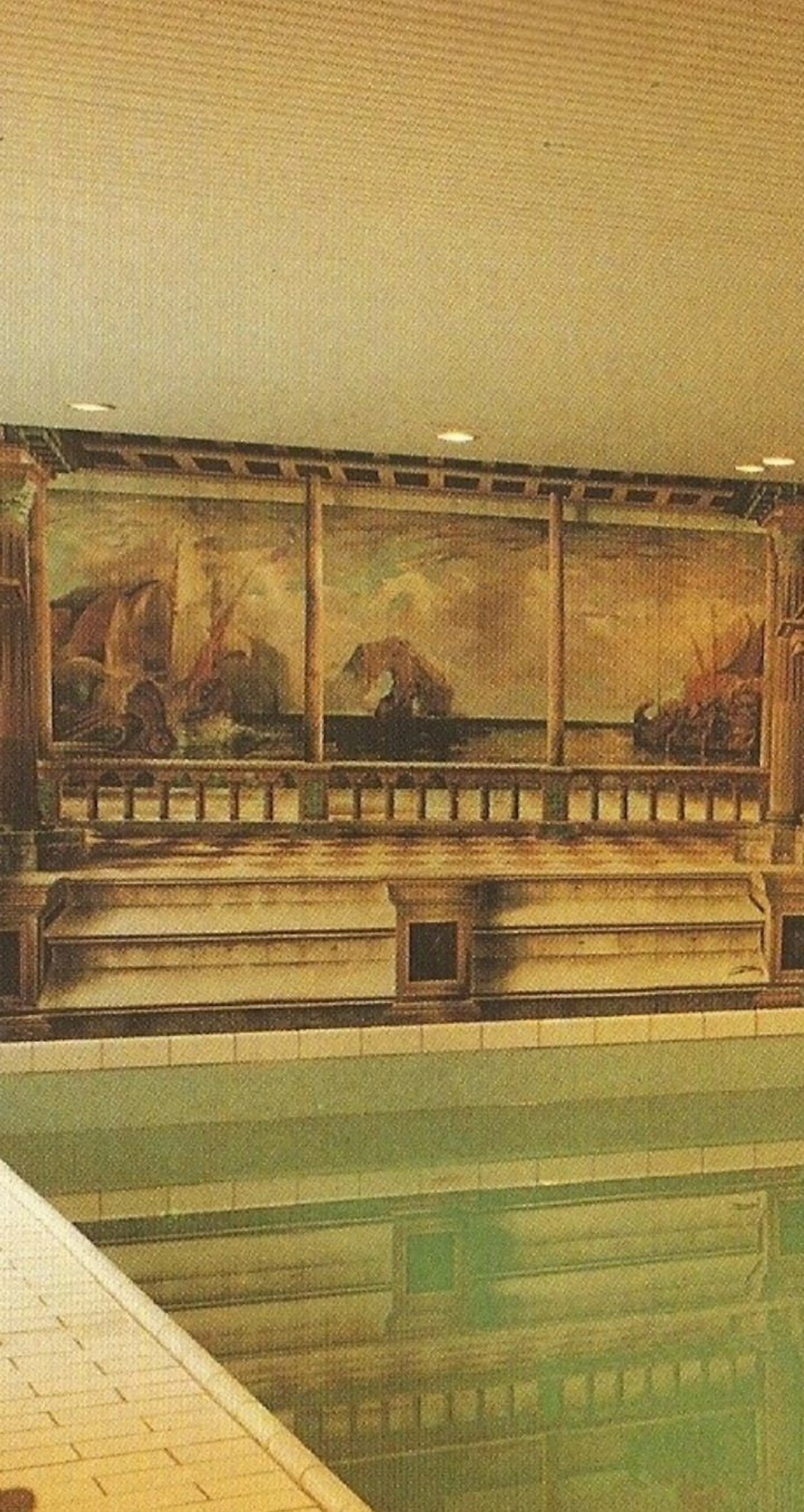
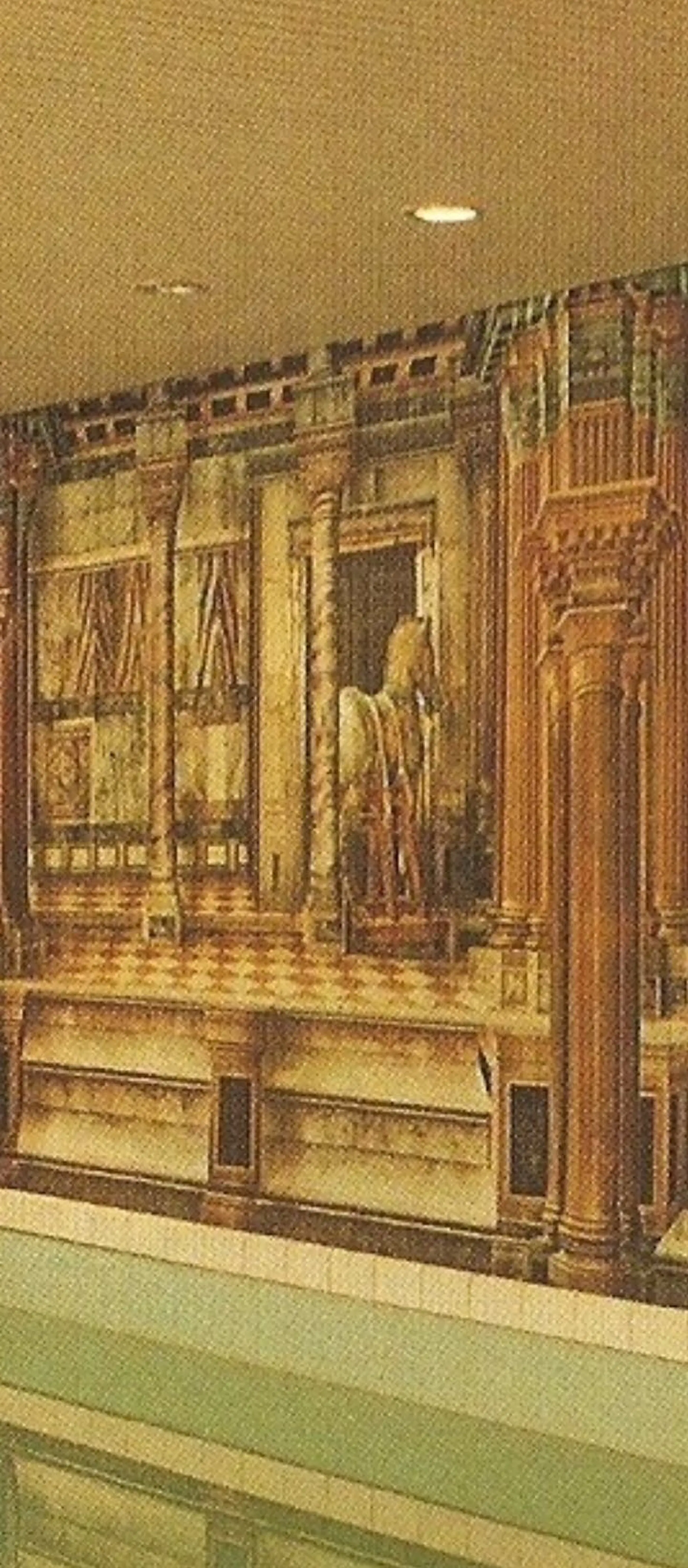
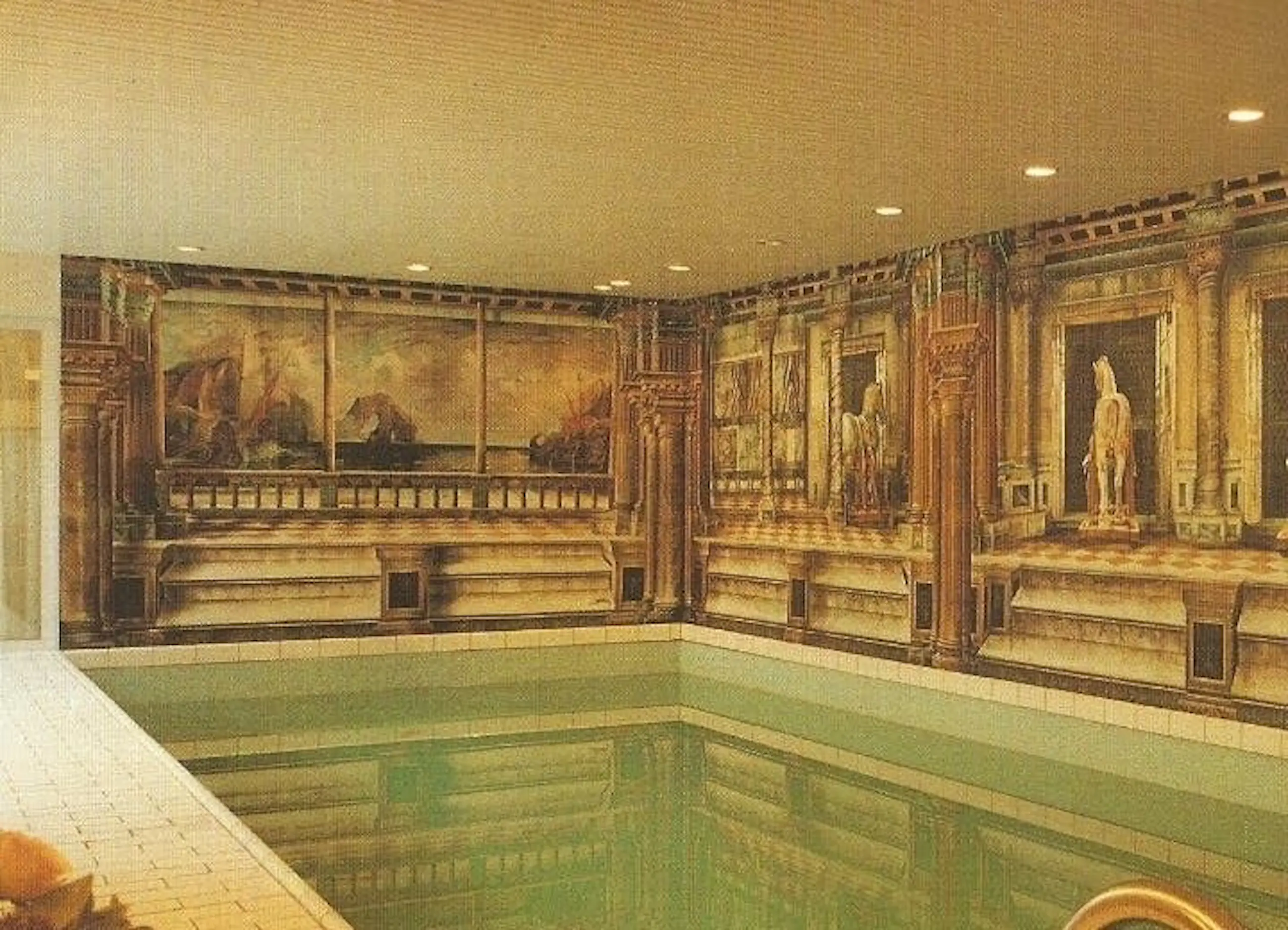
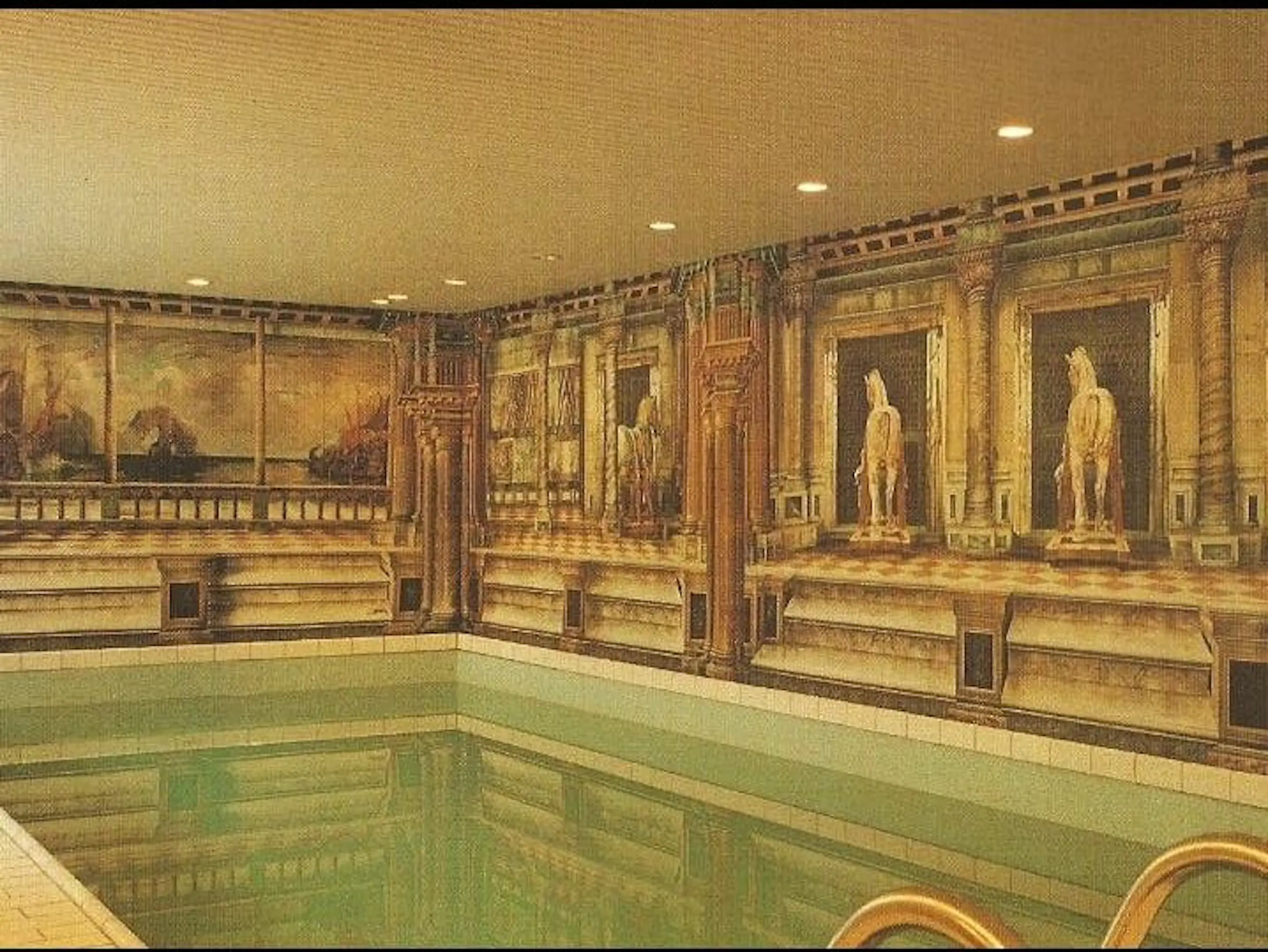
Gerti Bierenbroodspot – The Horses of San Marco (1983–1986)
Few paintings tell a story as extraordinary as this monumental work by Dutch artist Gerti Bierenbroodspot.
Commissioned in 1983 for a prestigious indoor swimming pool in the Netherlands, the painting measures an impressive 17 metres by 2.2 metres. It was conceived not merely as a mural, but as an immersive experience. As swimmers moved through the water, the composition was designed to create the illusion that they could step directly into the timeless world of the Horses of San Marco.
The commission demanded an innovative technical solution. The artwork had to withstand decades of humidity, chlorine, and constant temperature fluctuations. Following extensive research, Gerti chose to paint on aircraft-grade aluminium—an exceptionally durable material rarely used for works of this scale. The result is a masterpiece that combines artistic vision with remarkable technical ingenuity.
To prepare for the project, Gerti spent several months in Venice, studying the legendary Horses of San Marco from life. Rather than painting the famous replicas that overlook Piazza San Marco, she chose to depict the original sculptures housed inside the Museum of St. Mark's Basilica. Removed from the façade to protect them from pollution and acid rain, the originals possess an intimacy and presence experienced by only a fortunate few. It is this rare encounter that Gerti captured on canvas.
Completed in 1986, the painting immediately attracted national attention. It was featured on Dutch television by Sonja Barend and Boudewijn Büch, bringing Gerti Bierenbroodspot into homes across the Netherlands and establishing her as one of the country's leading contemporary artists. In recognition of her contribution to Dutch art and culture, she was later appointed a Knight in the Order of Orange-Nassau by Beatrix of the Netherlands.
The subject of this remarkable painting is as compelling as the work itself.
The Horses of San Marco are among the world's most celebrated surviving sculptures from antiquity. Believed to have been created nearly two thousand years ago, they have journeyed through the rise and fall of empires. From the Byzantine capital of Constantinople to the glory of Renaissance Venice, from Napoleon's Paris and back again, they have become enduring symbols of victory, power, resilience, and artistic excellence.
Originally forming a ceremonial quadriga—a chariot drawn by four horses—they represented triumph in the ancient world and stood as emblems of imperial authority. Their exact origins remain uncertain, adding an enduring sense of mystery that has captivated historians for centuries. Few works of art have accumulated such a remarkable history or become so deeply woven into the story of European civilization.
More than historical treasures, the Horses of San Marco have come to symbolize endurance. They have survived conquest, war, political upheaval, and the passage of almost two millennia. Their journey reminds us that while empires rise and fall, truly great works of art transcend time.
Gerti Bierenbroodspot understood that she was painting far more than four magnificent horses. She was capturing one of history's greatest artistic icons and inviting the viewer into their world. The result is a work of exceptional scale, technical innovation, historical significance, and artistic ambition.
Today, this monumental painting stands not only as one of Gerti Bierenbroodspot's defining works, but as a rare opportunity to acquire an artwork that unites Dutch artistic achievement with one of the most powerful symbols of European cultural heritage.
| Condition | |
| Condition | Mint condition |
| Shipment | |
| Pick up | The work can be picked up on location. As a buyer you must bring your own packaging materials. The location is: Marbella, Spain |
| courier-service | If you are unable to collect a work yourself, you can engage a courier service to have the work collected. Click here for more information about how this works and view the rates. |
| Shipment | Due to its size or fragility, it is not possible to send this item via regular mail |
| Guarantee | |
| Guarantee | By putting the item up for auction, I agree with the Terms of Guarantee as they are applicable at Kunstveiling regarding the accuracy of the description of the item |
| Consumer law | This seller has indicated that they are a private seller. Therefore, consumer law does not apply. Read more |
The seller takes full responsibility for this item. Kunstveiling only provides the platform to facilitate this transaction, which has to be settled directly with the seller. More information .