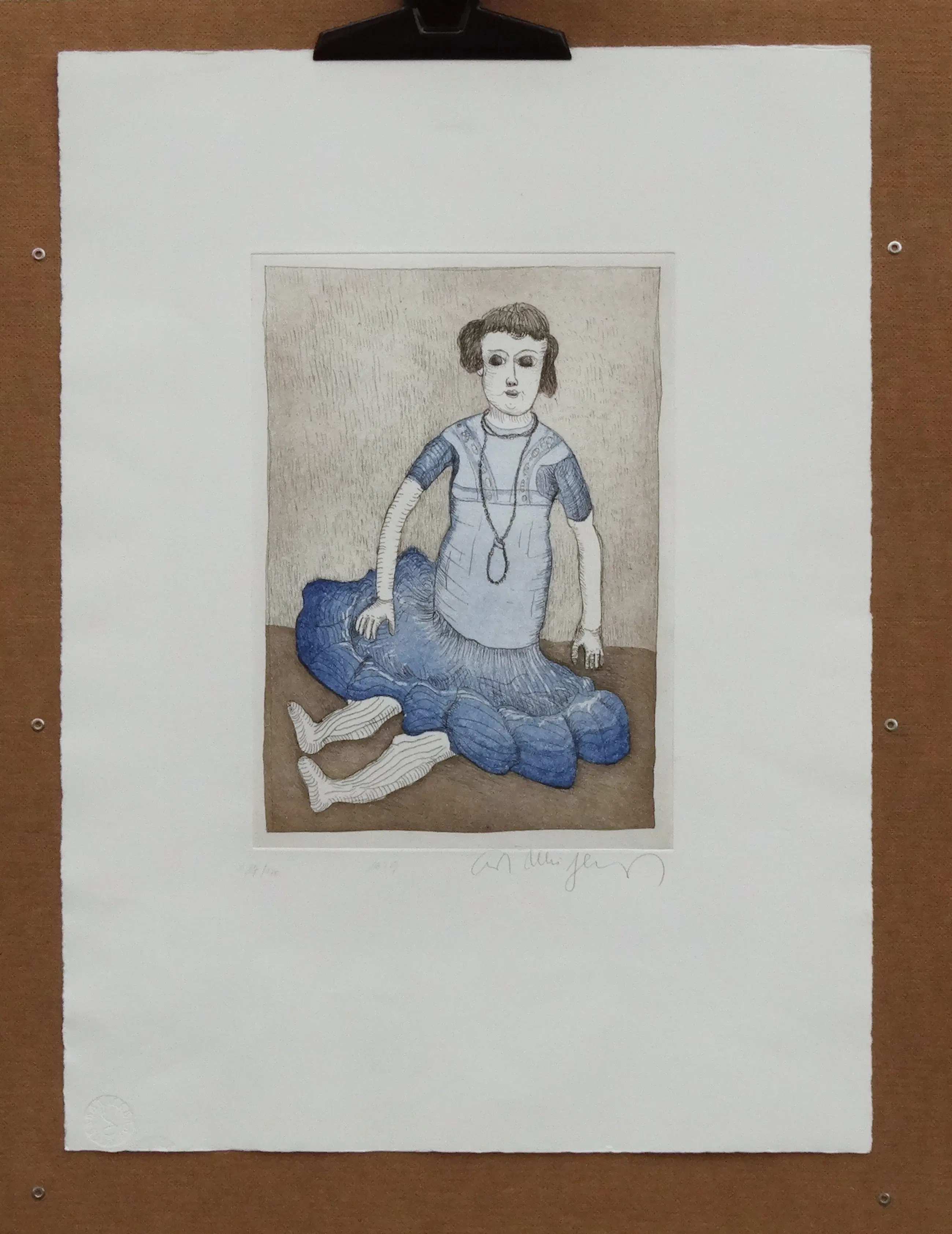
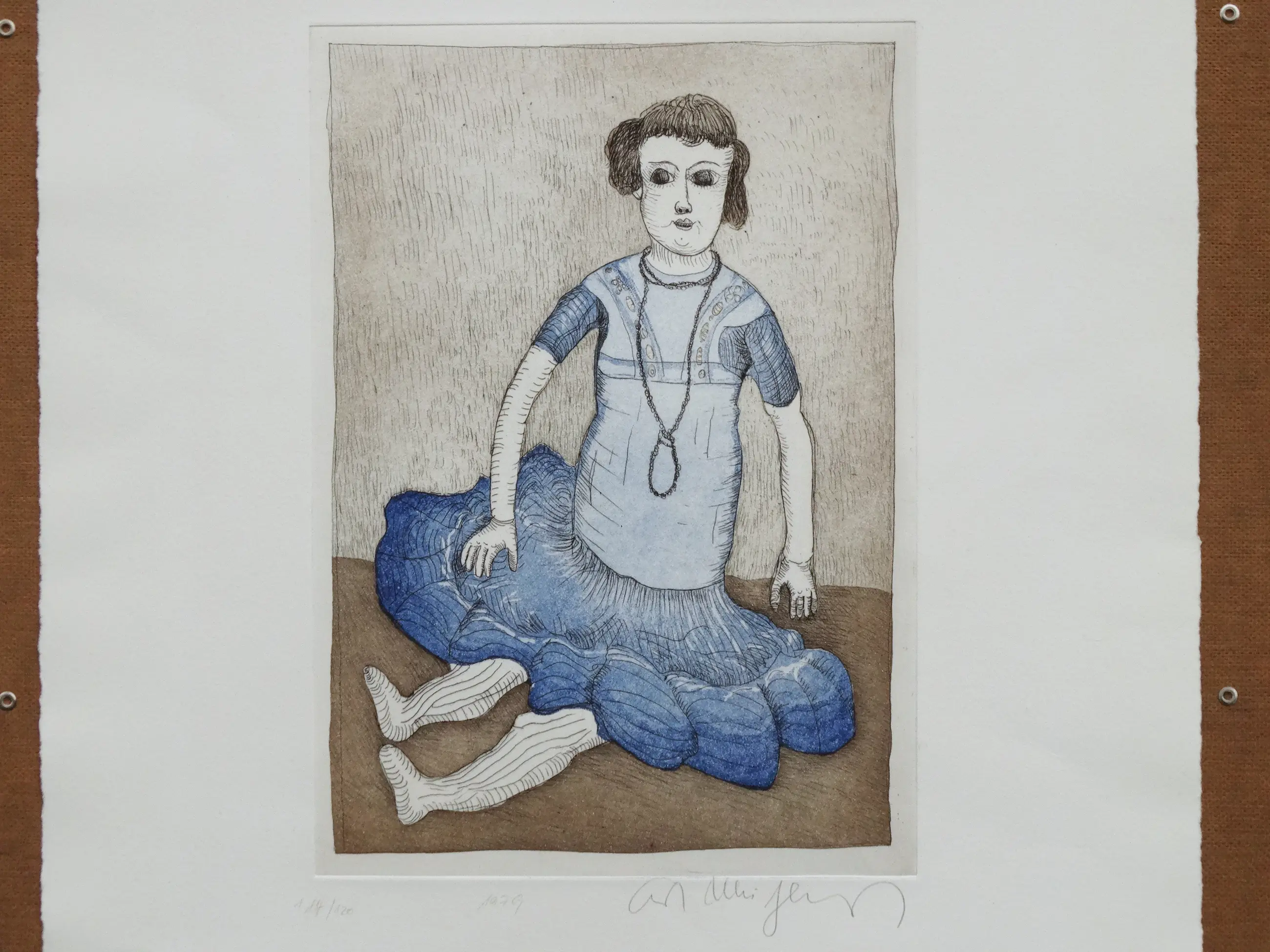
Kurt Muhlenhaupt - "The Doll", a seated antique doll
Auction details
| Start time | 23-6-2026 at 12:18 |
| End time | 5-7-2026 at 17:07 |
Starting bid €95
Buyer's premium : 15%
Missed the auction? The item may still be available. You can make one single bid in the aftersale.
| Pick up | Yes, possible |
| Location | Bremen, Germany |
 German
 - Description
- Kurt Muhlenhaupt (1921-2006)
| Type of artwork | Prints (signed) |
| Year | 1979 |
| Technique | Drypoint |
| Support | Paper |
| Style | Realistic |
| Subject | Figures |
| Framed | Not framed |
| Dimensions | 53.5 x 39 cm (h x w) |
| Signed | Hand signed |
| Edition | 120 |
Translated with Google Translate. Original text show .
“The Doll”
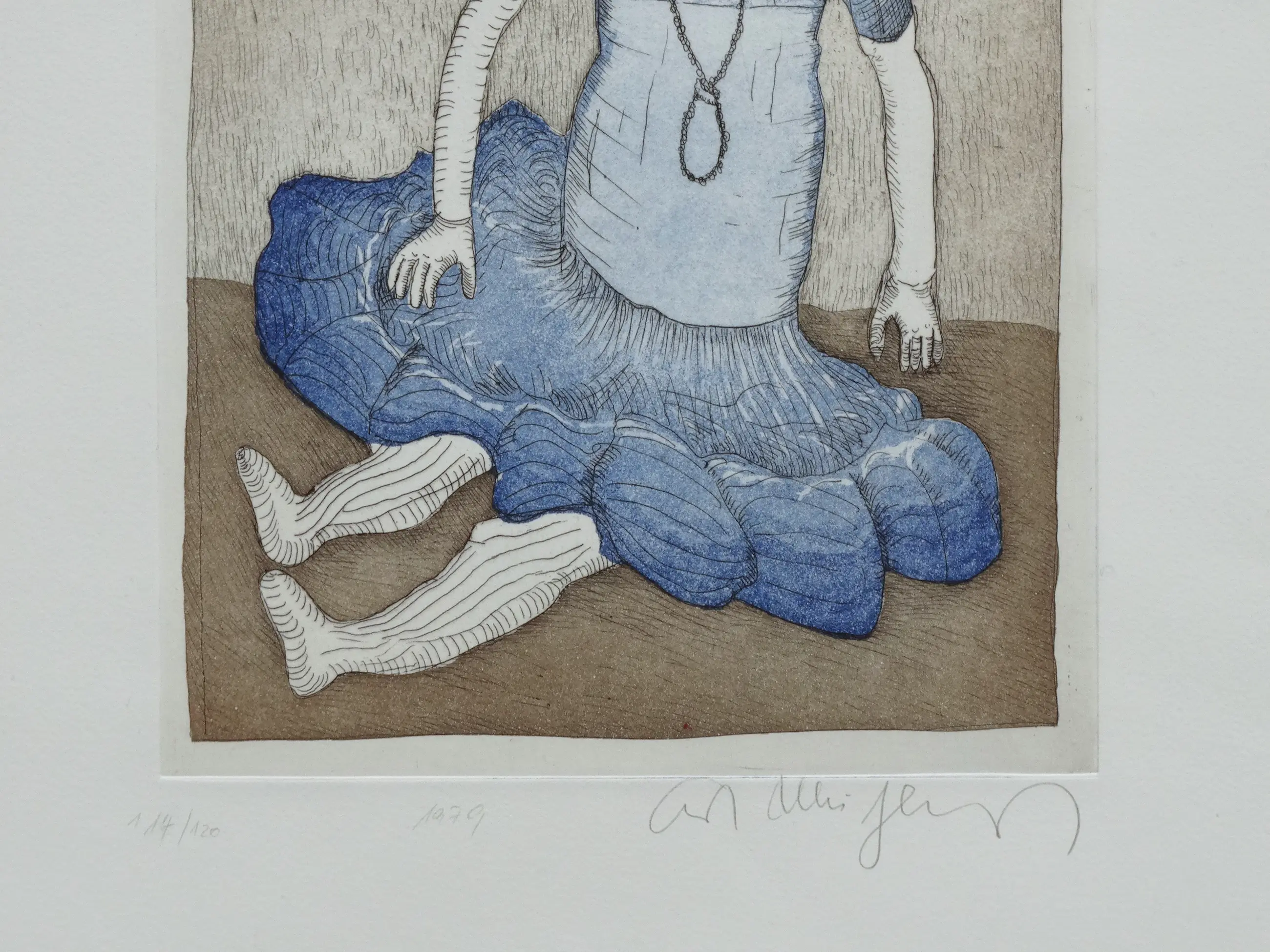
A high-quality and beautiful etching depicting a doll by the Berlin painter-poet Kurt Mühlenhaupt (1921-2006) in a limited edition of only 120 copies!
Guaranteed original color etching on etching paper by Kurt Mühlenhaupt
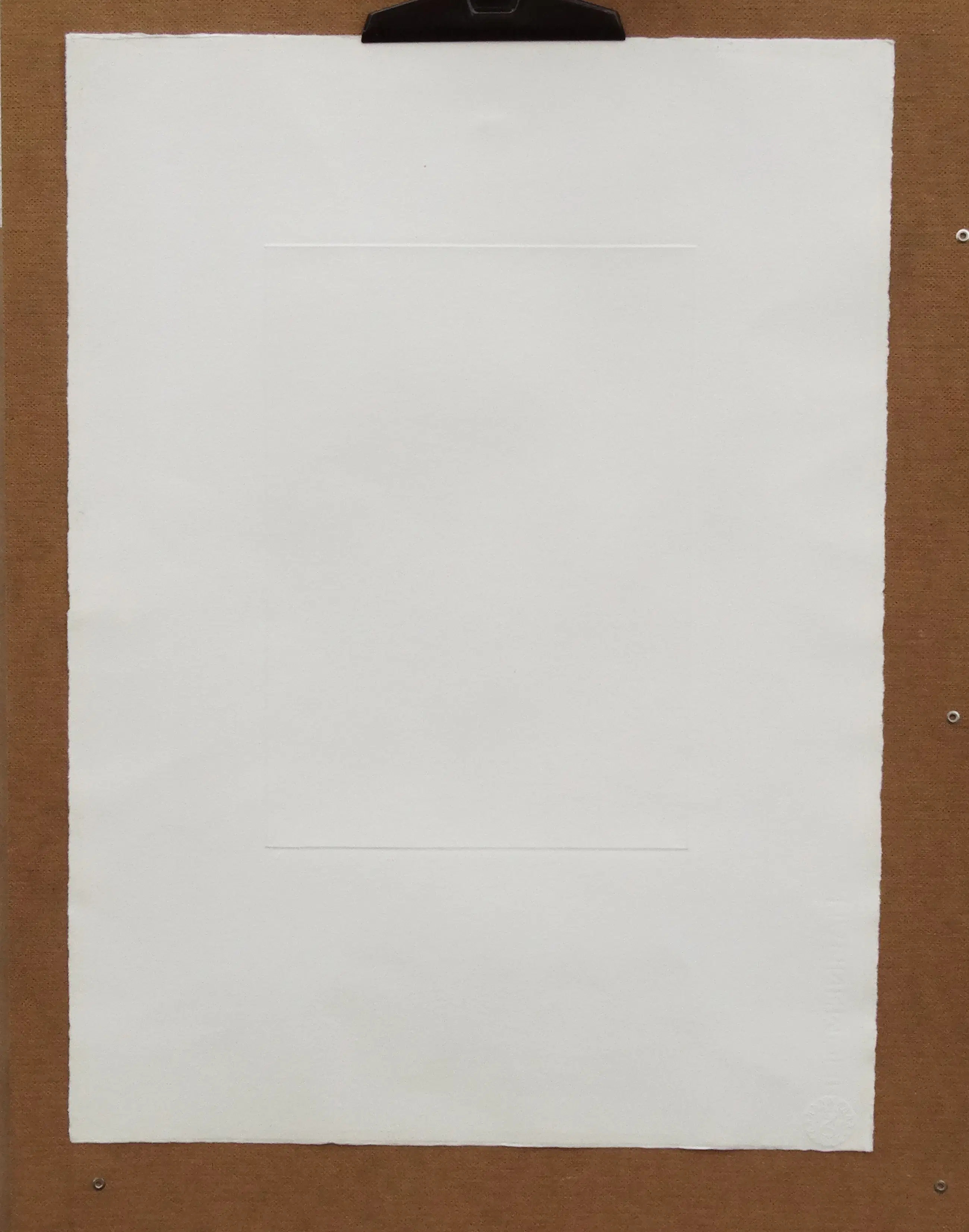
Unframed
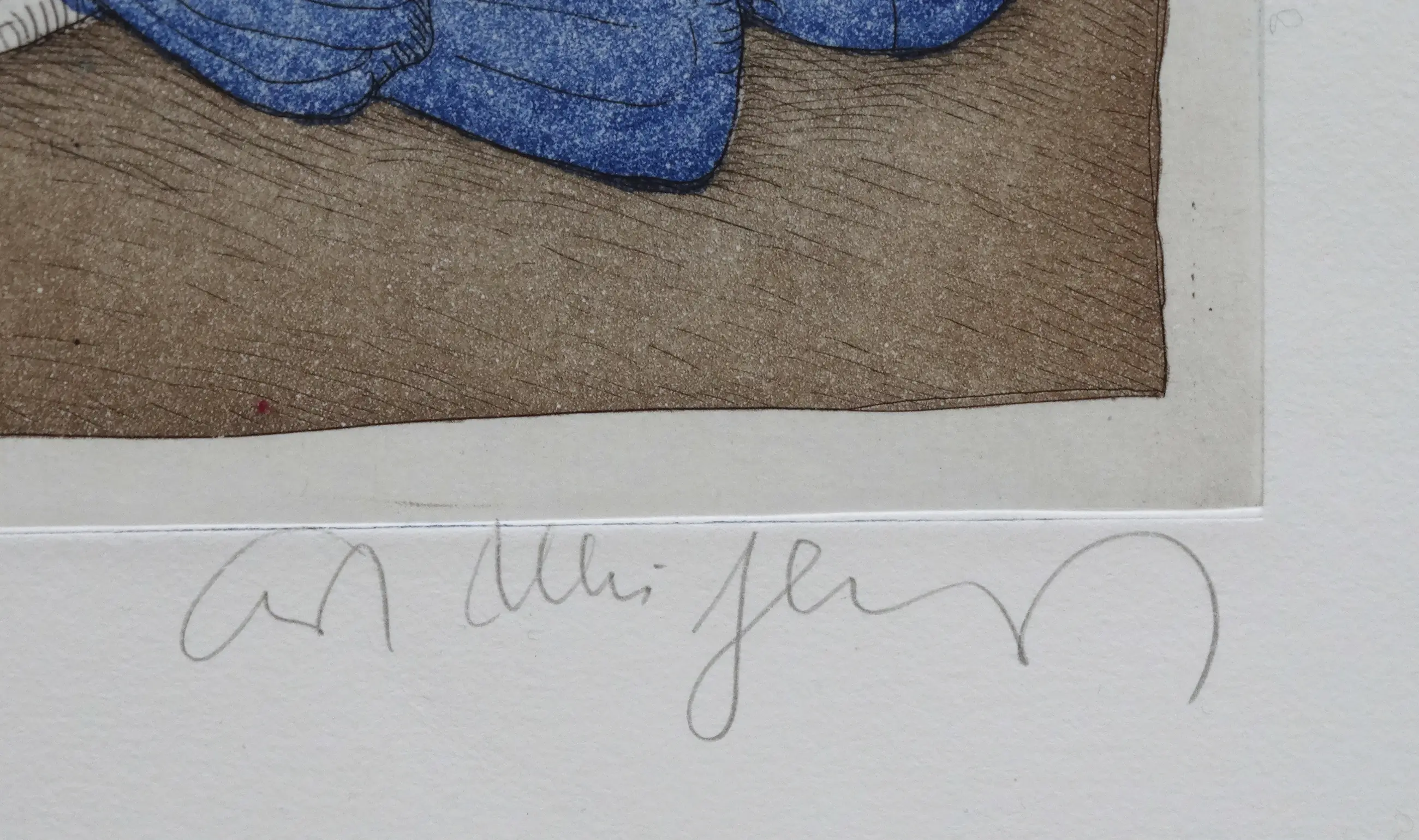
Signed by the artist in the lower right: Kurt Mühlenhaupt
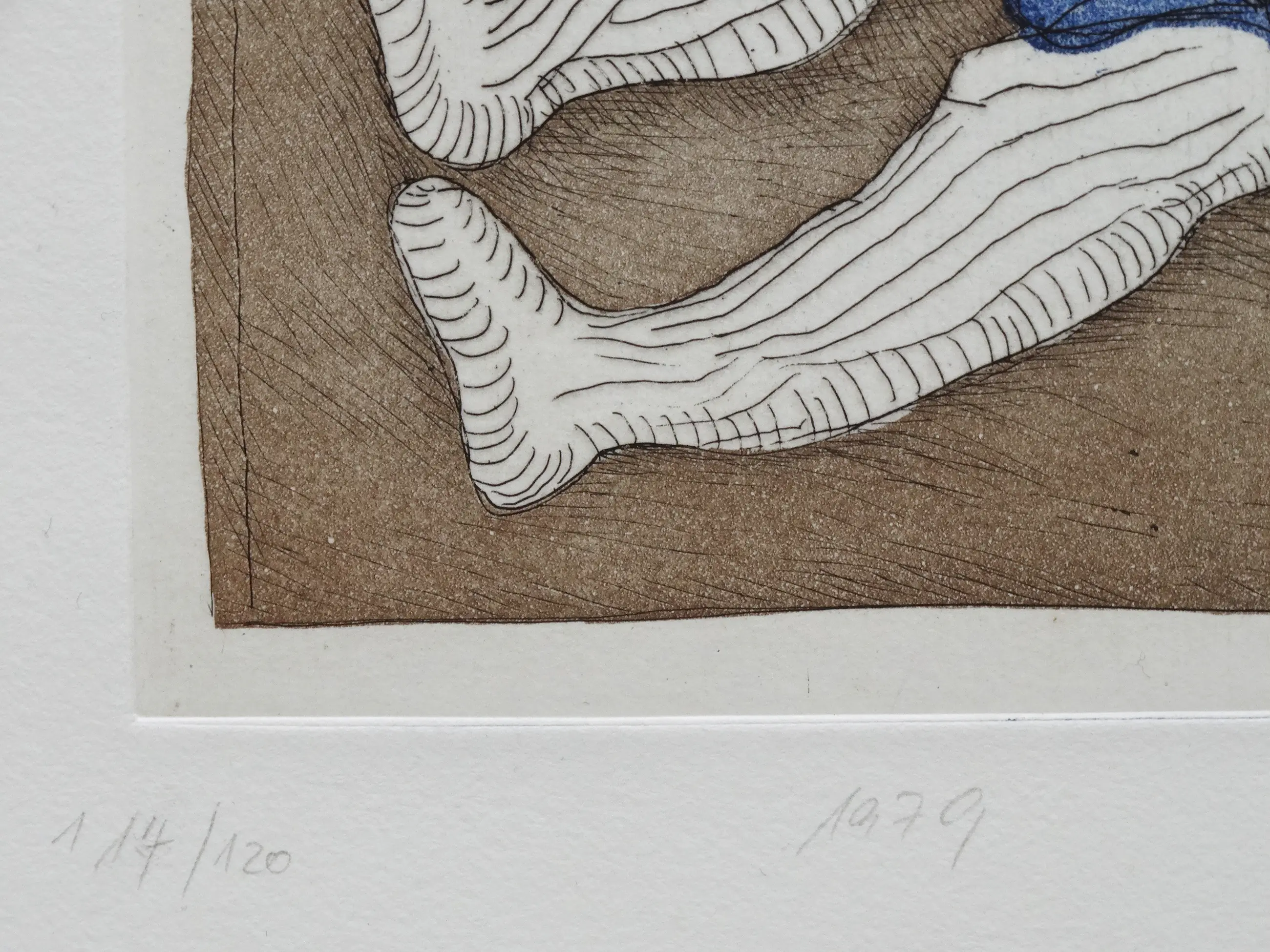
Dated and edition number indicated in the lower left: 1979 and 114/120
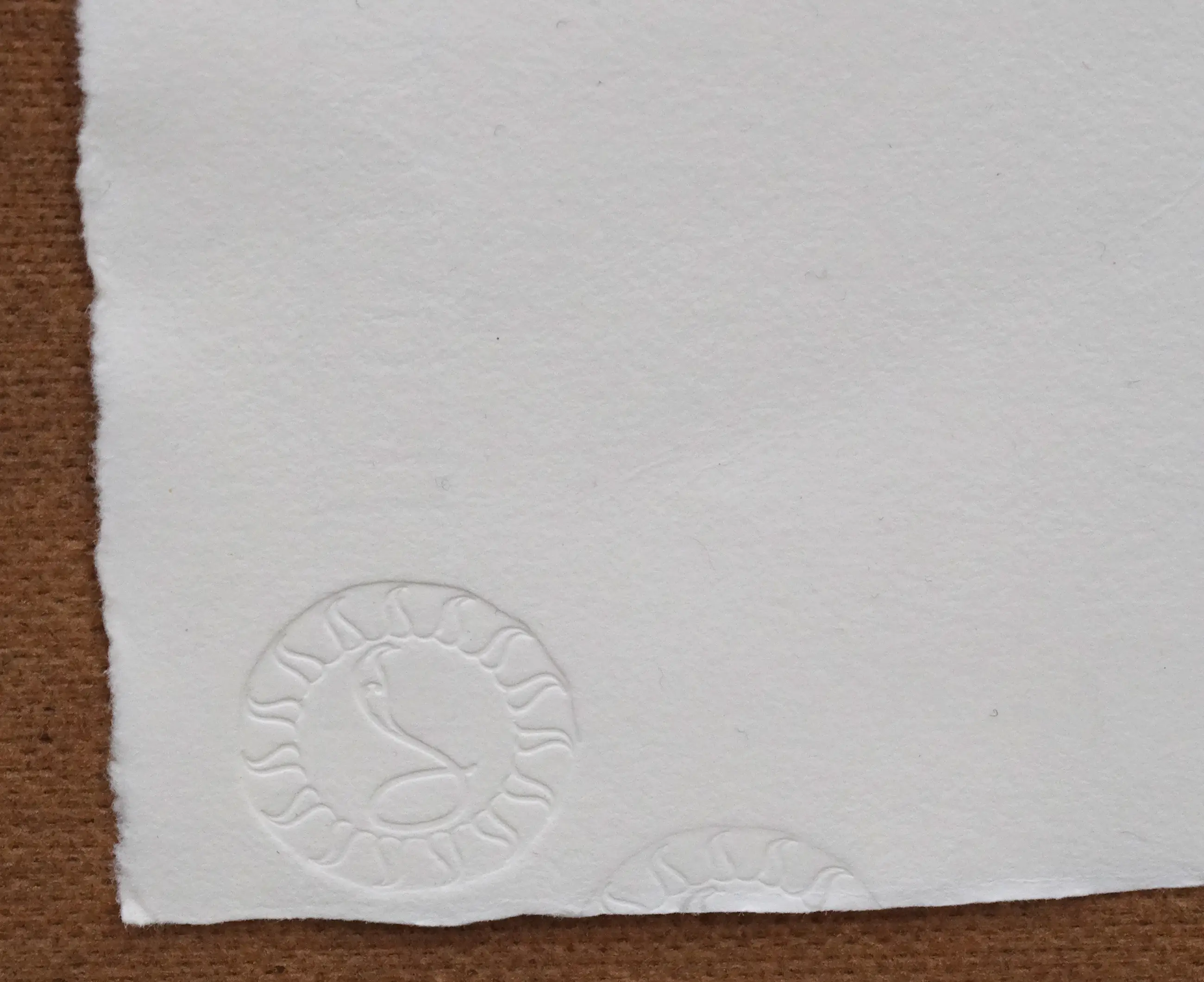
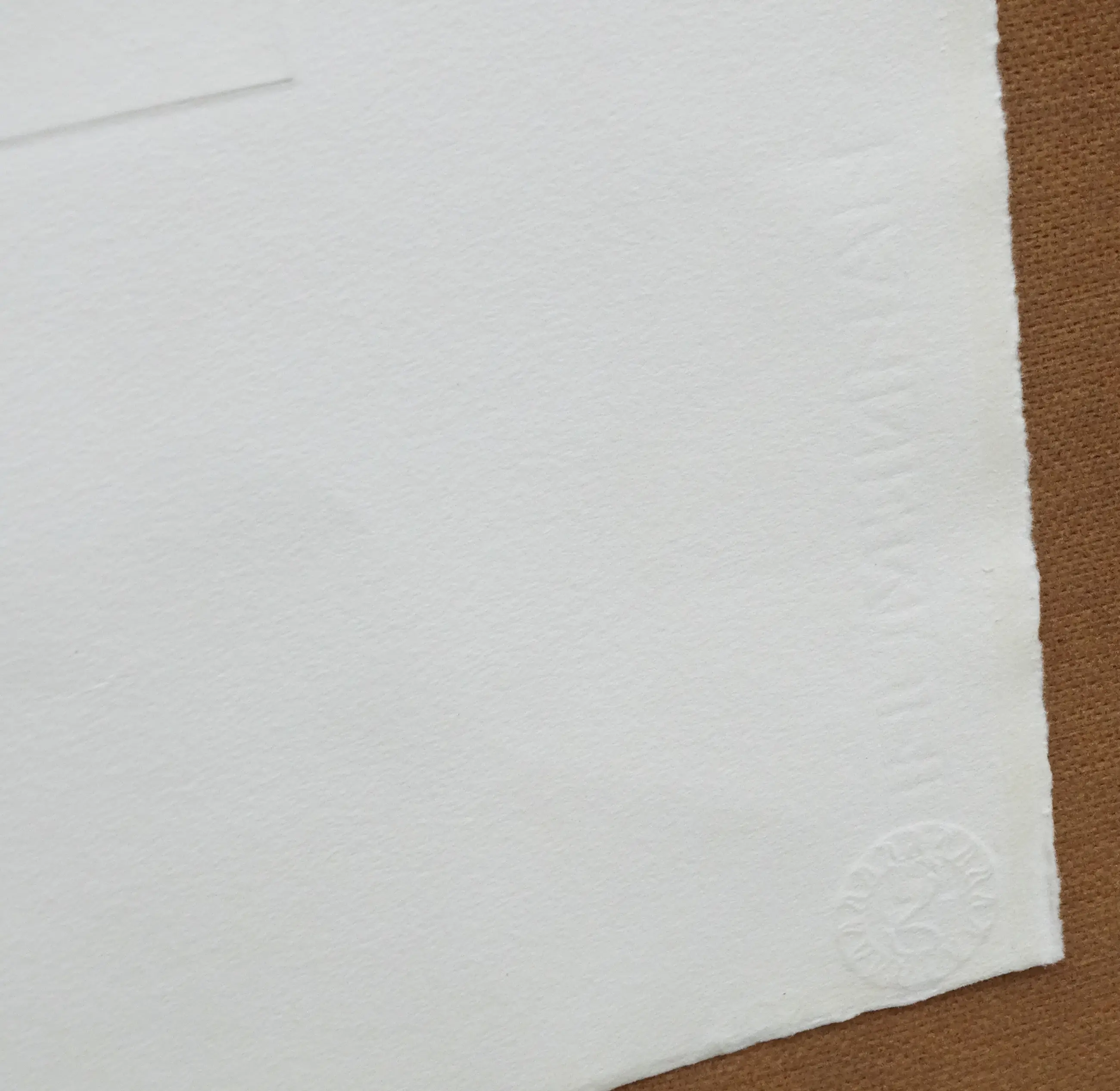
Dimensions of the etching plate: 28.8 x 20 Sheet dimensions: 53.5 x 39 cm. The etching is in very good condition, with only minor studio marks in the wide margins. There are slight framing marks around the outermost edge of the sheet on the reverse. Insured shipping via DHL. Very careful packaging is guaranteed.
++++++++++++++++++++++++++++++++++++++++++++++++++++++++++++++++
Kurt Mühlenhaupt
Born on January 19, 1921 in Klein Ziescht, district of Jüterbog-Luckenwalde
Died on April 16, 2006 in Zehdenick, district of Bergsdorf
Painter, sculptor and Writer He became known as a Kreuzberg milieu painter and belonged to the Berlin Painter-Poets group, founded in 1972, a community of writers who painted, including Günter Grass, Aldona Gustas, Artur Märchen, Nepomuk Ullmann, and Wolfdietrich Schnurre. Kurt Mühlenhaupt was born during a train journey on the line from Prague to Berlin. His birth certificate lists Klein Ziescht, the nearest village at the time of his birth, as his place of birth. The family lived in an allotment garden in Berlin-Tempelhof. Even as a child, he painted animals for his friends and, by the age of twelve, already aspired to become a painter. After completing his schooling and an apprenticeship as a model maker, he trained as a paratrooper and was initially deployed to Narvik, Norway. During a parachute jump over Crete, a bullet wounded his left wrist, leaving it permanently stiff. During his hospital stays, he continued to paint. Consequently, in 1943, he began studying art in Berlin. After another war wound, he attended the private art school of the West for a year, which he left after several disappointments and a mental breakdown. In the last year of the war, Mühlenhaupt was drafted again as a "cripple" and survived his deployment only by sheer luck; his left heel bone was shattered. He struggled to process his experiences during the Second World War, which burdened him physically and mentally for the rest of his life. In 1994, an old war wound flared up again, confining him to bed for two years. From 1946 to 1948, he studied at the Berlin University of the Arts. In 1946, he participated with great success in the "Young Generation" exhibition. His request to become a student of Karl Schmidt-Rottluff in 1948 was rejected by the latter: "You'll never be a painter, you're too gray." After the resulting mental breakdown and a long stay in a psychiatric hospital, he worked as an animal breeder, junk dealer, and organ grinder, and soon began painting again as a self-taught artist. His preferred subjects at that time were portraits of people from the working class. Disappointed by the developments in the GDR, the family moved from Berlin-Karow to Marienfelde in 1956. In 1958, he moved with his family to Kreuzberg. In the junk shop and restaurant business, he found plenty of inspiration for new paintings that were simply "typical of Kreuzberg." As a social painter, he was often compared to Otto Nagel and Heinrich Zille. In 1960, he participated in the Great Berlin Art Exhibition for the first time, which made his name known beyond the borders of Kreuzberg. In 1961, he founded the artists' café "Leierkasten" in Kreuzberg. This café, located on the corner of Baruther and Zossener Streets opposite the cemeteries at Hallesches Tor, was frequented not only by the aforementioned artists but also by Günter Bruno Fuchs, Natias Neutert, Robert Wolfgang Schnell, and Artur Märchen. With his move in 1970 to his new studio at Chamissoplatz 8, he was finally able to live solely from his painting. Stylistically, his works range from naive art to expressionism. In 1975, Kurt Mühlenhaupt bought a former farm in Kladow, a southwestern district of Berlin, with a more rural, village-like character. Here he set up his studio and lived and worked until his move to Bergsdorf-Zehdenick (near Oranienburg). Kurt Mühlenhaupt also appeared in two films by Ulrich Schamoni: In Quartett im Bett (Quartet in Bed) from 1968 (with Ingo Insterburg and Karl Dall) and together with his brother in the film Mein Bruder Willi (My Brother Willi) (1972/1973). His ceramic and sculptural works are still evident today in his "Dudu Dwarfs" and the "Fire Brigade Fountain" (1981) on Mariannenplatz in Kreuzberg. As early as the 1970s, Mühlenhaupt made excursions into the Berlin area. He was particularly captivated by the landscape along the upper Havel River with its expansive fields, meadows, and roads. After the fall of the Berlin Wall, he and his wife, Hannelore, renovated an old manor house in Bergsdorf near Zehdenick, which he used as his new home, studio, gallery, and event venue. The Kurt Mühlenhaupt Museum was located there until the summer of 2019. His autobiography, planned for eleven volumes (corresponding to the number of letters in his name), was one he was unable to complete. It ended in 2004 with Volume X (P), which contains his travel experiences between 1970 and 1989. Since July 2020, the museum has been located on Fidicinstraße in Berlin-Kreuzberg. After the death of Willi Mühlenhaupt (1907–1977), who was buried in the Bohemian Lutheran Bethlehem Cemetery in Kreuzberg, Kurt Mühlenhaupt began designing a memorial there in 1978 for his brother, himself, and other family members, who were to find their final resting place there. Originally, it consisted of four stainless steel steles with mounted enamel images. After the portraits were stolen in the mid-1980s, Mühlenhaupt designed four concrete steles with colored portraits in a naive style as replacements. The inscriptions refer in the upper section to those actually buried here, and below to other family members who rest elsewhere. Kurt Mühlenhaupt died in 2006 at the age of 85 in Zehdenick. He was buried in the grave site he himself designed in the cemetery of the Bethlehem parish (cemeteries outside the Halle Gate). By decision of the Berlin Senate, Kurt Mühlenhaupt's final resting place has been designated an honorary grave of the State of Berlin since 2018. The designation is initially valid for the usual period of twenty years, but can subsequently be extended.
| Condition | |||||||
| Condition | Very good | ||||||
| Shipment | |||||||
| Pick up | The work can be picked up on location. As a buyer you must bring your own packaging materials. The location is: Bremen, Germany | ||||||
| Shipment | Parcel post | ||||||
| Price | Up to 5 kg.
| ||||||
| Guarantee | |||||||
| Guarantee | By putting the item up for auction, I agree with the Terms of Guarantee as they are applicable at Kunstveiling regarding the accuracy of the description of the item | ||||||
| Consumer law | This seller has indicated that they are a private seller. Therefore, consumer law does not apply. Read more | ||||||
The seller takes full responsibility for this item. Kunstveiling only provides the platform to facilitate this transaction, which has to be settled directly with the seller. More information .