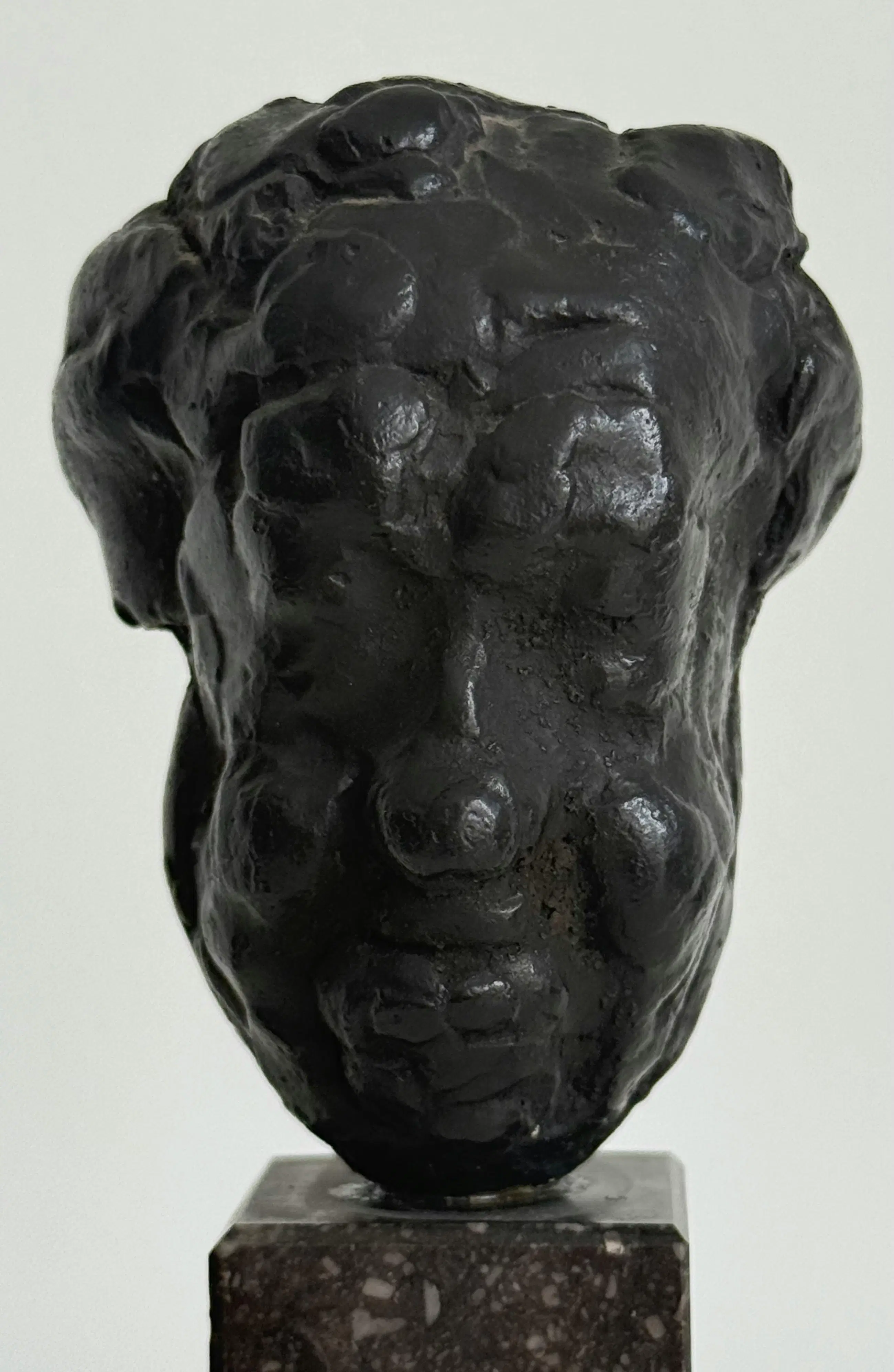
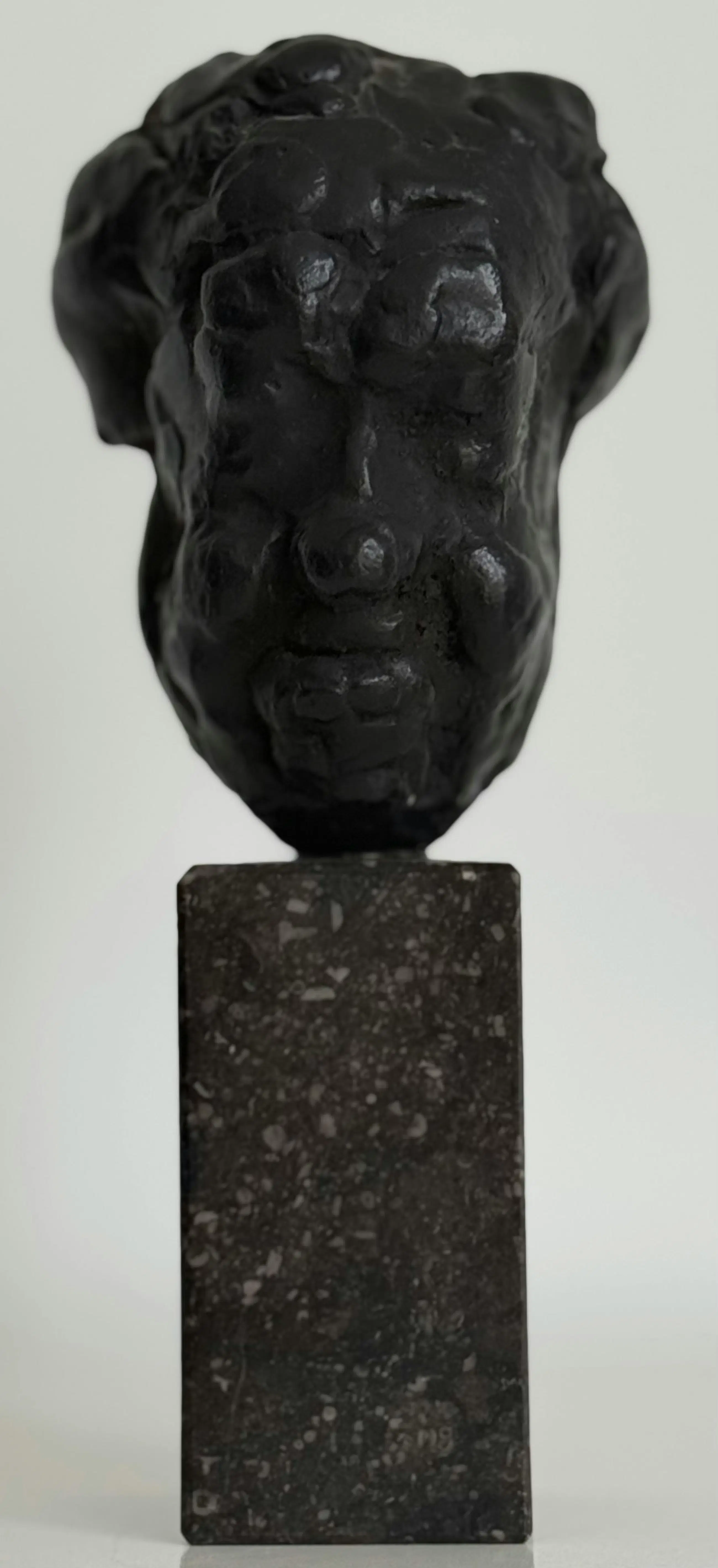
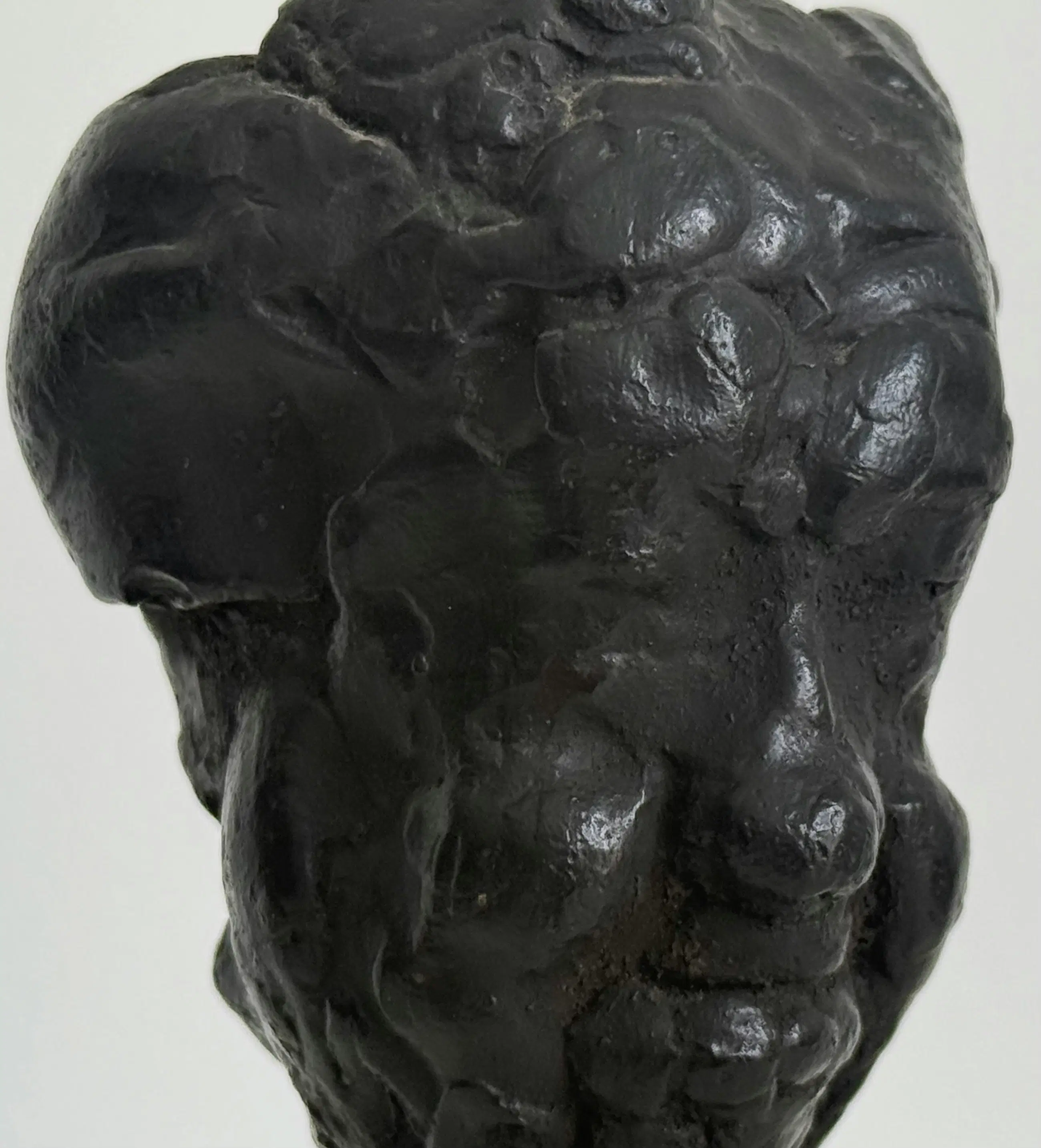
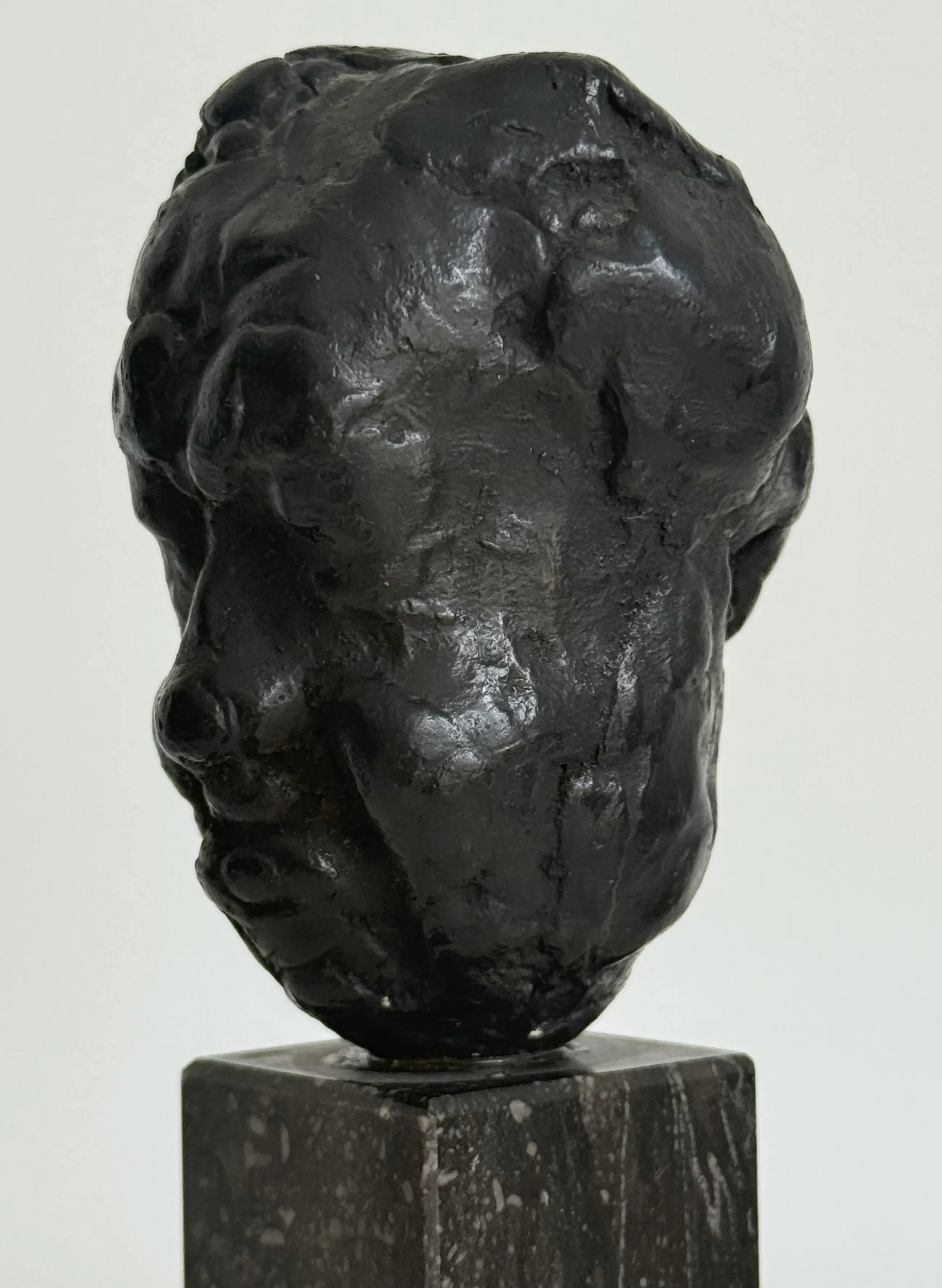
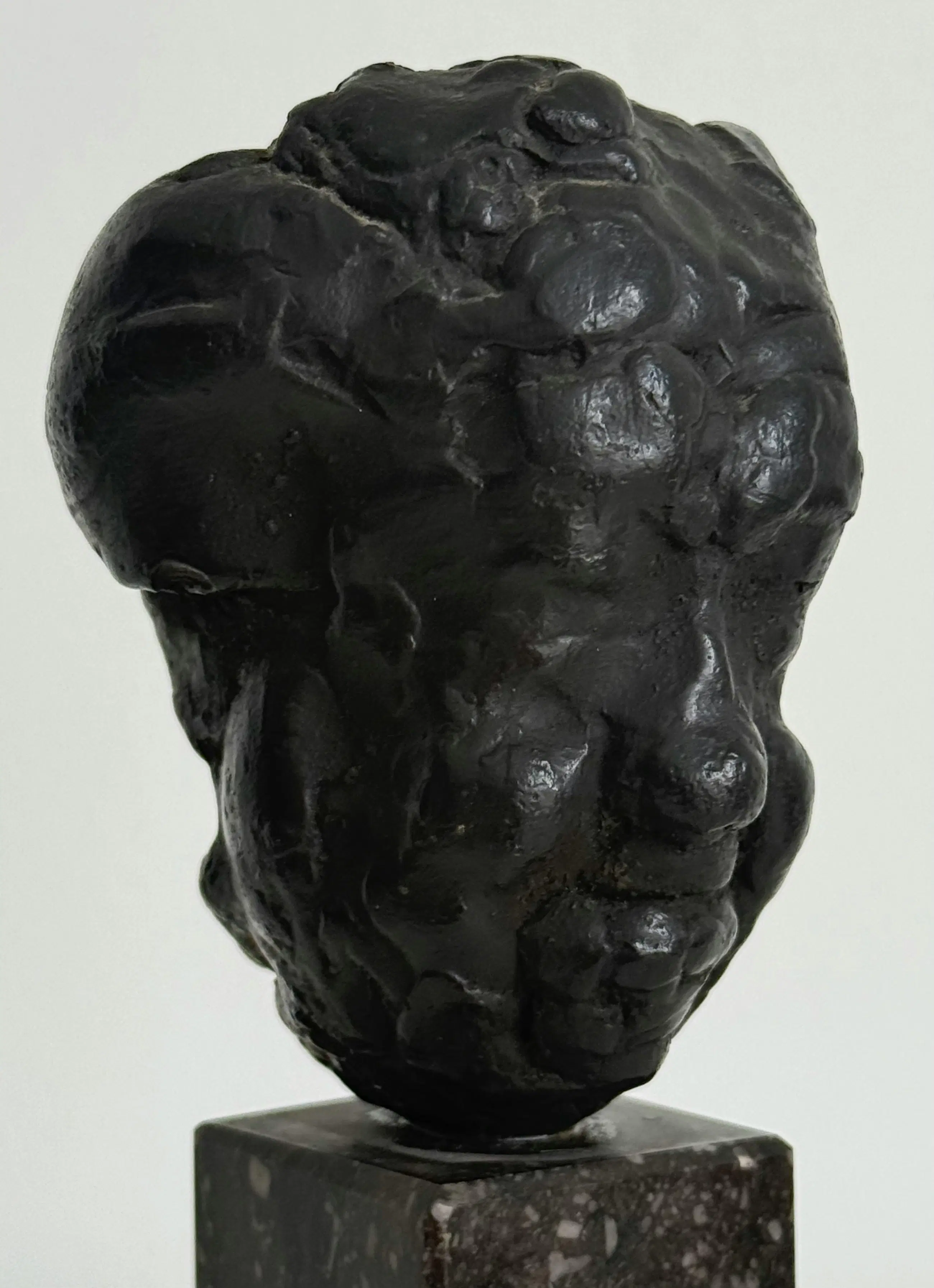
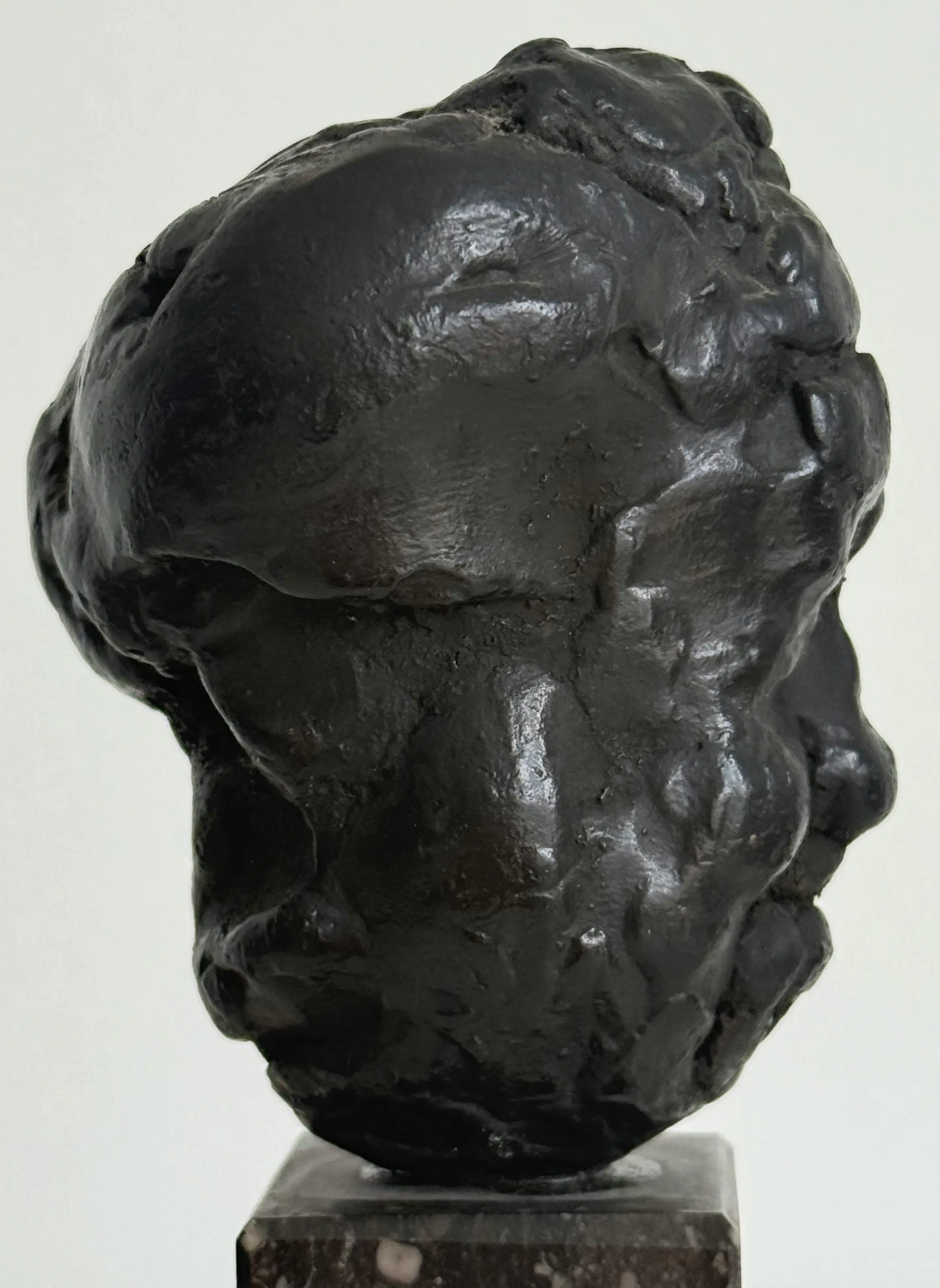
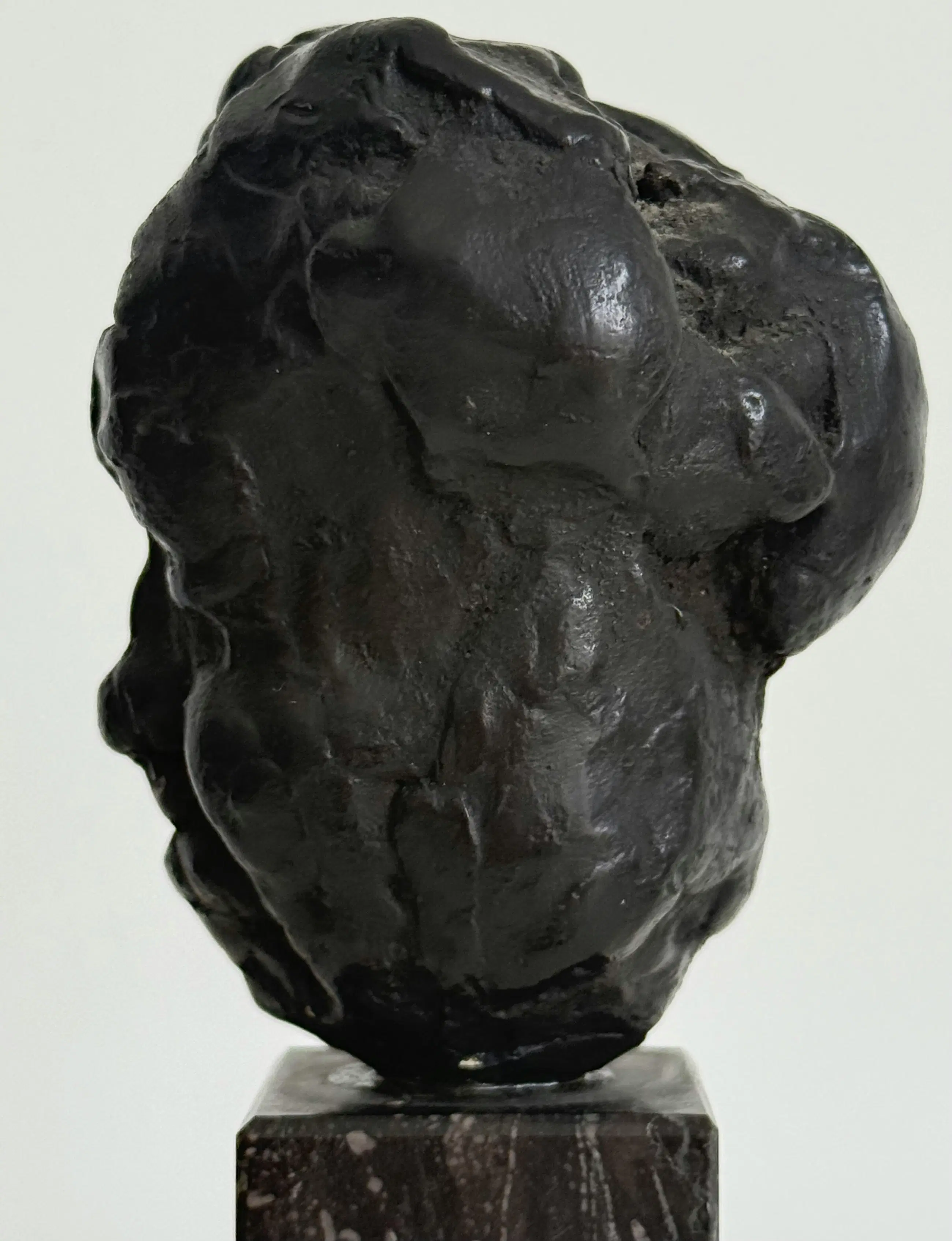
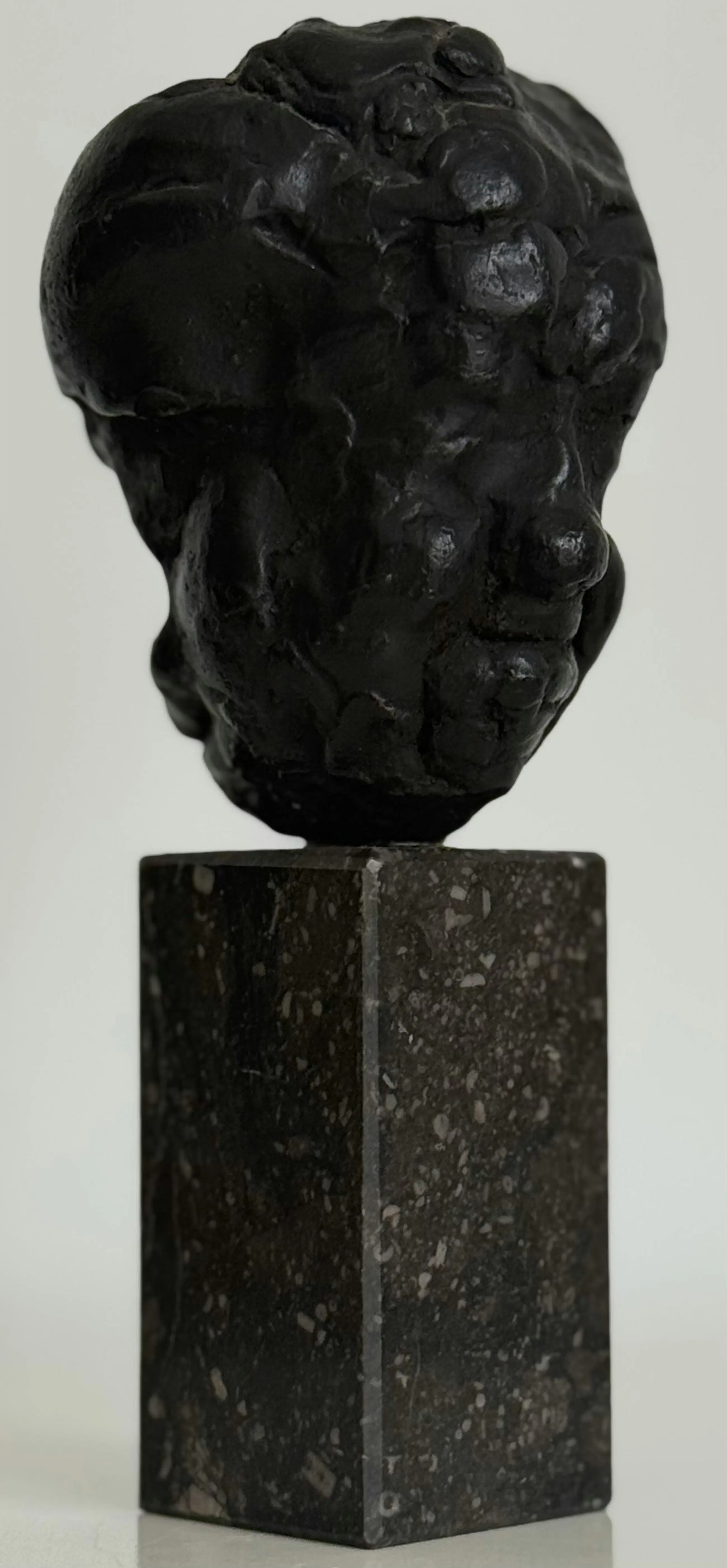
Pieter d' Hont - Bronze sculpture | 'Michel Simon' | 1967
Auction details
| Start time | 14-6-2026 at 13:40 |
| End time | 29-6-2026 at 20:07 |
Starting bid €750
Buyer's premium : 15%
Missed the auction? The item may still be available. You can make one single bid in the aftersale.
| Pick up | Yes, possible |
| Location | Woudrichem, The Netherlands |
J
JJvanWijk The Netherlands
2015 | |
1327 sold | 68 followers |
- Description
- Pieter d' Hont (1917-1997)
| Type of artwork | Sculpture / Object |
| Year | 1967 |
| Technique | Bronze |
| Dimensions | 16 x 7 x 7 cm (h x w x d) |
| Signed | Unsigned |
Translated with Google Translate. Original text show .
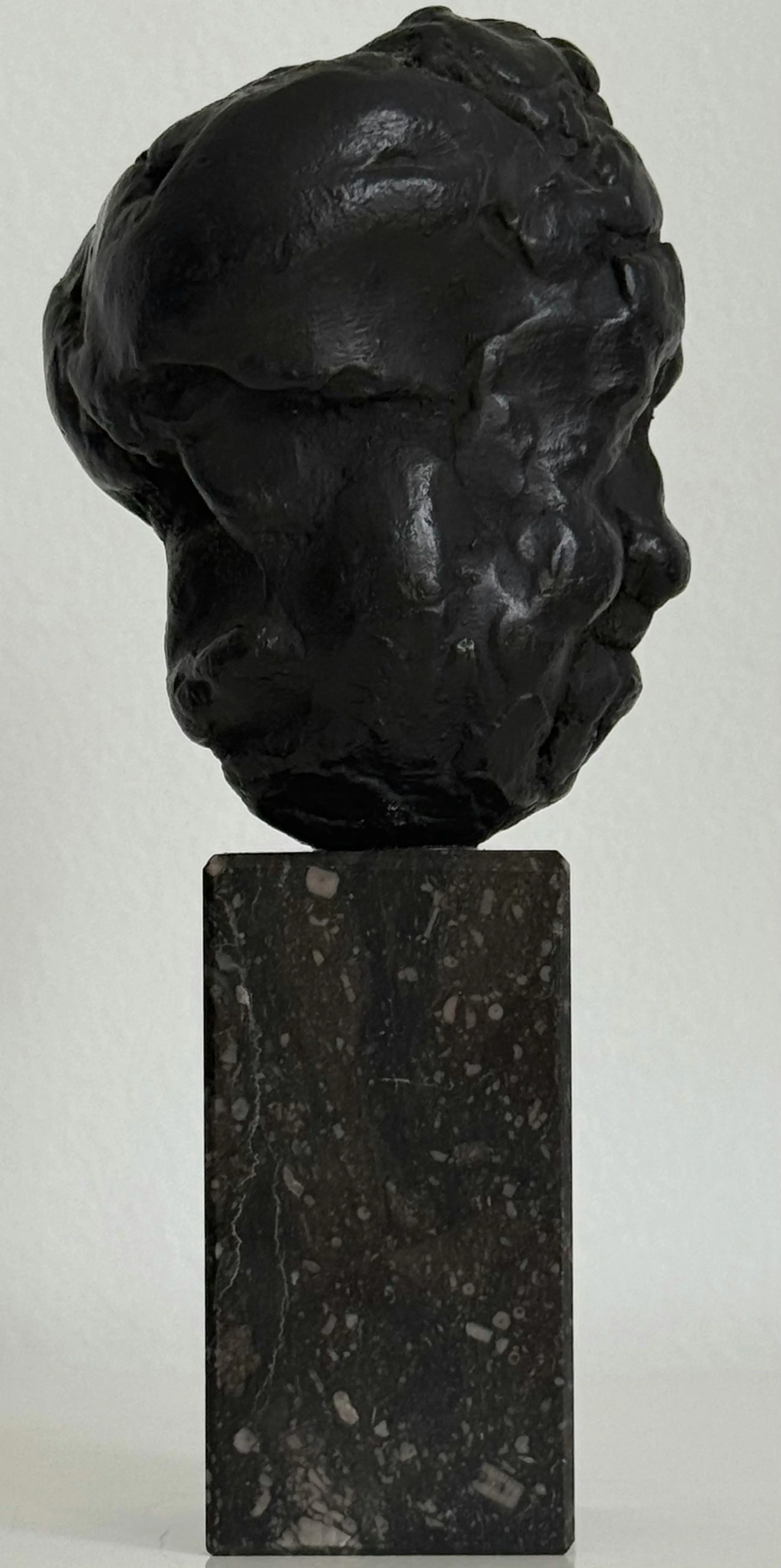
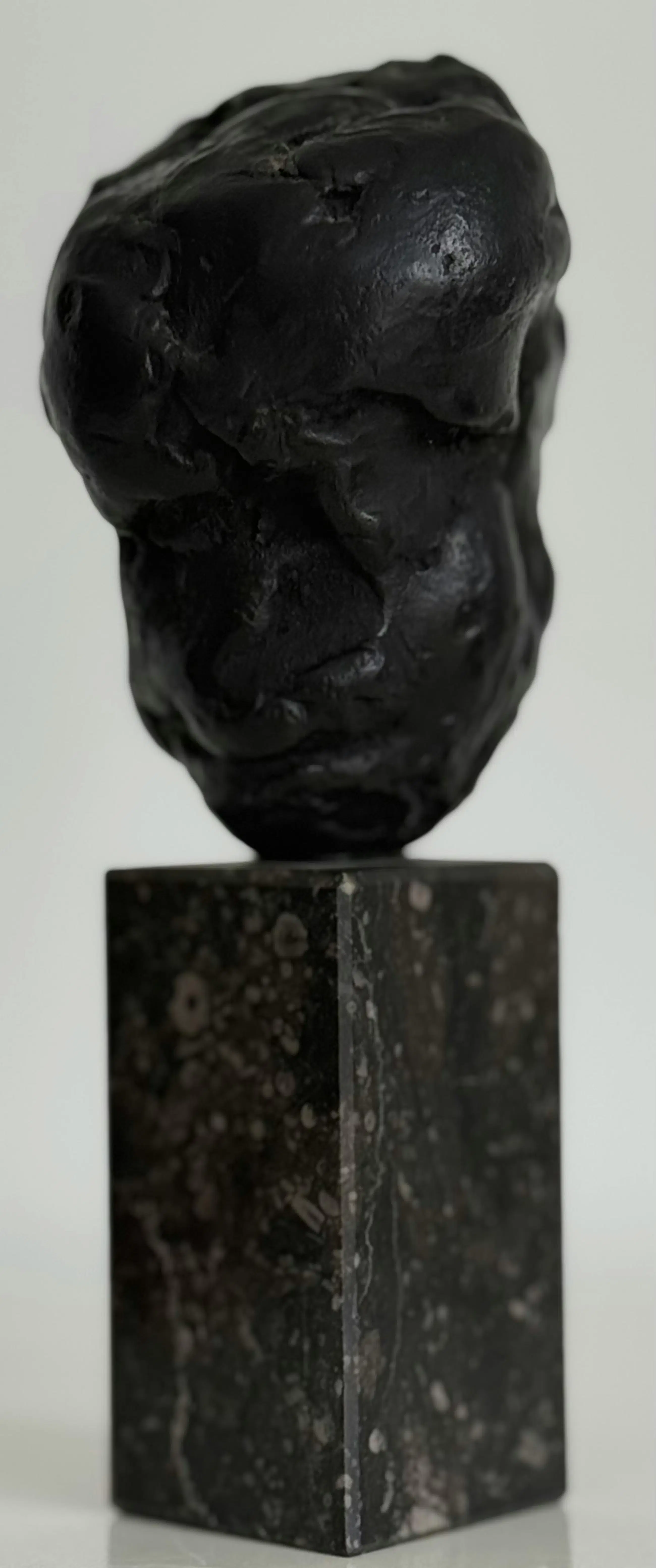
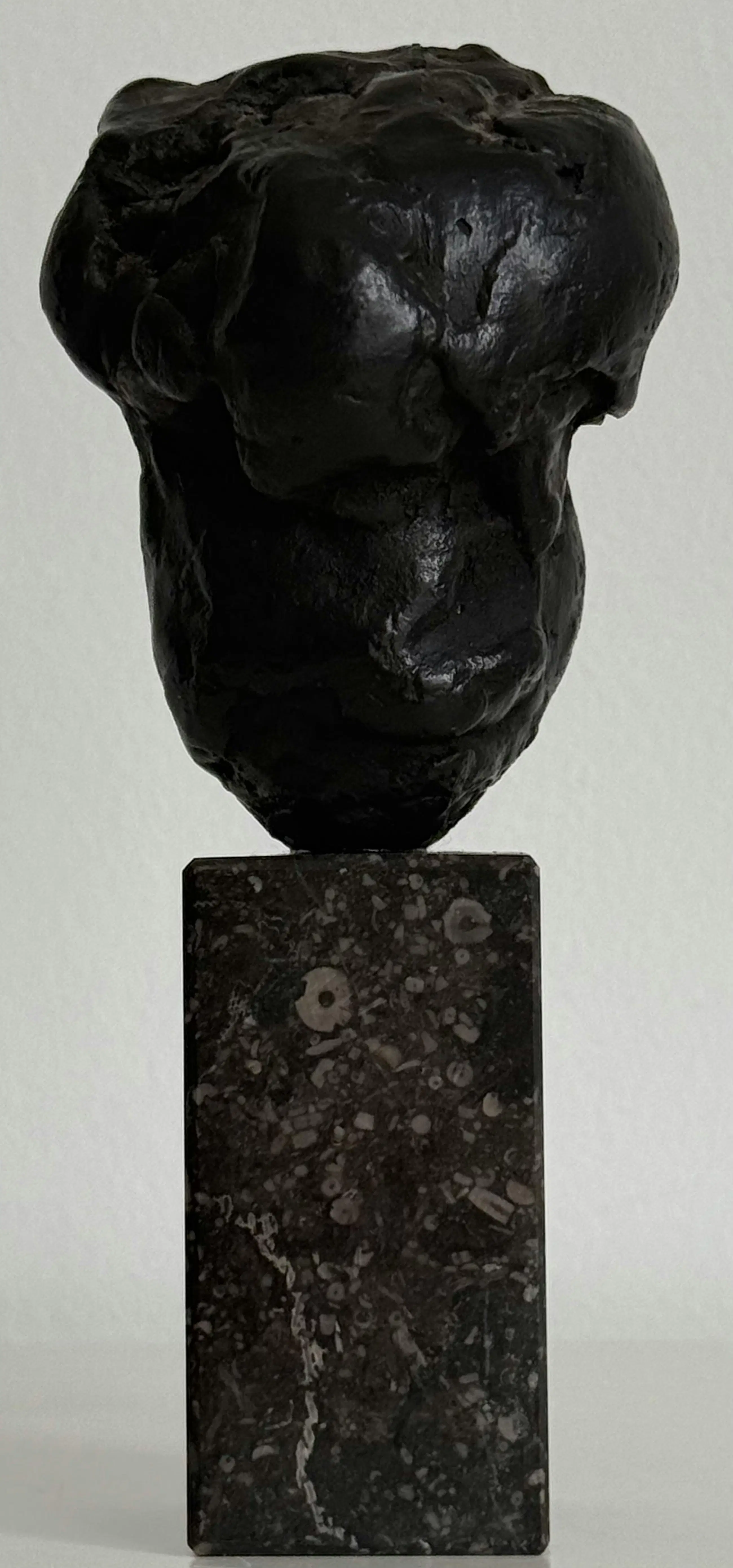
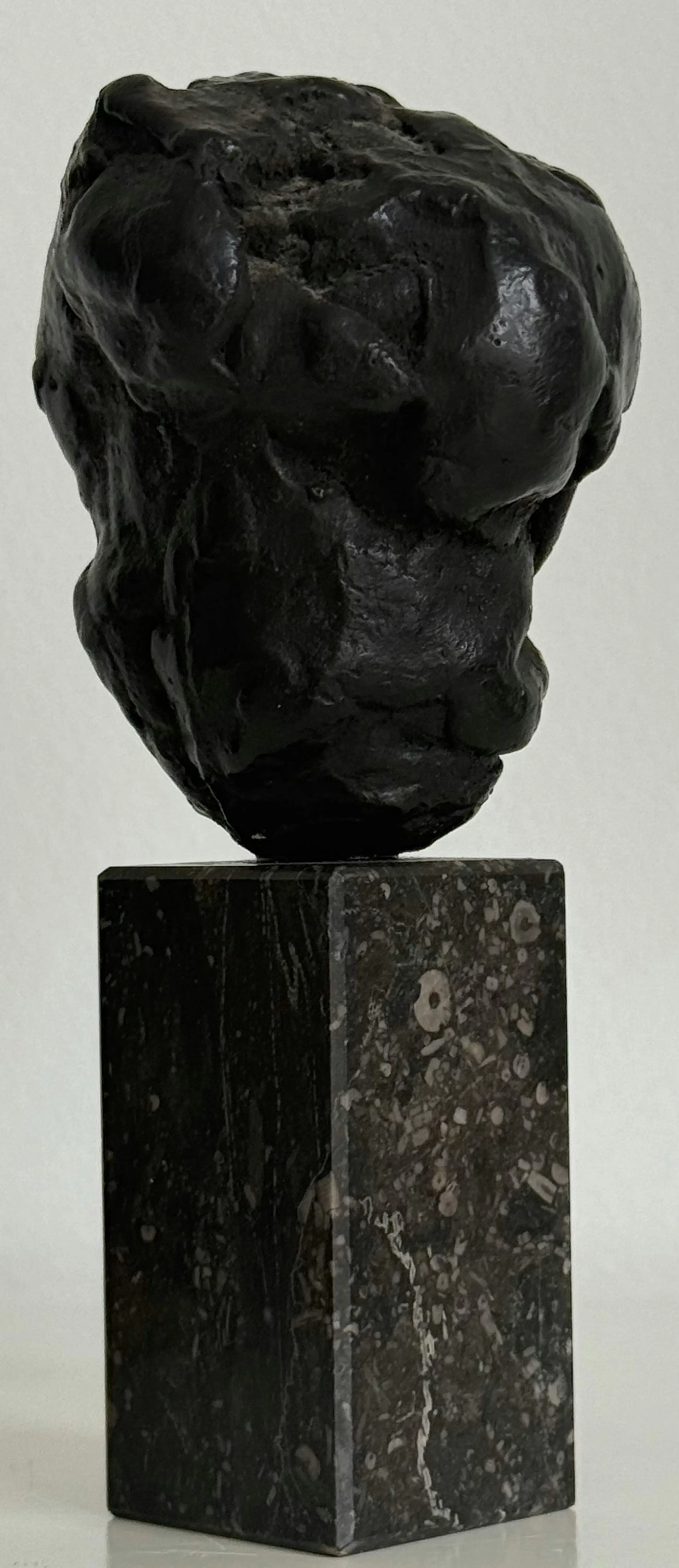
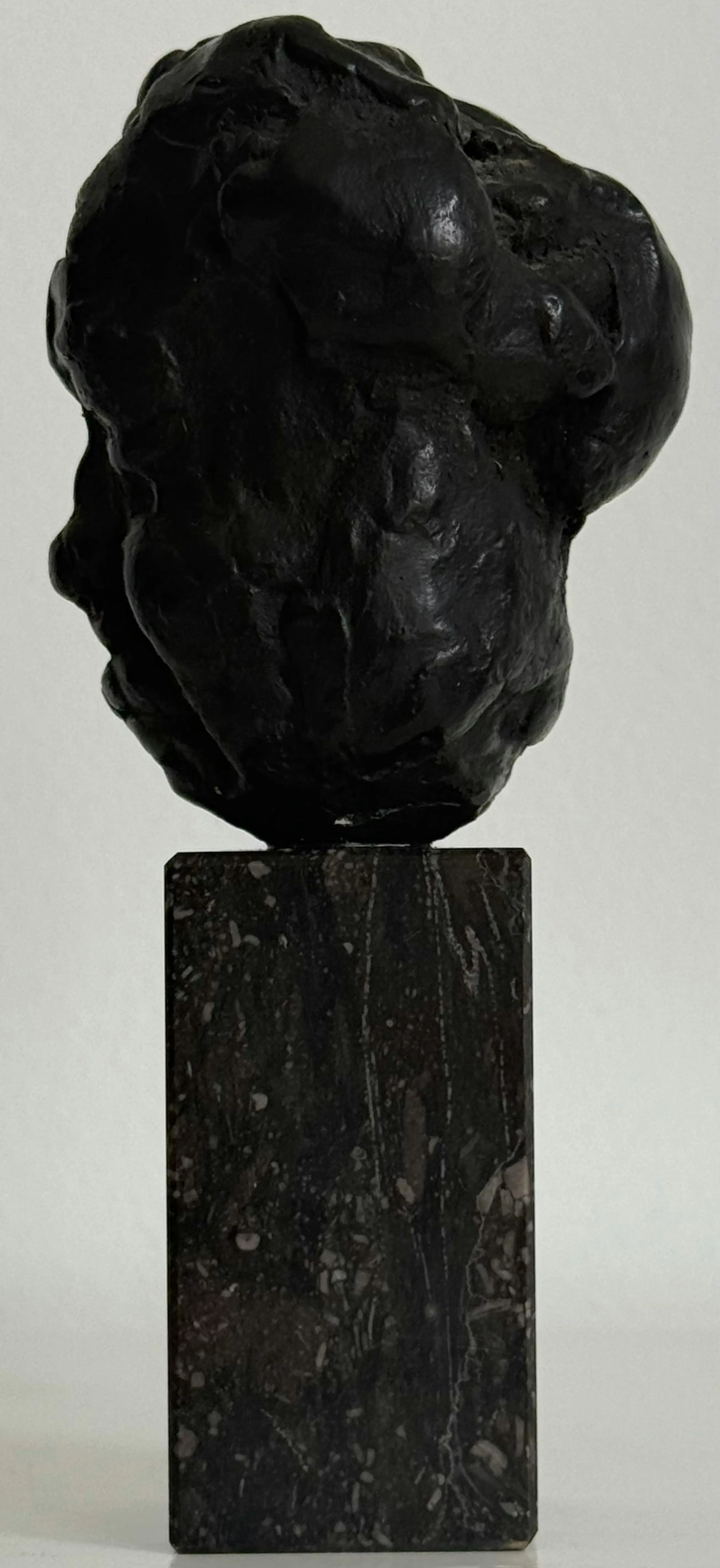
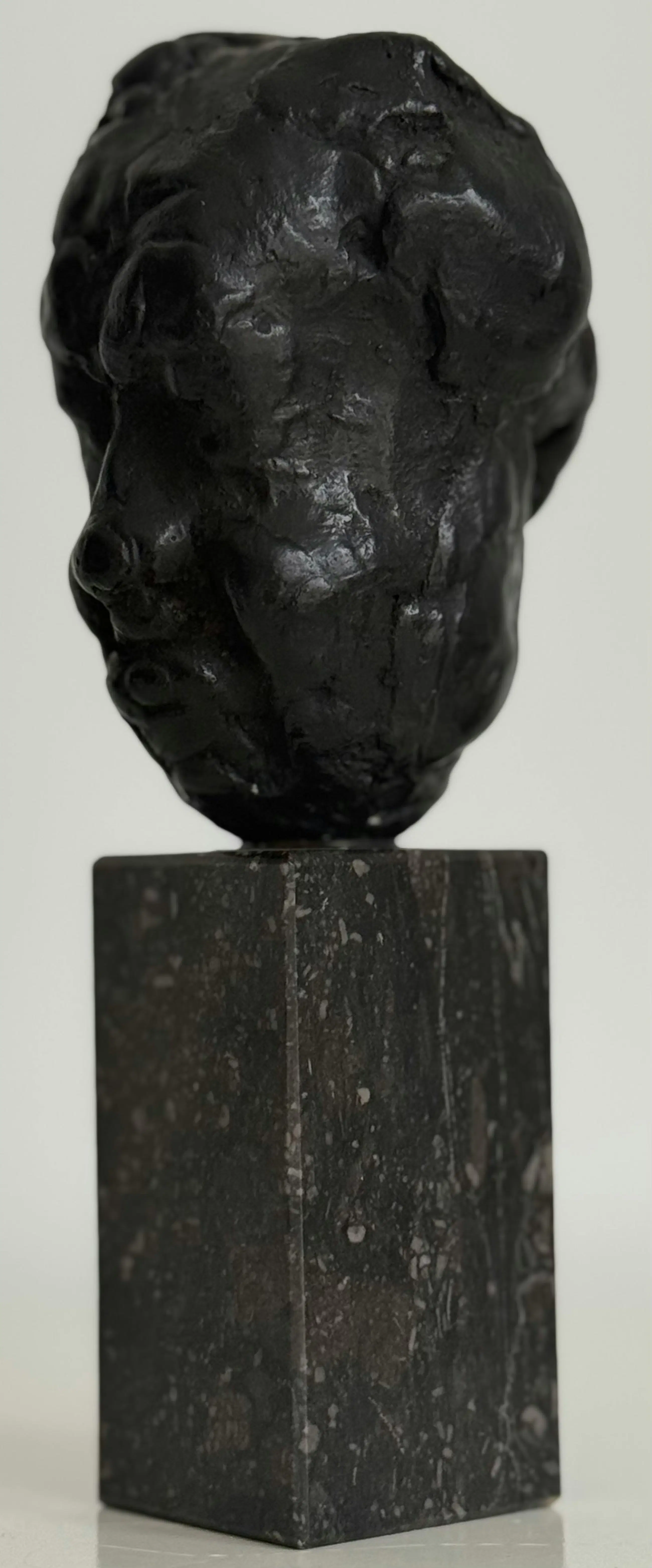
Fantastic portrait of the French actor Michel Simon, by Pieter d'Hont.
Pieter d'Hont demonstrates his unparalleled artistry with this small bronze portrait, popularly known as "The Potato Head." Roughly executed, as we've come to expect from him, yet very subtle in both presence and expression.
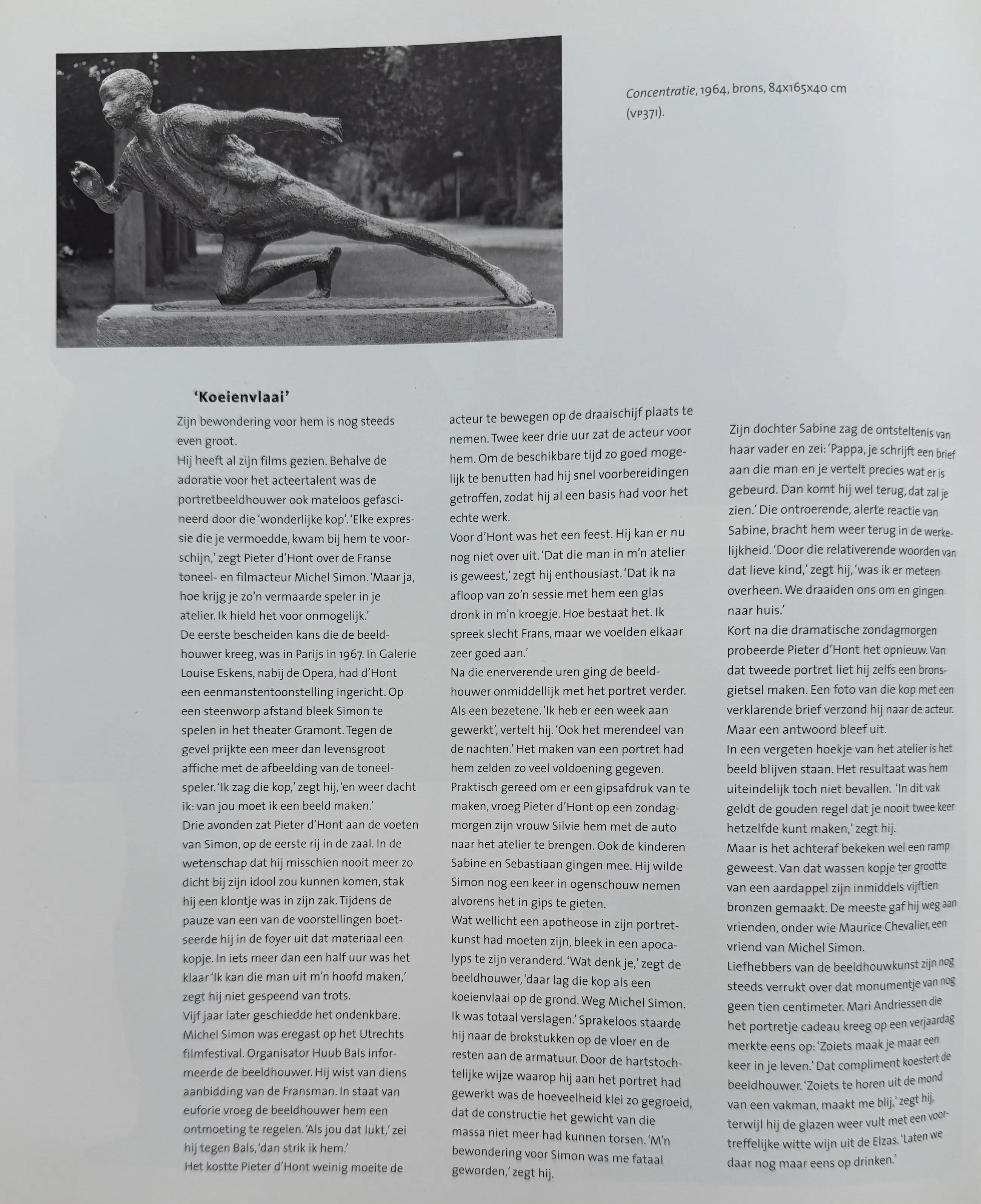
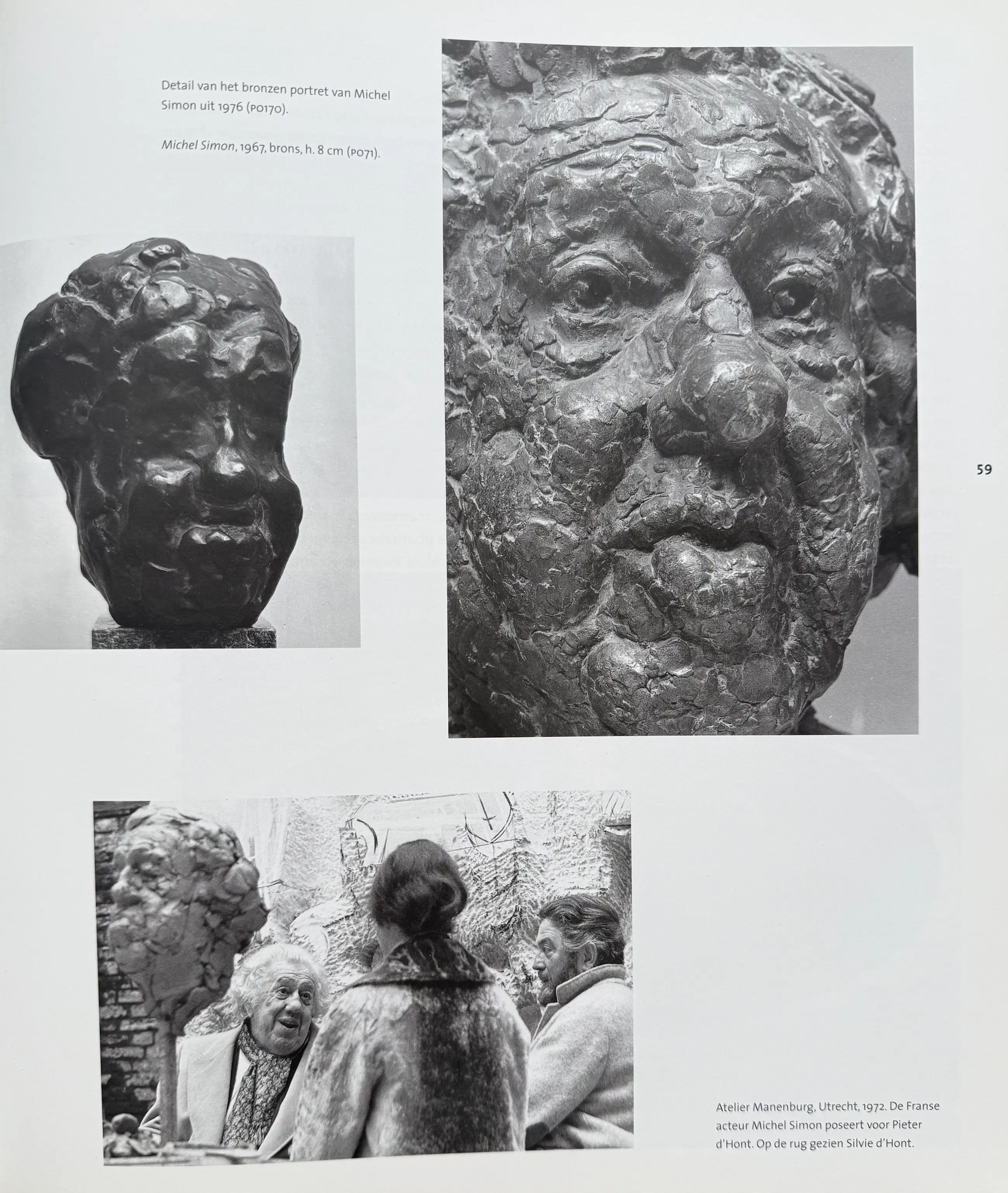
The statue is described in detail in Pieter d'Hont's oeuvre catalogue; see the last two photos. Be sure to take the time to read that text.
His admiration for him remains as great as ever. He's seen all his films. Besides his adoration for the acting talent, the portrait sculptor was also endlessly fascinated by that "wonderful face." "Every expression you could imagine appeared in him," says Pieter d'Hont of the French stage and film actor Michel Simon. "But how do you get such a renowned actor into your studio? I thought it was impossible."
The sculptor's first modest opportunity came in Paris in 1967. At the Galerie Louise Eskens, near the Opera, d'Hont had organized a one-man exhibition. It turned out Simon was performing at the Gramont Theatre just a stone's throw away. A larger-than-life poster featuring the actor adorned the façade. "I saw that face," he says, "and I thought again: I have to make a sculpture of you."
For three evenings, Pieter d'Hont sat at Simon's feet in the front row of the auditorium. Knowing he might never get so close to his idol again, he pocketed a lump of wax. During the intermission of one of the performances, he sculpted a head from the wax in the foyer. It took him just over half an hour to complete. "I can make that man from memory," he says, brimming with pride.
Five years later, the unthinkable happened. Michel Simon was guest of honor at the Utrecht Film Festival. Organizer Huub Bals informed the sculptor. He knew of Simon's adoration of the Frenchman. In a state of euphoria, the sculptor asked him to arrange a meeting. "If you can do it," he told Bals, "I'll get him."
Pieter d'Hont had little trouble getting the actor to sit on the turntable. The actor sat in front of him for two sets of three hours. To make the most of the available time, he had made quick preparations so he already had a foundation for the real thing.
For d'Hont, it was a real treat. He still can't believe it. "That that man came to my studio," he says enthusiastically. "That I had a drink with him in my pub after a session like that. How is that possible? I don't speak French very well, but we connected really well."
After those exhilarating hours, the sculptor immediately resumed work on the portrait. Like a madman. "I worked on it for a week," he says. "Most of the nights, too." Rarely had creating a portrait given him so much satisfaction.
Practically ready to make a plaster cast, Pieter d'Hont asked his wife Silvie to drive him to the studio one Sunday morning. Their children, Sabine and Sebastiaan, also came along. He wanted to examine Simon one last time before casting it in plaster.
What should perhaps have been an apotheosis in his portraiture turned into an apocalypse. "Guess what?" says the sculptor, "there lay that head on the floor like a cow pat. Gone, Michel Simon. I was utterly devastated." Speechless, he stared at the rubble on the floor and the remains of the armature. Due to the passionate way he had worked on the portrait, the clay had grown so much that the structure could no longer support the weight of that mass. "My admiration for Simon was fatal," he says.
His daughter Sabine saw her father's distress and said, "Daddy, write a letter to that man and tell him exactly what happened. Then he'll come back, you'll see." Sabine's moving, alert reaction brought him back to reality. "Those words of that sweet child," he says, "put it into perspective, and I was over it immediately. We turned around and went home."
Shortly after that dramatic Sunday morning, Pieter d'Hont tried again. He even had a bronze cast made of that second portrait. He sent a photo of that head with an explanatory letter to the actor. But no reply was forthcoming.
The sculpture remained in a forgotten corner of the studio. Ultimately, he wasn't happy with the result. "In this profession, the golden rule is that you can never make the same thing twice," he says.
But in retrospect, it was a disaster. Fifteen bronzes have since been made from that wax head the size of a potato. He gave most of them away to friends, including Maurice Chevalier, a friend of Michel Simon.
Sculpture enthusiasts are still enchanted by this small monument, barely four inches tall. Mari Andriessen, who received the portrait as a birthday gift, once remarked: "You only make something like that once in a lifetime." The sculptor cherishes that compliment. "Hearing something like that from a craftsman makes me happy," he says, refilling the glasses with an excellent white wine from Alsace. "Let's drink to that." (source: Pieter d'Hont Life and Work)
The dimensions include the bluestone base. The whole is in excellent condition.
Pieter d'Hont demonstrates his unparalleled artistry with this small bronze portrait, popularly known as "The Potato Head." Roughly executed, as we've come to expect from him, yet very subtle in both presence and expression.
The statue is described in detail in Pieter d'Hont's oeuvre catalogue; see the last two photos. Be sure to take the time to read that text.
His admiration for him remains as great as ever. He's seen all his films. Besides his adoration for the acting talent, the portrait sculptor was also endlessly fascinated by that "wonderful face." "Every expression you could imagine appeared in him," says Pieter d'Hont of the French stage and film actor Michel Simon. "But how do you get such a renowned actor into your studio? I thought it was impossible."
The sculptor's first modest opportunity came in Paris in 1967. At the Galerie Louise Eskens, near the Opera, d'Hont had organized a one-man exhibition. It turned out Simon was performing at the Gramont Theatre just a stone's throw away. A larger-than-life poster featuring the actor adorned the façade. "I saw that face," he says, "and I thought again: I have to make a sculpture of you."
For three evenings, Pieter d'Hont sat at Simon's feet in the front row of the auditorium. Knowing he might never get so close to his idol again, he pocketed a lump of wax. During the intermission of one of the performances, he sculpted a head from the wax in the foyer. It took him just over half an hour to complete. "I can make that man from memory," he says, brimming with pride.
Five years later, the unthinkable happened. Michel Simon was guest of honor at the Utrecht Film Festival. Organizer Huub Bals informed the sculptor. He knew of Simon's adoration of the Frenchman. In a state of euphoria, the sculptor asked him to arrange a meeting. "If you can do it," he told Bals, "I'll get him."
Pieter d'Hont had little trouble getting the actor to sit on the turntable. The actor sat in front of him for two sets of three hours. To make the most of the available time, he had made quick preparations so he already had a foundation for the real thing.
For d'Hont, it was a real treat. He still can't believe it. "That that man came to my studio," he says enthusiastically. "That I had a drink with him in my pub after a session like that. How is that possible? I don't speak French very well, but we connected really well."
After those exhilarating hours, the sculptor immediately resumed work on the portrait. Like a madman. "I worked on it for a week," he says. "Most of the nights, too." Rarely had creating a portrait given him so much satisfaction.
Practically ready to make a plaster cast, Pieter d'Hont asked his wife Silvie to drive him to the studio one Sunday morning. Their children, Sabine and Sebastiaan, also came along. He wanted to examine Simon one last time before casting it in plaster.
What should perhaps have been an apotheosis in his portraiture turned into an apocalypse. "Guess what?" says the sculptor, "there lay that head on the floor like a cow pat. Gone, Michel Simon. I was utterly devastated." Speechless, he stared at the rubble on the floor and the remains of the armature. Due to the passionate way he had worked on the portrait, the clay had grown so much that the structure could no longer support the weight of that mass. "My admiration for Simon was fatal," he says.
His daughter Sabine saw her father's distress and said, "Daddy, write a letter to that man and tell him exactly what happened. Then he'll come back, you'll see." Sabine's moving, alert reaction brought him back to reality. "Those words of that sweet child," he says, "put it into perspective, and I was over it immediately. We turned around and went home."
Shortly after that dramatic Sunday morning, Pieter d'Hont tried again. He even had a bronze cast made of that second portrait. He sent a photo of that head with an explanatory letter to the actor. But no reply was forthcoming.
The sculpture remained in a forgotten corner of the studio. Ultimately, he wasn't happy with the result. "In this profession, the golden rule is that you can never make the same thing twice," he says.
But in retrospect, it was a disaster. Fifteen bronzes have since been made from that wax head the size of a potato. He gave most of them away to friends, including Maurice Chevalier, a friend of Michel Simon.
Sculpture enthusiasts are still enchanted by this small monument, barely four inches tall. Mari Andriessen, who received the portrait as a birthday gift, once remarked: "You only make something like that once in a lifetime." The sculptor cherishes that compliment. "Hearing something like that from a craftsman makes me happy," he says, refilling the glasses with an excellent white wine from Alsace. "Let's drink to that." (source: Pieter d'Hont Life and Work)
The dimensions include the bluestone base. The whole is in excellent condition.
| Condition | |||||||||||
| Condition | Very good | ||||||||||
| Shipment | |||||||||||
| Pick up | The work can be picked up on location. As a buyer you must bring your own packaging materials. The location is: Woudrichem, The Netherlands | ||||||||||
| Shipment | Parcel post | ||||||||||
| Price | Up to 10 kg.
| ||||||||||
| Guarantee | |||||||||||
| Guarantee | By putting the item up for auction, I agree with the Terms of Guarantee as they are applicable at Kunstveiling regarding the accuracy of the description of the item | ||||||||||
| Consumer law | Business seller. Consumer law applies to a business seller. Read more | ||||||||||
The seller takes full responsibility for this item. Kunstveiling only provides the platform to facilitate this transaction, which has to be settled directly with the seller. More information .
Pieter d' Hont (1917-1997)
 Dutch
Dutch J
JJvanWijk The Netherlands
2015 | |
1327 sold | 68 followers |
Bronze 19671945 to 1999 Bronnerschool Arti et Amicitiae Kring van Beeldhouwers Beroepsvereniging Kunstenaars Landelijk Kunstenaars Genootschap De Ploegh
7
16
7