Benin - 200927 - Old Fon mami wata Statue from Benin - Nigeria - Verkocht
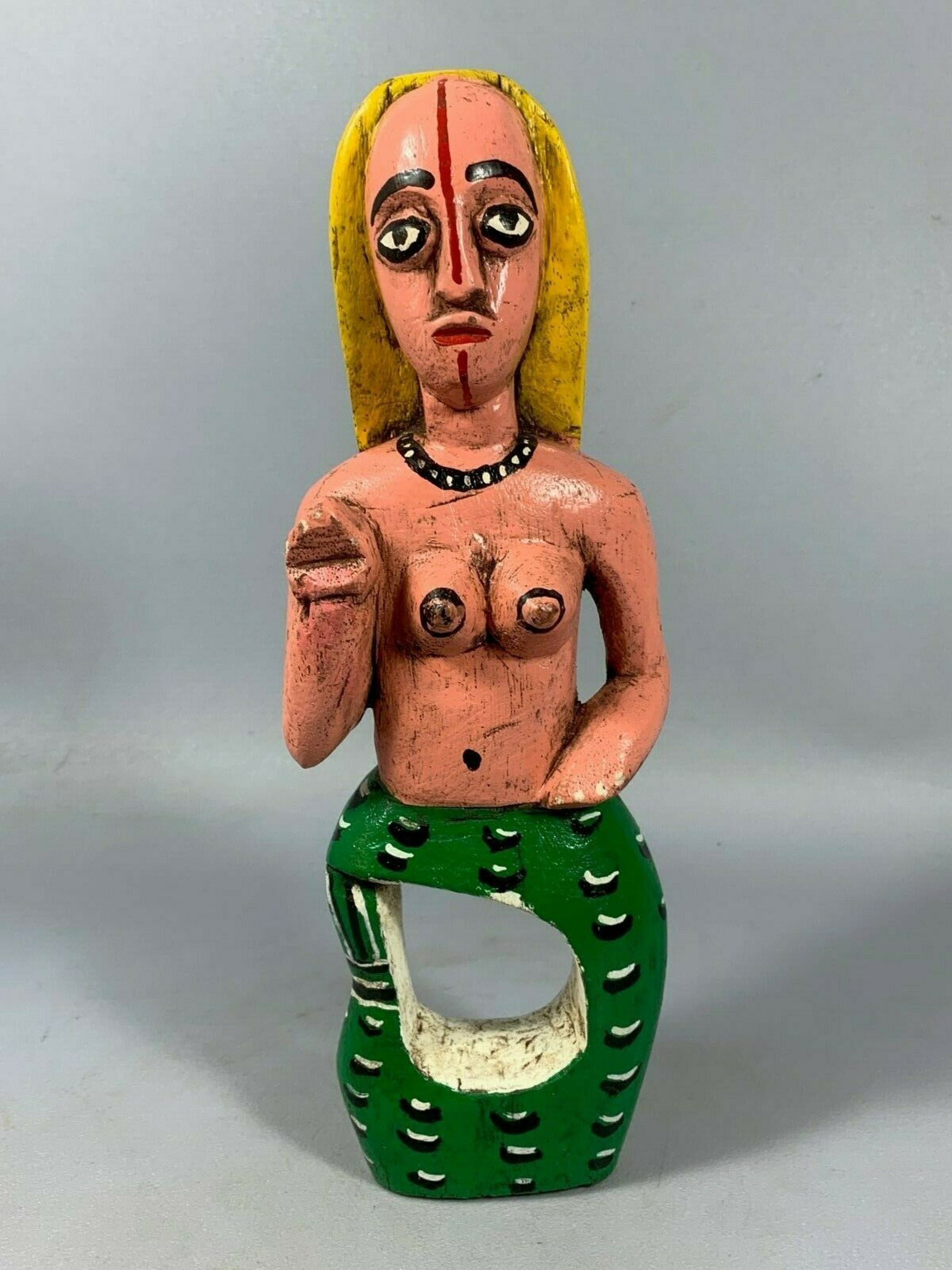
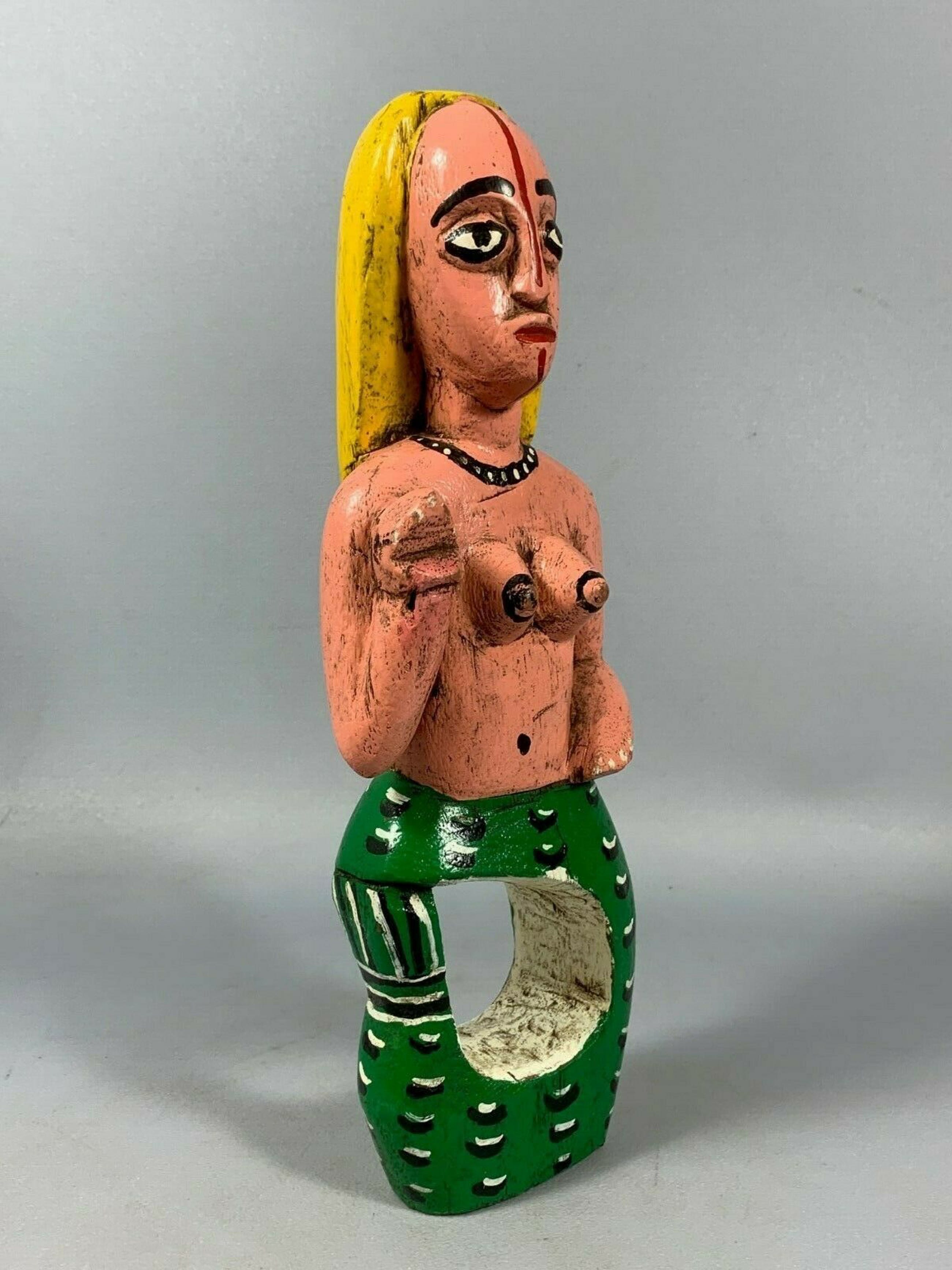
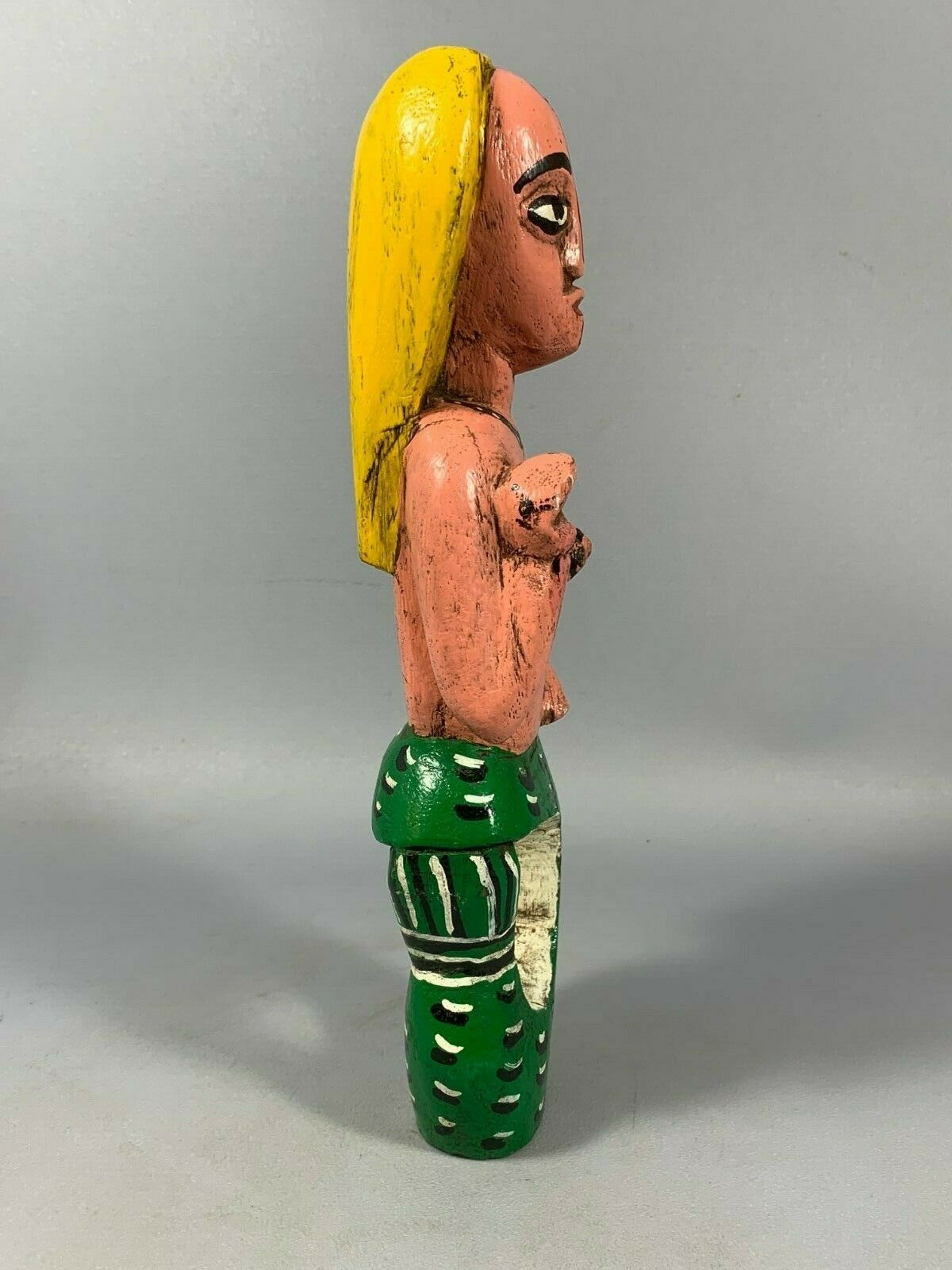
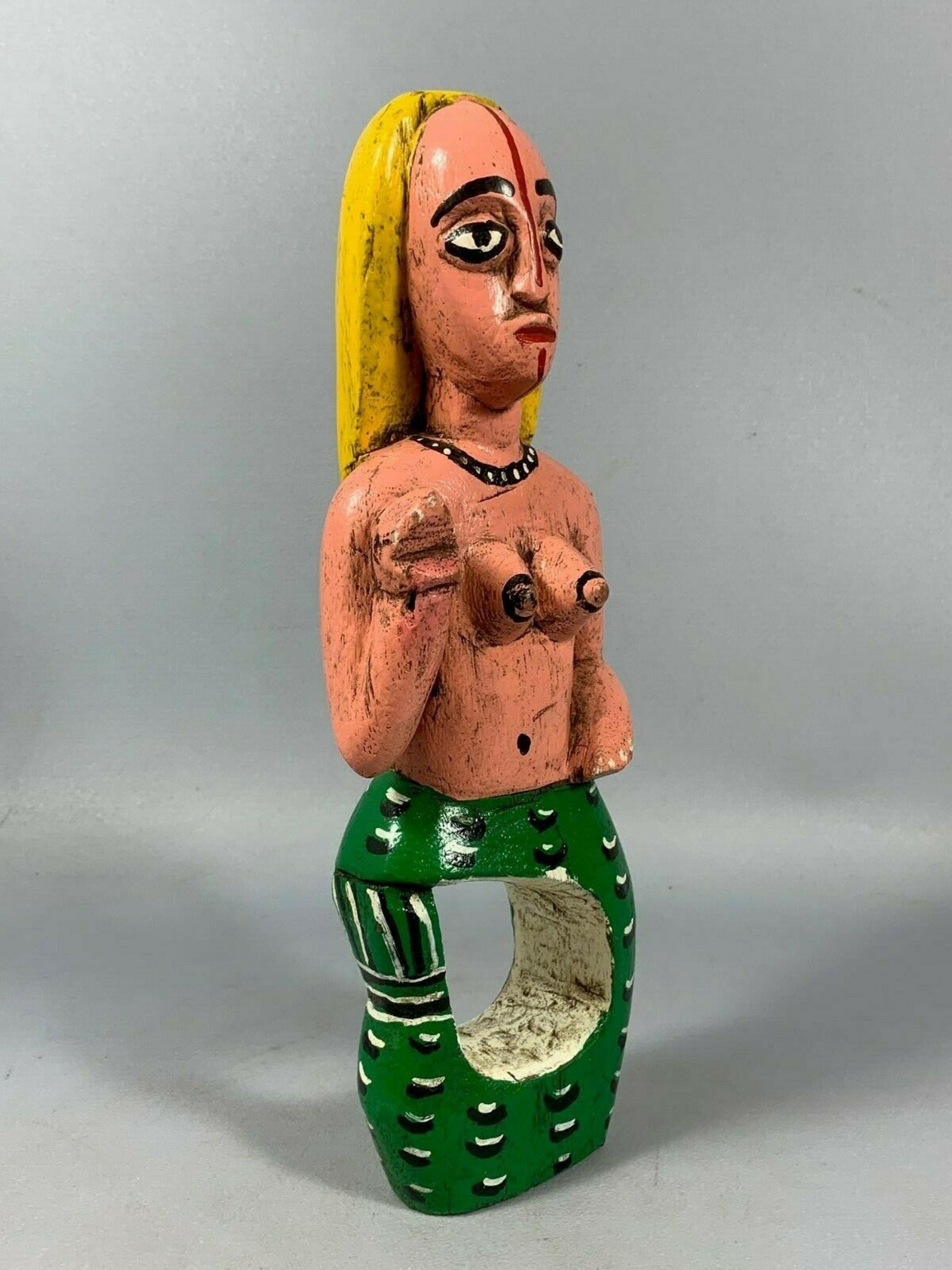
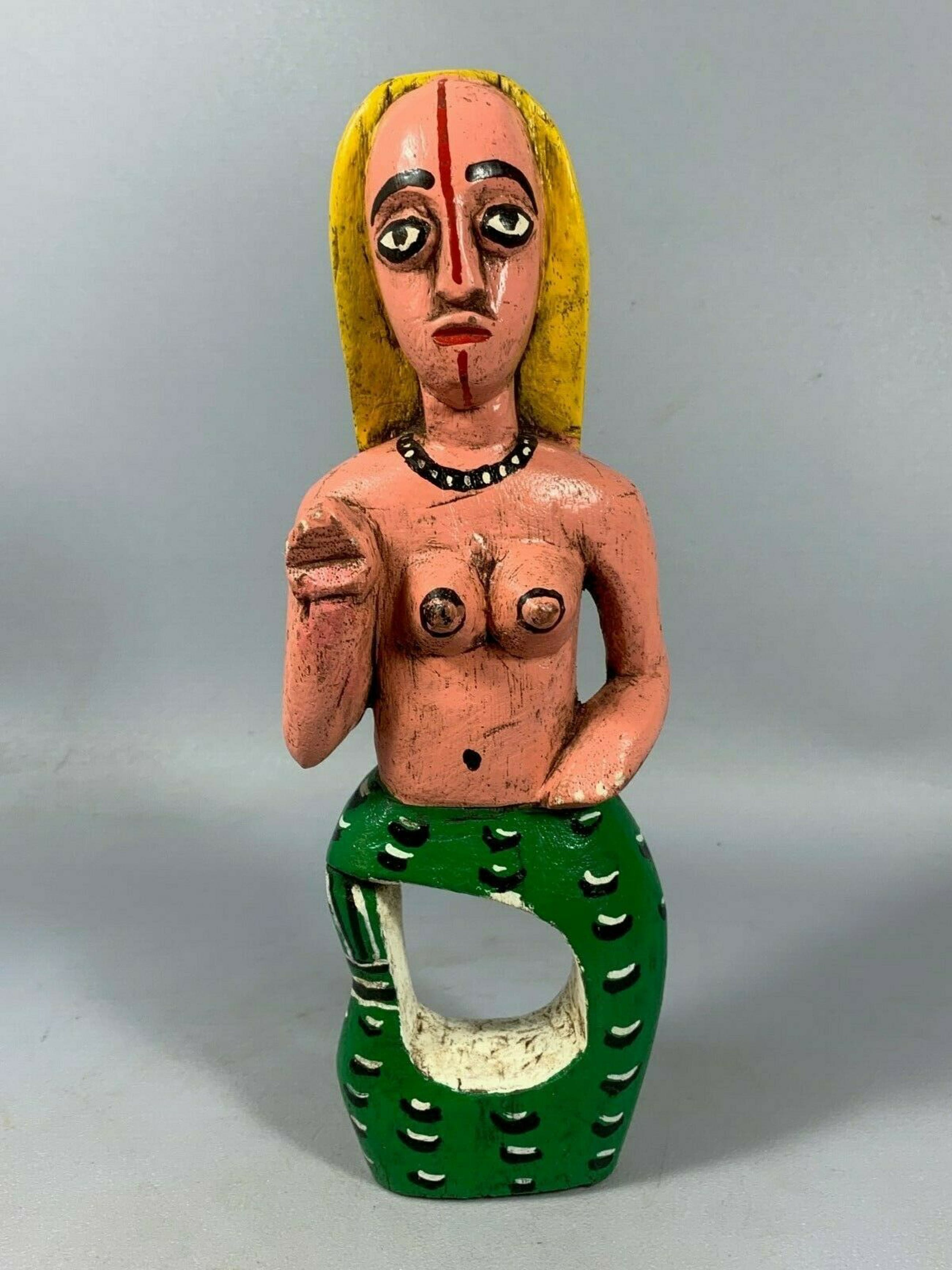
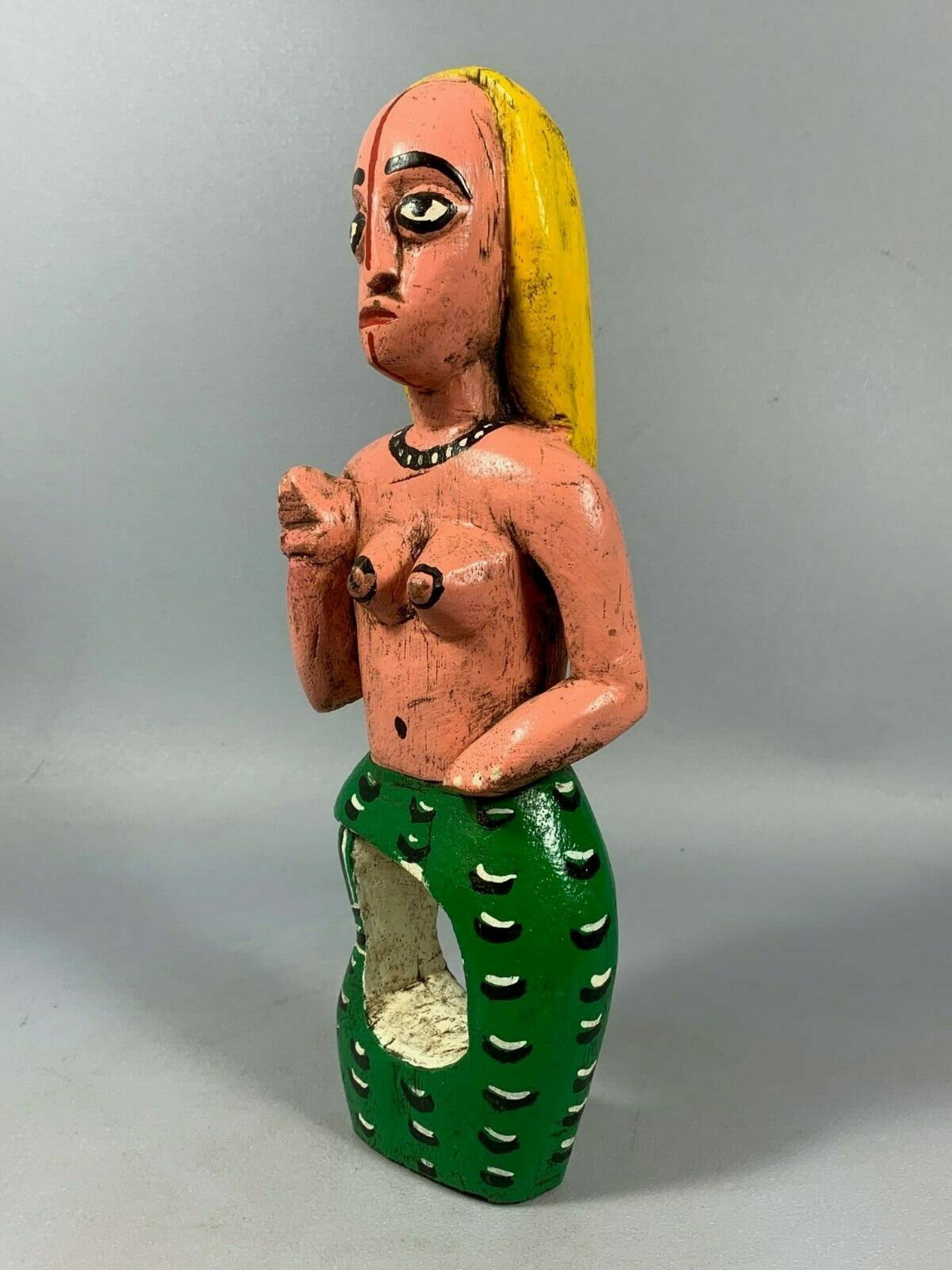
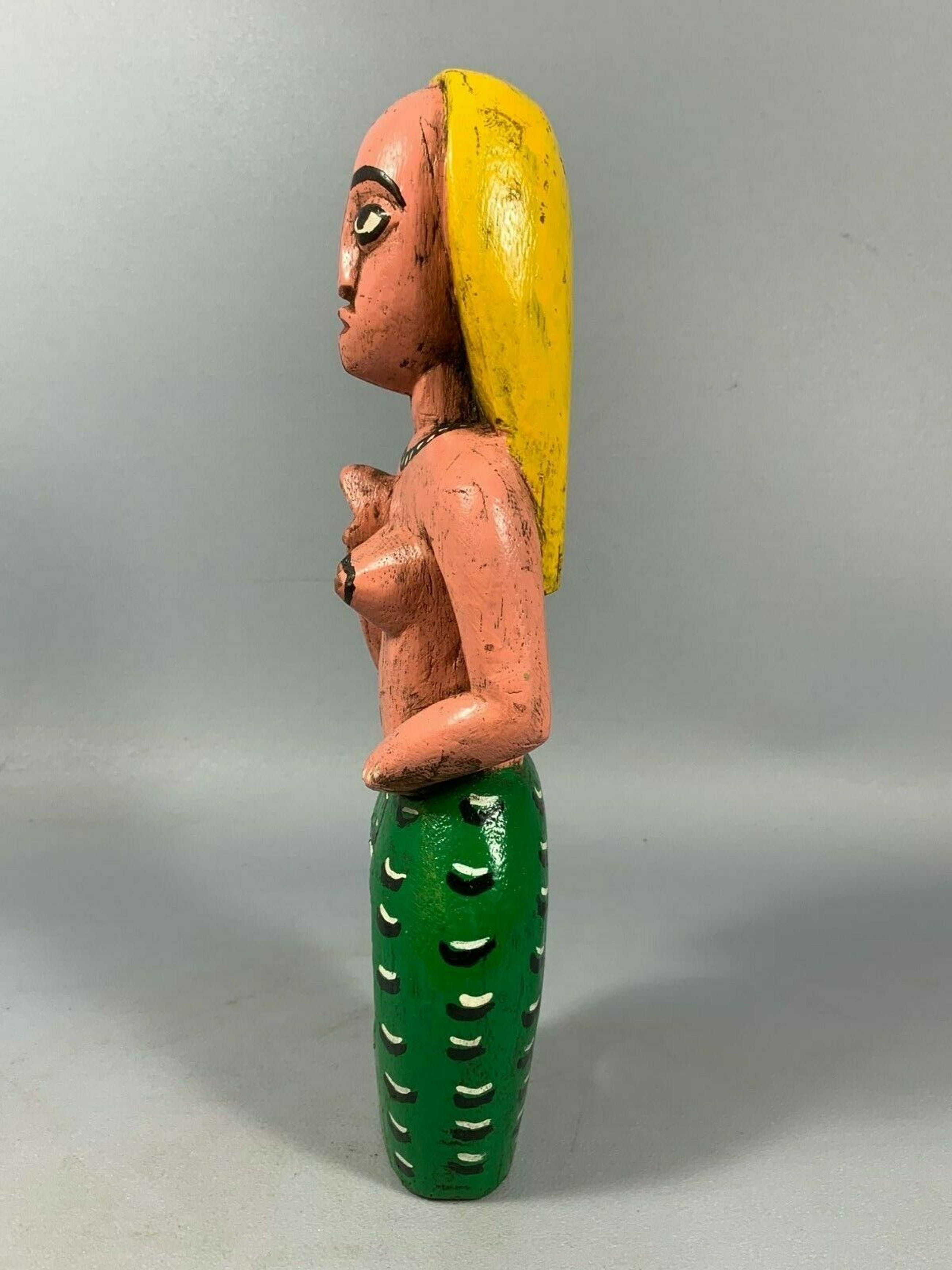
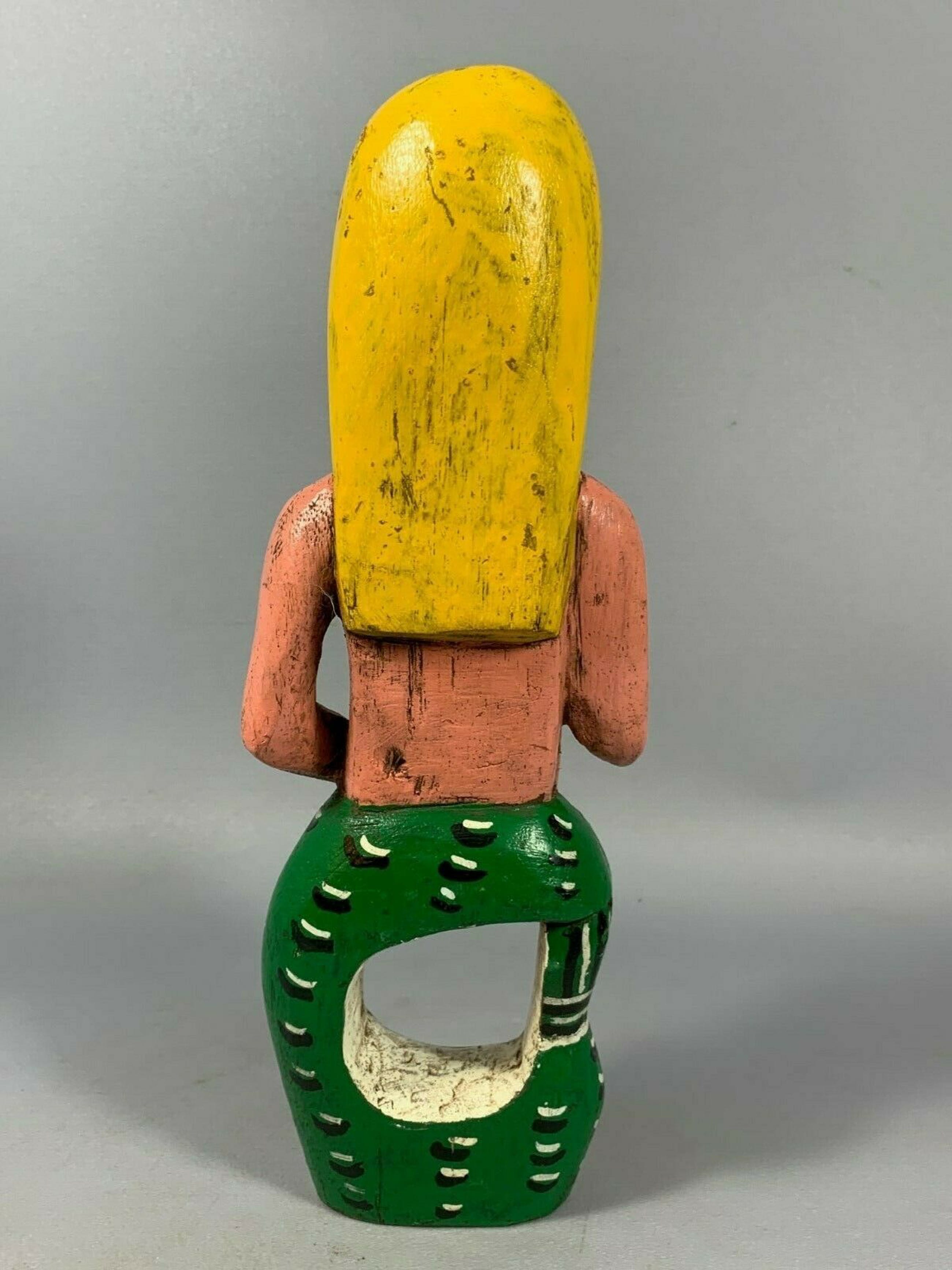
- Omschrijving
- Benin
| Type kunstwerk | Etnografica |
| Periode | 1945 t/m 1999 |
| Techniek | Hout |
| Stijl | Afrikaans |
| Onderwerp | Figuur |
| Afmetingen | 30 x 15 x 10 cm (h x b x d) |
Nigeria: Old Fon Mami Wata Statue from Nigeria.
Height: 30 cm.
Taxatiewaarde: 150 - 200 euro.
The Fon people, also called Fon nu, Agadja or Dahomey, are a major African ethnic and linguistic group.They are the largest ethnic group in Benin found particularly in its south region; they are also found in southwest Nigeria and Togo. Their total population is estimated to be about 3,500,000 people, and they speak the Fon language, a member of the Gbe languages.
The history of the Fon people is linked to the Dahomey kingdom, a well-organized kingdom by the 17th century but one that shared more ancient roots with the Aja people. The Fon people traditionally were a culture of an oral tradition and had a well-developed polytheistic religious system. They were noted by early 19th-century European traders for their N'Nonmiton practice or Dahomey Amazons – which empowered their women to serve in the military, who decades later fought the French colonial forces in 1890.
Most Fon today live in villages and small towns in mud houses with corrugated iron gable roofs. Cities built by the Fon include Abomey, the historical capital city of Dahomey on what was historically referred to by Europeans as the Slave Coast. These cities became major commercial centres for the slave trade. A significant portion of the sugar plantations in the French West Indies, particularly Haiti, Dominican Republic and Trinidad, were populated with slaves that came from the Slave Coast, through the lands of Ewe and Fon people.
| Conditie | |||
| Conditie | Zeer Goed | ||
| Transport | |||
| Afhalen | Het werk is af te halen op locatie. Als koper dient u zelf verpakkingsmateriaal mee te nemen. De locatie is: Hengelo, Nederland | ||
| Verzenden | Pakketpost | ||
| Prijs | Tot 5 kg.
| ||
| Garantie | |||
| Garantie | Bij het plaatsen van het item verklaar ik mij akkoord met de garantievoorwaarden zoals deze gelden op Kunstveiling ten aanzien van een juiste omschrijving van het aangeboden item | ||
De verkoper neemt de volledige verantwoordelijkheid voor dit item. Kunstveiling biedt slechts het platform bij deze transactie, welke direct met de verkoper afgehandeld dient te worden. Meer informatie .